

Uma profile

Air Groove


Air Groove cuts a striking figure in Uma Musume: elegant, severe, and impossible to ignore. A Senior Division runner from Ritto Dorm, she carries herself with the poise of someone born to command attention, and the details only sharpen that impression: 165 cm tall, immaculate “Amazing form,” and voiced by Ruriko Aoki with the kind of presence that suits her name perfectly. Even her solo song, “EMPRESS GAME,” sounds like a declaration of rank rather than a simple performance credit.
She presents herself with cool discipline, using Watashi and addressing her mentor simply as Trainer, but Air Groove is more than a wall of authority. Her profile is studded with wonderfully revealing contradictions. She can calmly accept both culinary masterpieces and utter disasters without complaint, yet she dislikes things that suddenly flash or move. She hates insects—all of them except ladybugs—and when she wants to unwind, she turns to Chopin. Before a race, she reapplies her eyeshadow and fires herself up, a detail that makes her competitive edge feel all the more polished and deliberate.
For all her regal intensity, there is unmistakable warmth beneath the steel. She plans her mother’s birthday party a full year in advance, keeps a photo of her mother being crowned Empress as her phone background, and even uses the same tail oil as her mother. These tiny domestic details soften her formidable image without diminishing it; if anything, they make her seem more complete. Even her ears are noted to droop a little when she tends to flowers, a small, unexpectedly tender image tucked inside such a stately character.
Her circle adds even more texture. She rooms with Fine Motion, and her broader web of connections includes names like Symboli Rudolf, Narita Brian, Mejiro Dober, Daiwa Scarlet, Duramente, Kiseki, Admire Groove, and Rulership. Rival-wise, Silence Suzuka, Matikanefukukitaru, and Bubble Gum Fellow stand among the notable names attached to her. It all suits Air Groove: she feels like the kind of Uma Musume who naturally belongs in weighty company, all sharp lines, high standards, and unmistakable presence.
Sources

















Touch fallback
Air GrooveTouch and smaller layouts use grouped connection cards instead of the live radar. Open any entry to follow the relationship directly.
Same races
Same Races
12 shared rivals

Latest: ARIMA KINEN (43RD THE GRAND PRIX) · 1998-12-27

Latest: ARIMA KINEN (43RD THE GRAND PRIX) · 1998-12-27

Latest: ARIMA KINEN (43RD THE GRAND PRIX) · 1998-12-27

Latest: ARIMA KINEN (43RD THE GRAND PRIX) · 1998-12-27

Latest: TAKARAZUKA KINEN · 1998-07-12

Latest: JAPAN CUP · 1997-11-23

Latest: ARIMA KINEN (43RD THE GRAND PRIX) · 1998-12-27

Latest: ARIMA KINEN (43RD THE GRAND PRIX) · 1998-12-27

Latest: ARIMA KINEN (43RD THE GRAND PRIX) · 1998-12-27

Latest: JAPAN CUP · 1998-11-29

Latest: JAPAN CUP · 1998-11-29

Latest: ARIMA KINEN (43RD THE GRAND PRIX) · 1997-12-21
Related Umas
11 total · 11 linked


Rivals
3 total · 3 linked
Stablemates
1 total · 1 linked
Mentioned By Related Umas
10 profiles


Mentioned By Rivals
3 profiles
Mentioned By Stablemates
1 profile

Air Groove was one of the outstanding Japanese mares of the 1990s, combining a Japanese Oaks victory with success against open company in the Tenno Sho (Autumn). Her 1997 campaign earned her both JRA Horse of the Year and Best Older Filly or Mare, while a career record of 19 starts, nine wins, five seconds and three thirds established her as an exceptionally consistent middle-distance performer.
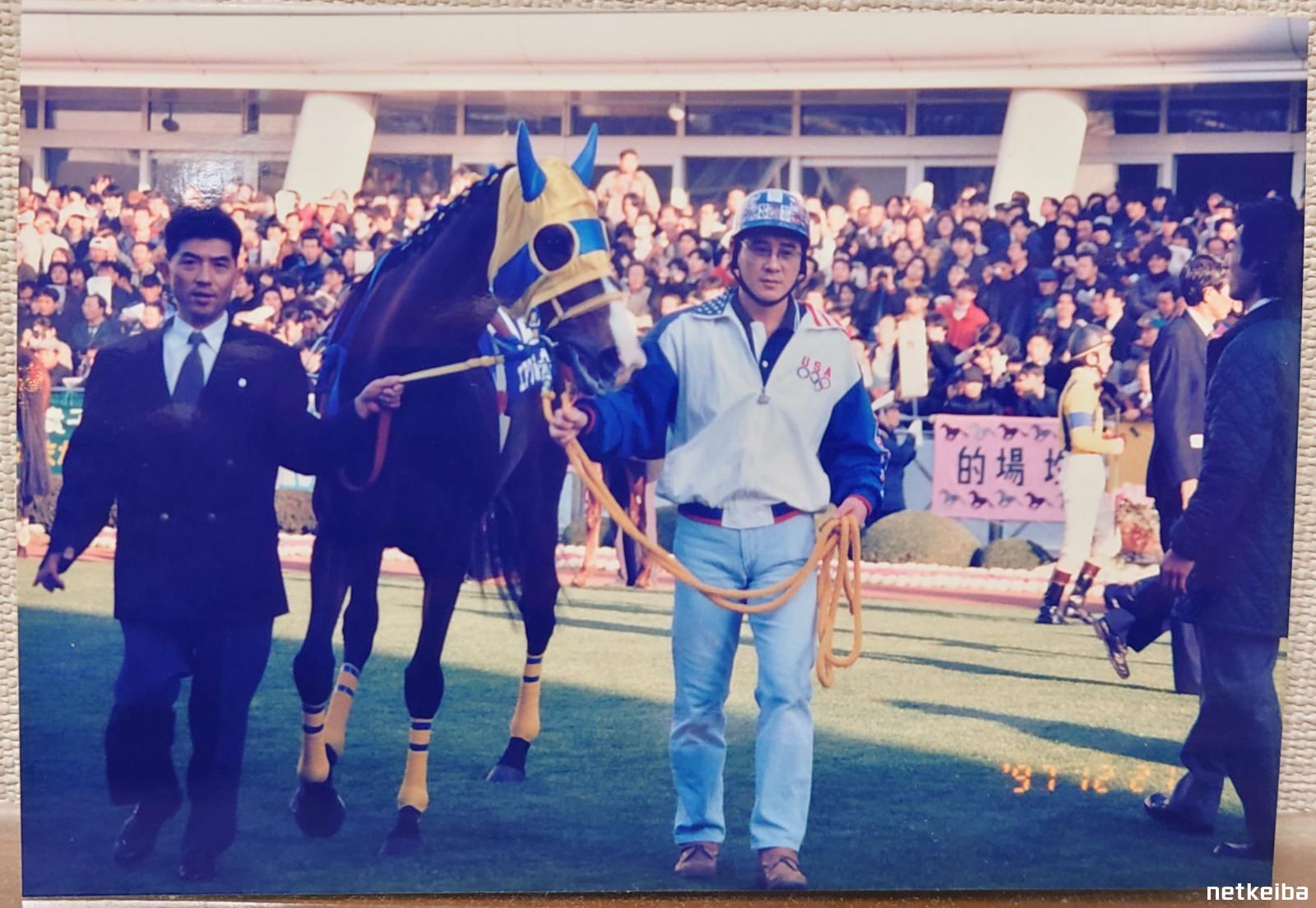
Career at a glance
Track record
Featured races
Finished 1st · G1 · at Tokyo · over 2400m · Tokyo (JP)
Finished 1st · G1 · at Tokyo · over 2000m · Tokyo (JP)
Finished 1st · G2 · at Sapporo · over 2000m · Sapporo (JP)
At a glance
Origins and pedigree
A bay mare foaled on 6 April 1993, Air Groove was bred by Shadai Farm. She raced for Lucky Field Co. Ltd. and was trained at Ritto by Yuji Ito, with Yutaka Take riding her in most of the races that defined her career.
Air Groove was by Tony Bin, a son of Kampala, and out of Dyna Carle, whose sire was Northern Taste. This was already a prominent Shadai family: her siblings included Monopolizer, Cecil Cut and Marie Chantal. The pedigree brought together Tony Bin and one of Japan’s established Northern Taste maternal lines, and its quality was reflected in Air Groove’s progression from an accomplished juvenile to a classic winner and, ultimately, the country’s Horse of the Year.
Her best performances came on turf over middle distances, although her record extended successfully from 1,200 metres early in her career to major races over 2,400 and 2,500 metres.
Career at a glance
- Record: 19 starts, 9 wins, 5 seconds and 3 thirds
- JRA earnings: ¥821,966,000
- Major wins: Yushun Himba/Japanese Oaks (1996), Tenno Sho (Autumn) (1997), Sapporo Kinen (1997 and 1998), Osaka Hai (1998)
- Principal honour: JRA Horse of the Year (1997)
- Additional honour: JRA Best Older Filly or Mare (1997)
- Breeder: Shadai Farm
- Owner: Lucky Field Co. Ltd.
- Trainer: Yuji Ito
Racing career
Juvenile promise in 1995
Air Groove began at Sapporo on 8 July 1995, finishing second to Meiner Ransom in a nine-runner maiden over 1,200 metres. She returned over the same course and distance on 30 July and recorded her first victory, defeating Daiwa Texas on turf described as good to soft.
Her improvement continued when the distance increased. At Tokyo on 29 October, she won the open-class Icho Stakes over 1,600 metres, beating Mountain Stone. That success took her into top-level juvenile company for the Hanshin Sansai Himba Stakes in December. Ridden there by Michael Kinane, she finished second to Biwa Heidi in the 1,600-metre Grade 1. Although beaten, the performance confirmed that she belonged among the leading fillies of her crop.
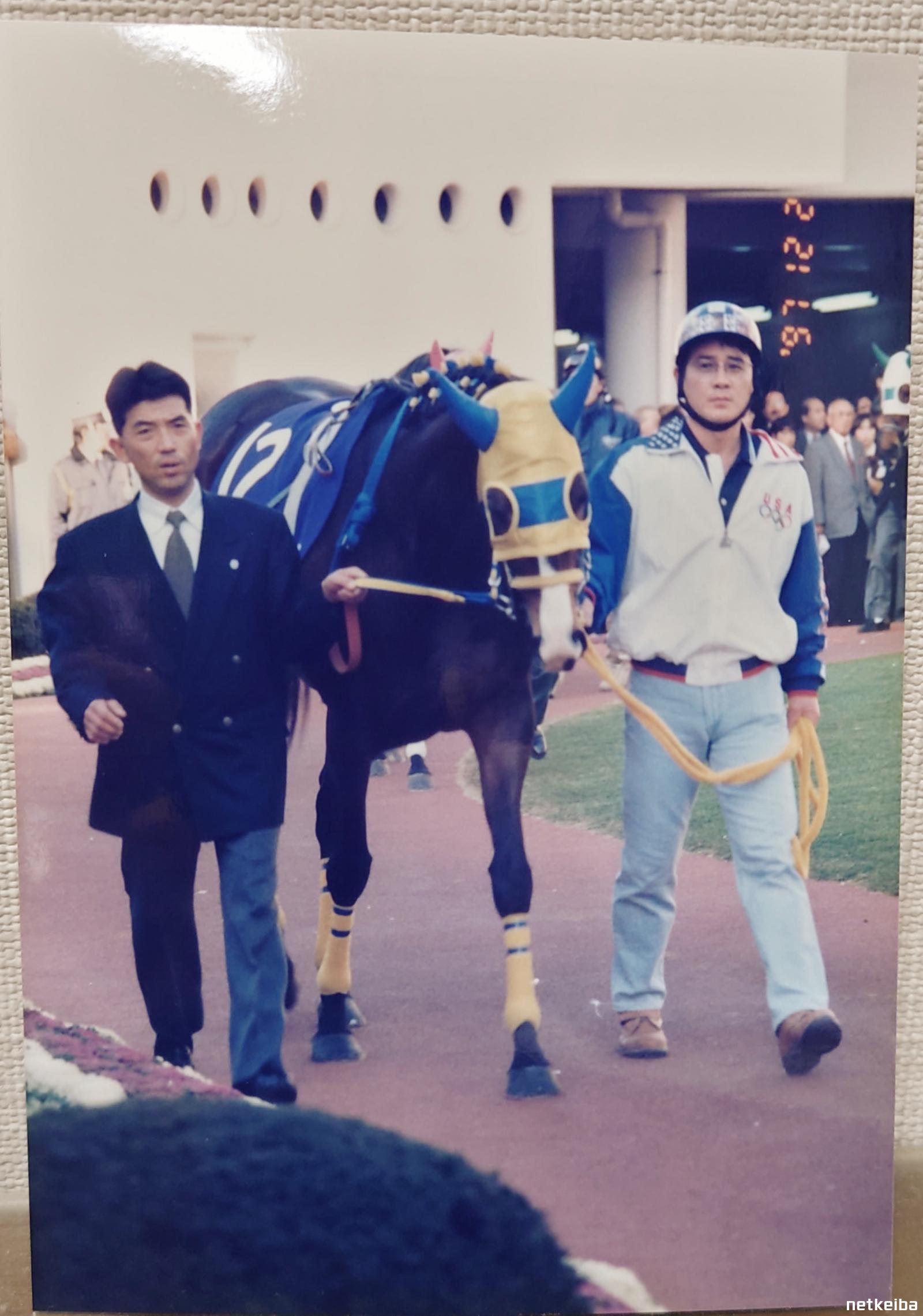
Classic success and a setback in 1996
The developing rivalry with Biwa Heidi continued when Air Groove returned in the Grade 3 Tulip Sho at Hanshin on 2 March 1996. With Olivier Peslier riding, Air Groove reversed their juvenile championship result and defeated Biwa Heidi over 1,600 metres.
Her defining performance as a three-year-old came in the Yushun Himba, the Japanese Oaks, at Tokyo on 26 May. The race represented a substantial rise in distance to 2,400 metres and drew a field of 18. From stall 15, Air Groove and Yutaka Take prevailed over Fight Gulliver, giving the filly her first Grade 1 victory. The result established her not only as a high-class miler but as a classic winner capable of succeeding over a demanding middle-distance trip.
Her next recorded start was the Shuka Sho at Kyoto in October. Drawn 17 of 18 for the 2,000-metre Grade 1, she finished tenth behind Fabulous la Fouine. It was a sharp contrast with her Oaks success, but the disappointment did not define her career. Air Groove returned the following season as an older mare and reached an even higher level.
The championship campaign of 1997
Air Groove opened her four-year-old campaign in the Mermaid Stakes at Hanshin on 22 June. Contesting 2,000 metres on good-to-soft ground, she won the Grade 3 from Sing Like Talk. The race marked a successful return and began an uninterrupted sequence of four top-three finishes that carried her through Japan’s major autumn events.
At Sapporo on 17 August, she defeated Erimo Chic in the Grade 2 Sapporo Kinen over 2,000 metres. That victory provided an important bridge from her return in mare company to a much more ambitious autumn campaign against open opposition.
Tenno Sho (Autumn)
The central achievement of Air Groove’s racing life came at Tokyo on 26 October 1997. In a field of 16 for the 2,000-metre Tenno Sho (Autumn), she defeated Bubble Gum Fellow, with Silence Suzuka also among the runners. The Grade 1 victory was particularly important because it demonstrated that her Japanese Oaks success had not been confined to competition among fillies of her own age. She was now a leading older horse in open company.
The Tenno Sho result became the foundation of her championship season, but her subsequent performances reinforced its significance. Four weeks later, she stepped back up to 2,400 metres for the Japan Cup at Tokyo and finished second to Pilsudski. She closed the year with third place in the Arima Kinen over 2,500 metres at Nakayama, where Silk Justice won.
Across the second half of 1997, Air Groove had won at Grade 3, Grade 2 and Grade 1 level before placing in two of the country’s most important late-season contests. She was consequently named JRA Horse of the Year as well as JRA Best Older Filly or Mare. Horse of the Year recognition placed her above the season’s divisional boundaries: she was honoured not merely as the best mare, but as Japan’s leading racehorse of 1997.
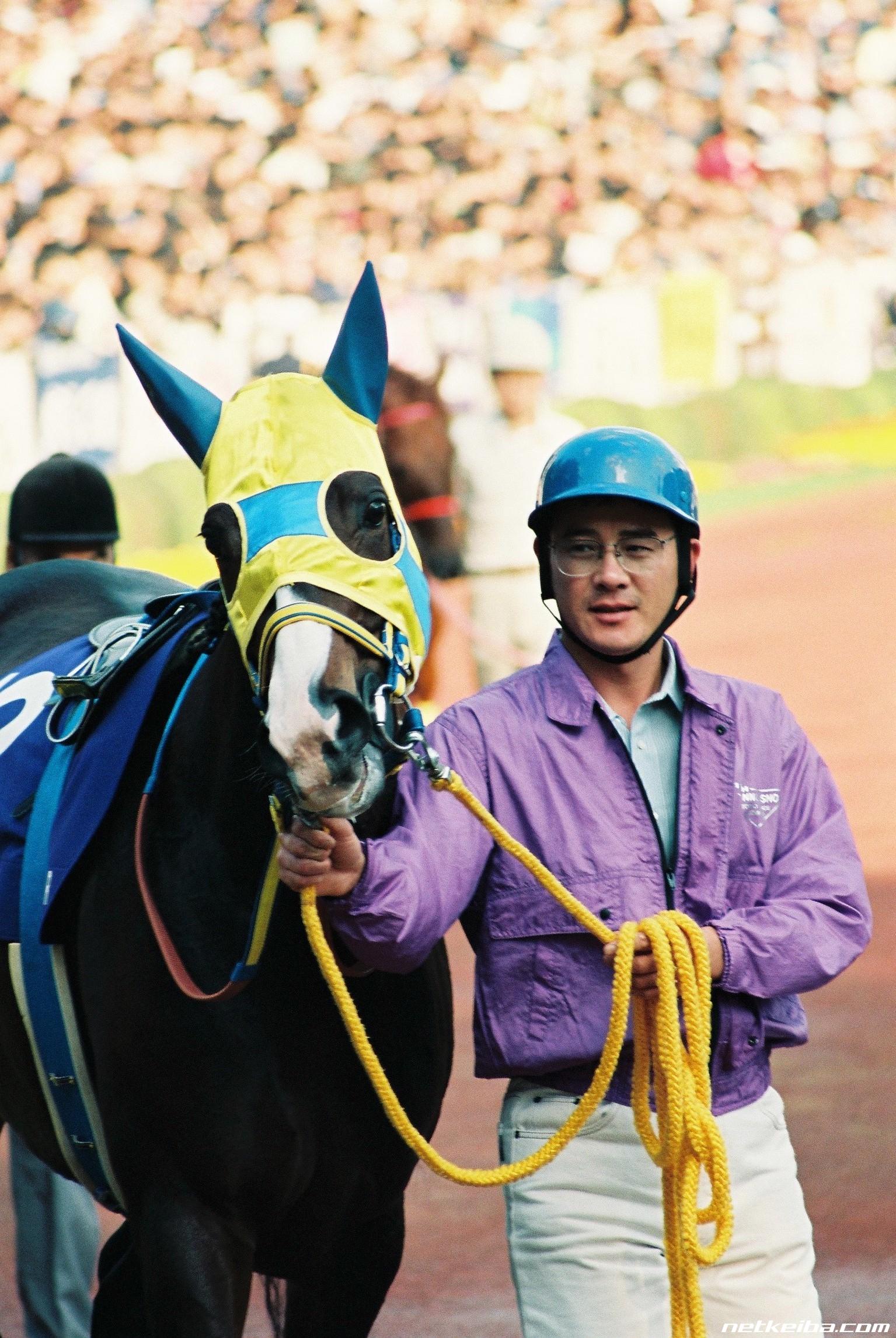
A durable final season
Air Groove remained in training in 1998 and began the year by winning the Grade 2 Sankei Osaka Hai at Hanshin on 5 April. Over 2,000 metres, she defeated Mejiro Dober, another major mare of the period. The result showed that Air Groove had retained her ability after her championship campaign.
She then finished second to Sunrise Flag in the Naruo Kinen, run over 2,000 metres on heavy ground at Hanshin. In July she moved up to 2,200 metres for the Grade 1 Takarazuka Kinen and finished third behind Silence Suzuka. That placing again put her among the leading performers in open competition, even without another top-level victory.
Her final win came at Sapporo on 23 August. Returning to the 2,000-metre Sapporo Kinen, she defeated Silent Hunter and became a winner of the race for the second consecutive year. The repeated success was characteristic of her mature career: five of her six recorded starts across 1997 and the first eight months of 1998 came over 2,000 metres, and she won four of them.
Air Groove’s last autumn produced further high-level placings. Norihiro Yokoyama rode her to third behind Mejiro Dober in the Queen Elizabeth II Commemorative Cup at Kyoto. Two weeks later she contested the Japan Cup for a second time and again finished runner-up, this time to El Condor Pasa. Special Week and Stay Gold were among the other runners, adding depth to a race in which Air Groove once more demonstrated her competitiveness over Tokyo’s 2,400 metres.
Her final appearance came in the Arima Kinen on 27 December 1998. Ridden again by Yutaka Take, she finished fifth behind Grass Wonder over 2,500 metres. She therefore ended her career having finished outside the first three only twice in 19 starts.
Defining races
1996 Yushun Himba
The Japanese Oaks transformed Air Groove from a leading filly into a classic winner. Her success over 2,400 metres was especially significant after her earlier racing had centred on 1,200 and 1,600 metres. Defeating Fight Gulliver in an 18-runner field demonstrated both her progression and her capacity to carry her form into a markedly different test.
1997 Tenno Sho (Autumn)
The Tenno Sho was the victory that defined her standing beyond her own age and sex. By defeating Bubble Gum Fellow over 2,000 metres at Tokyo, Air Groove secured her principal open-company Grade 1 win. Combined with her later second in the Japan Cup and third in the Arima Kinen, it provided the central argument for her Horse of the Year title.
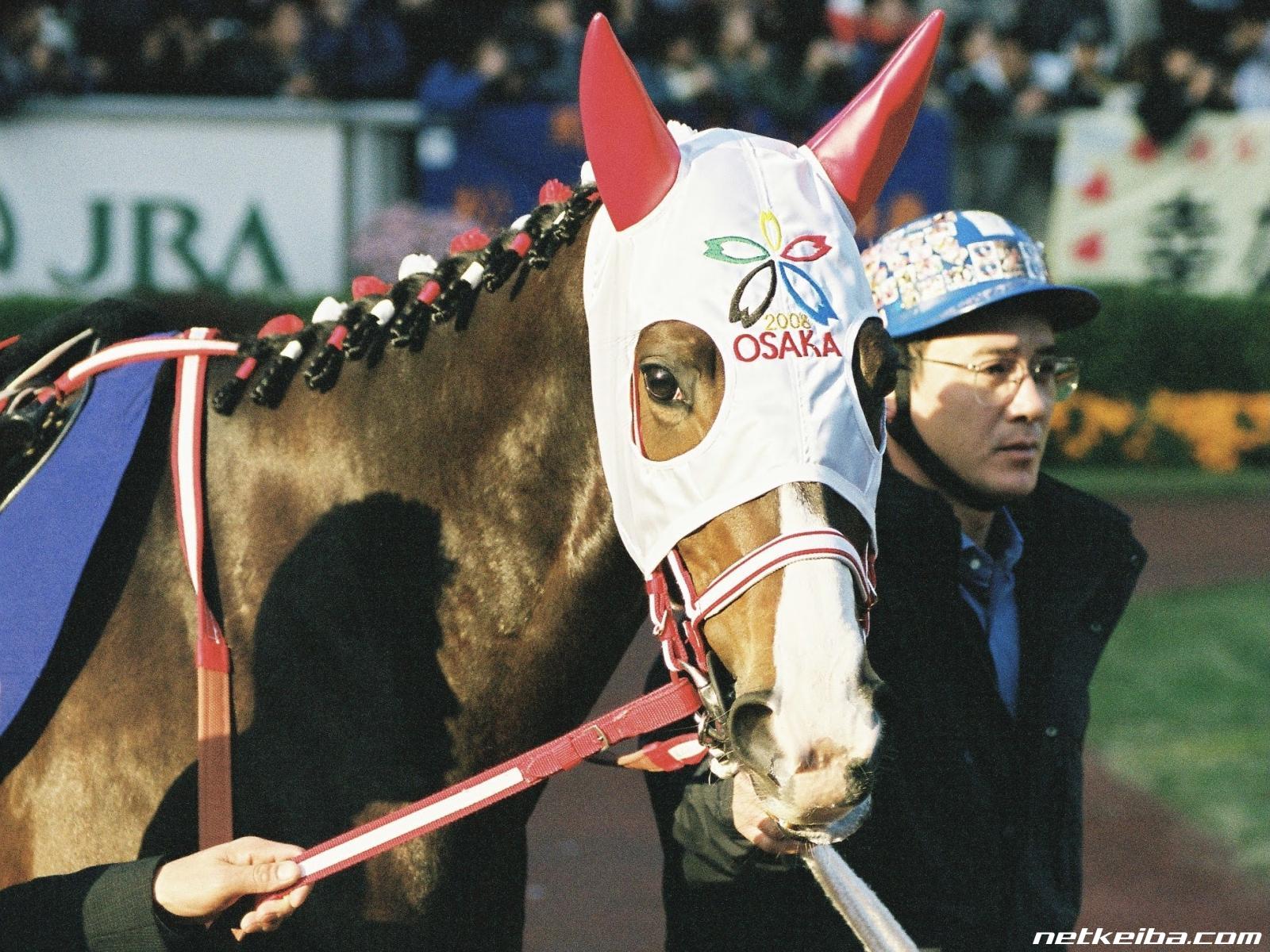
Two Japan Cup placings
Air Groove never won the Japan Cup, but her successive runner-up finishes were major components of her record. Pilsudski beat her in 1997, and El Condor Pasa did so in 1998. Finishing second in consecutive editions over 2,400 metres showed that her elite form extended beyond her Tenno Sho-winning distance and endured across two seasons.
Consecutive Sapporo Kinen victories
Her Sapporo Kinen wins in 1997 and 1998 framed the mature phase of her career. The first prepared the way for her championship autumn; the second became her final victory. Both came over 2,000 metres, the distance most closely associated with her success as an older mare.
Retirement and legacy
After retirement from racing, Air Groove became a broodmare and carried the importance of the Dyna Carle family into later generations of the Japanese Thoroughbred. Her influence at stud complemented a race record already distinguished by classic success, durability and achievement against open company.
Air Groove died on 23 April 2013 at the age of 20. Her reputation rests on a rare combination of accomplishments: she was a Japanese Oaks winner at three, a Tenno Sho heroine and national Horse of the Year at four, and still capable at five of winning major races and finishing second in the Japan Cup. Those achievements secure her place among the defining Japanese mares of the 1990s.
Sources
- netkeiba: Air Groove profile, pedigree and race record
- JBIS-Search: Air Groove profile and pedigree
- Air Groove career overview
- 1996 Yushun Himba result
- 1997 Tenno Sho (Autumn) result
- 1997 Japan Cup result
- 1998 Sapporo Kinen result
- 1998 Japan Cup result
- https://en.netkeiba.com/db/race/199501020106/
- https://en.netkeiba.com/db/race/199501020804/
- https://en.netkeiba.com/db/race/199505040806/
- https://en.netkeiba.com/db/race/199509010211/
- https://en.netkeiba.com/db/race/199609010311/
- https://en.netkeiba.com/db/race/199608040610/
More photographs
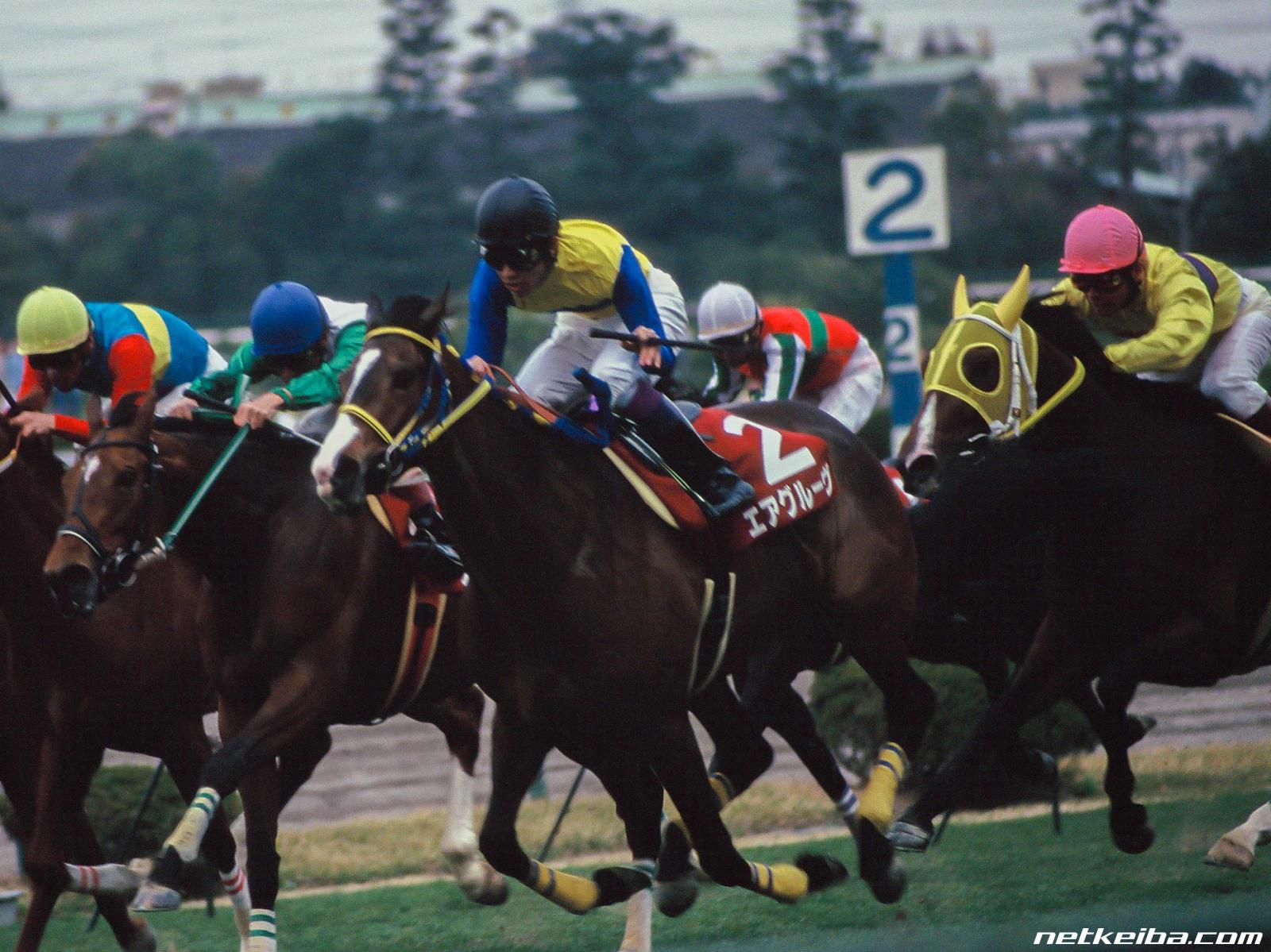
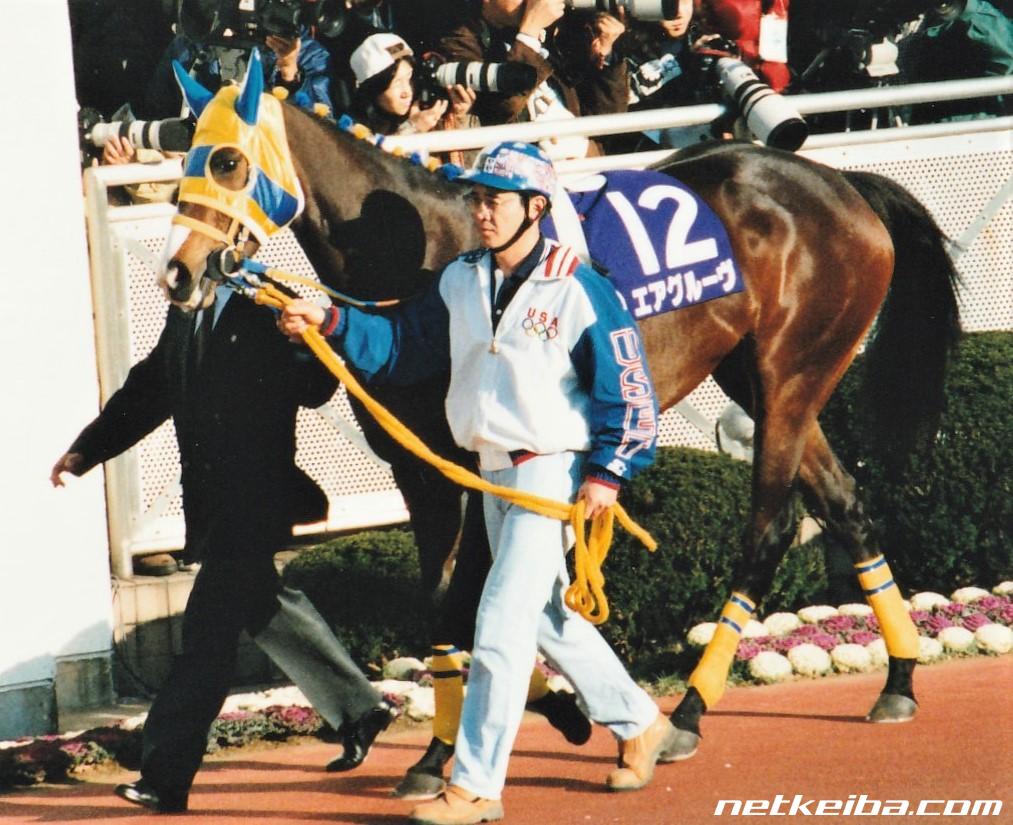
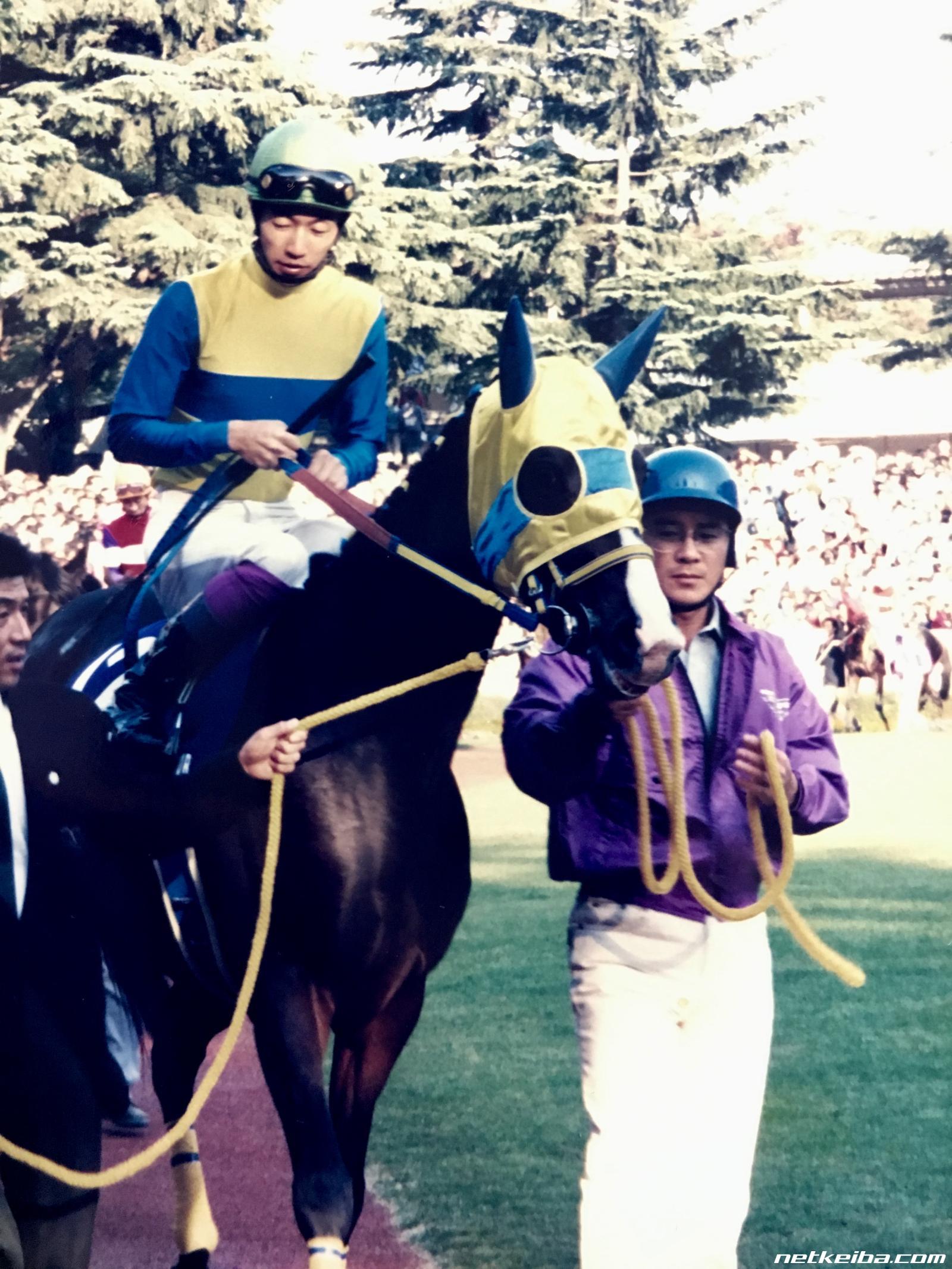
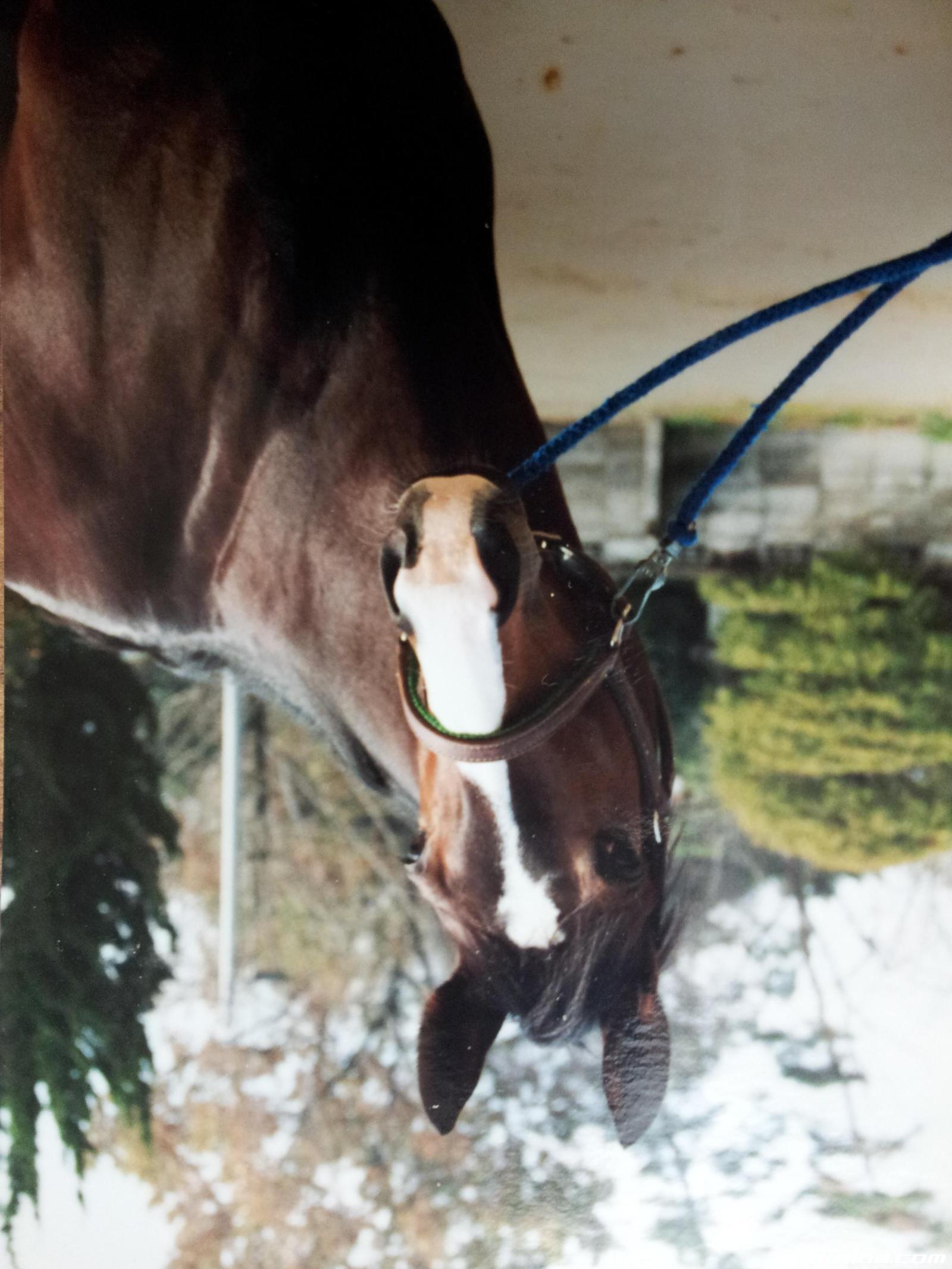
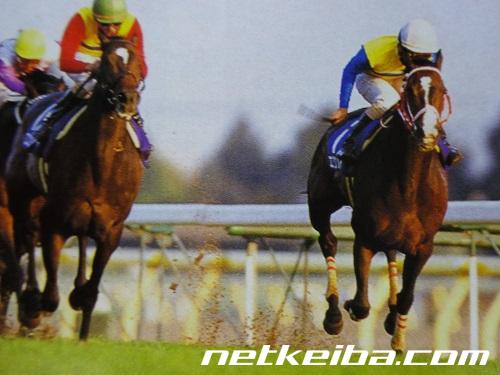
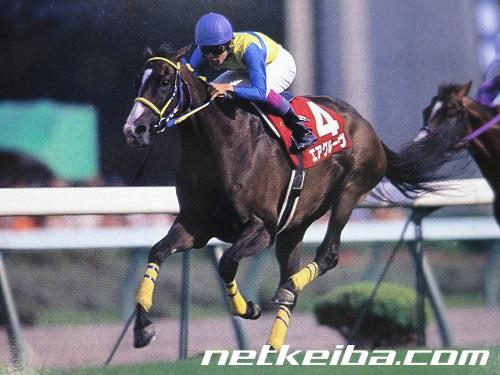
IRL image archive
6 more images
| Date | Race | Grade | Course | Going | Dist | Pos | Draw | Jockey | Wgt | SP | Time |
|---|---|---|---|---|---|---|---|---|---|---|---|
| 1998-12-27 |
ARIMA KINEN (43RD THE GRAND PRIX)
|
G1 | Nakayama (JP) | Good | 2500 m | 5 | 3 | Yutaka Take | 54.0 kg | 3.8 | 2:32.9 |
| 1998-11-29 |
JAPAN CUP
|
G1 | Tokyo (JP) | Good | 2400 m | 2 | 1 | Norihiro Yokoyama | 55.0 kg | 4.6 | 2:26.3 |
| 1998-11-15 |
QUEEN ELIZABETH 2 COMMEMORATIVE CUP
|
G1 | Kyoto (JP) | Good | 2200 m | 3 | 3 | Norihiro Yokoyama | 56.0 kg | 1.4 | 2:13.1 |
| 1998-08-23 |
SAPPORO KINEN
|
G2 | Sapporo (JP) | Good | 2000 m | 1 | 4 | Yutaka Take | 58.0 kg | 1.3 | 1:59.5 |
| 1998-07-12 |
TAKARAZUKA KINEN
|
G1 | Hanshin (JP) | Good | 2200 m | 3 | 5 | Yutaka Take | 56.0 kg | 4.7 | 2:12.1 |
| 1998-06-21 |
NARUO KINEN
|
G2 | Hanshin (JP) | Heavy | 2000 m | 2 | 9 | Yutaka Take | 57.0 kg | 1.3 | 2:04.1 |
| 1998-04-05 |
SANKEI OSAKA HAI
|
G2 | Hanshin (JP) | Good | 2000 m | 1 | 2 | Yutaka Take | 57.0 kg | 1.2 | 2:01.3 |
| 1997-12-21 |
ARIMA KINEN (43RD THE GRAND PRIX)
|
G1 | Nakayama (JP) | Good | 2500 m | 3 | 12 | O.Peslier | 55.0 kg | 3.8 | 2:34.9 |
| 1997-11-23 |
JAPAN CUP
|
G1 | Tokyo (JP) | Good | 2400 m | 2 | 9 | Yutaka Take | 55.0 kg | 4.0 | 2:25.8 |
| 1997-10-26 |
TENNO SHO (AUTUMN)
|
G1 | Tokyo (JP) | Good | 2000 m | 1 | 12 | Yutaka Take | 56.0 kg | 4.0 | 1:59.0 |
| 1997-08-17 |
SAPPORO KINEN
|
G2 | Sapporo (JP) | Good | 2000 m | 1 | 7 | Yutaka Take | 55.0 kg | 1.8 | 2:00.2 |
| 1997-06-22 |
MERMAID STAKES
|
G3 | Hanshin (JP) | Good to Soft | 2000 m | 1 | 13 | Yutaka Take | 56.0 kg | 1.9 | 2:02.6 |
| 1996-10-20 |
SHUKA SHO
|
G1 | Kyoto (JP) | Good | 2000 m | 10 | 17 | Yutaka Take | 55.0 kg | 1.7 | 1:59.8 |
| 1996-05-26 |
YUSHUN HIMBA (JAPANESE OAKS)
|
G1 | Tokyo (JP) | Good | 2400 m | 1 | 15 | Yutaka Take | 55.0 kg | 2.5 | 2:29.1 |
| 1996-03-02 |
TULIP SHO
|
G3 | Hanshin (JP) | Good to Soft | 1600 m | 1 | 5 | O.Peslier | 54.0 kg | 2.7 | 1:34.2 |
| 1995-12-03 |
HANSHIN SANSAI HIMBA STAKES
|
G1 | Hanshin (JP) | Good | 1600 m | 2 | 9 | Michael Kinane | 53.0 kg | 6.0 | 1:35.4 |
| 1995-10-29 |
ICHO STAKES OP
|
OP | Tokyo (JP) | Good | 1600 m | 1 | 1 | Yutaka Take | 53.0 kg | 2.2 | 1:35.8 |
| 1995-07-30 |
3yo DBT
|
Maiden | Sapporo (JP) | Good to Soft | 1200 m | 1 | 3 | Yutaka Take | 53.0 kg | 1.1 | 1:12.0 |
| 1995-07-08 |
3yo DBT
|
Maiden | Sapporo (JP) | Good | 1200 m | 2 | 4 | Yutaka Take | 53.0 kg | 1.6 | 1:12.1 |
Citations
Race Result Sources
AI Race Import 2026-06-28 09:08 UTC
Imported and enriched race results from supported racing sources.