

Uma profile

Symboli Rudolf


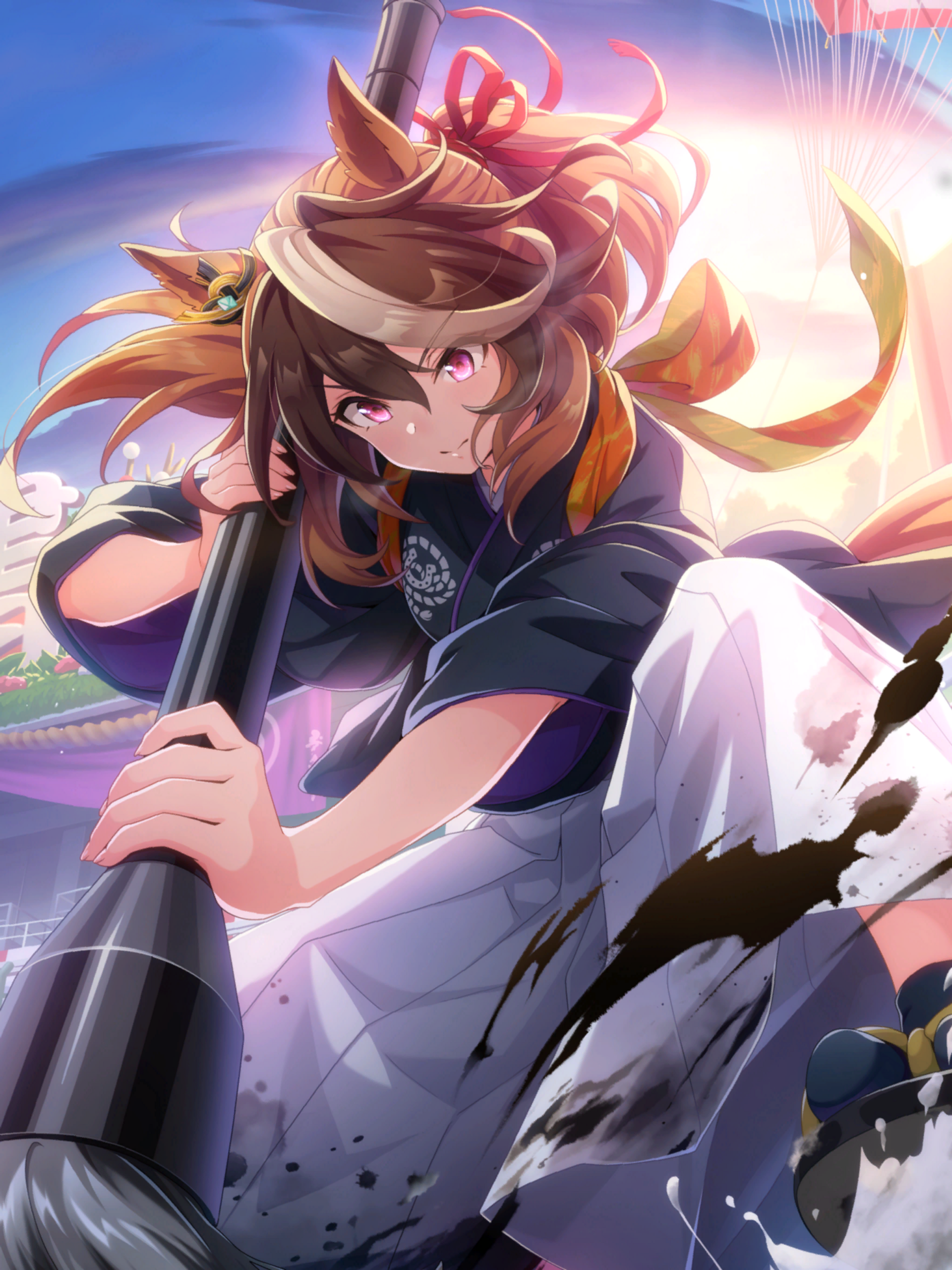
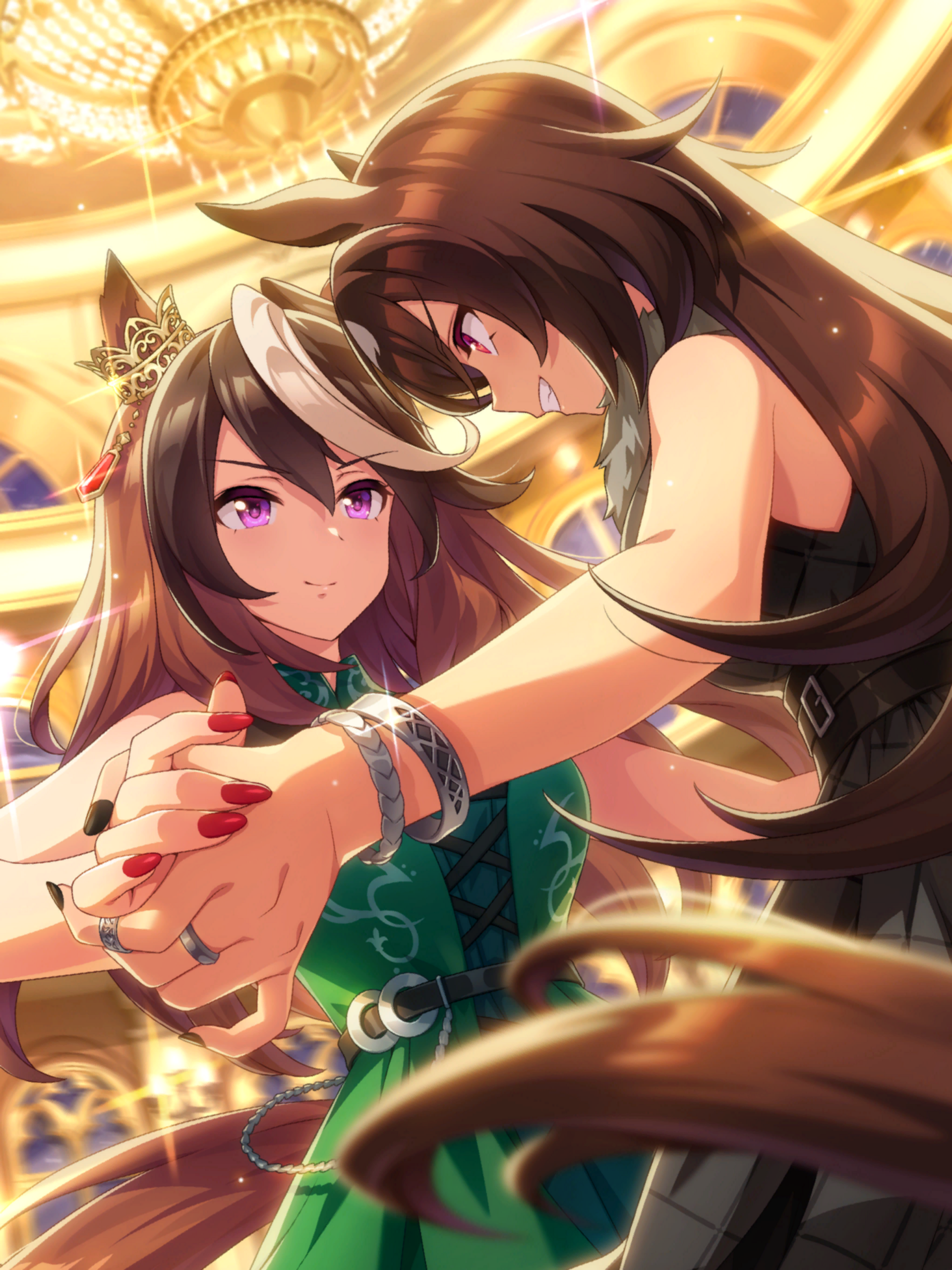
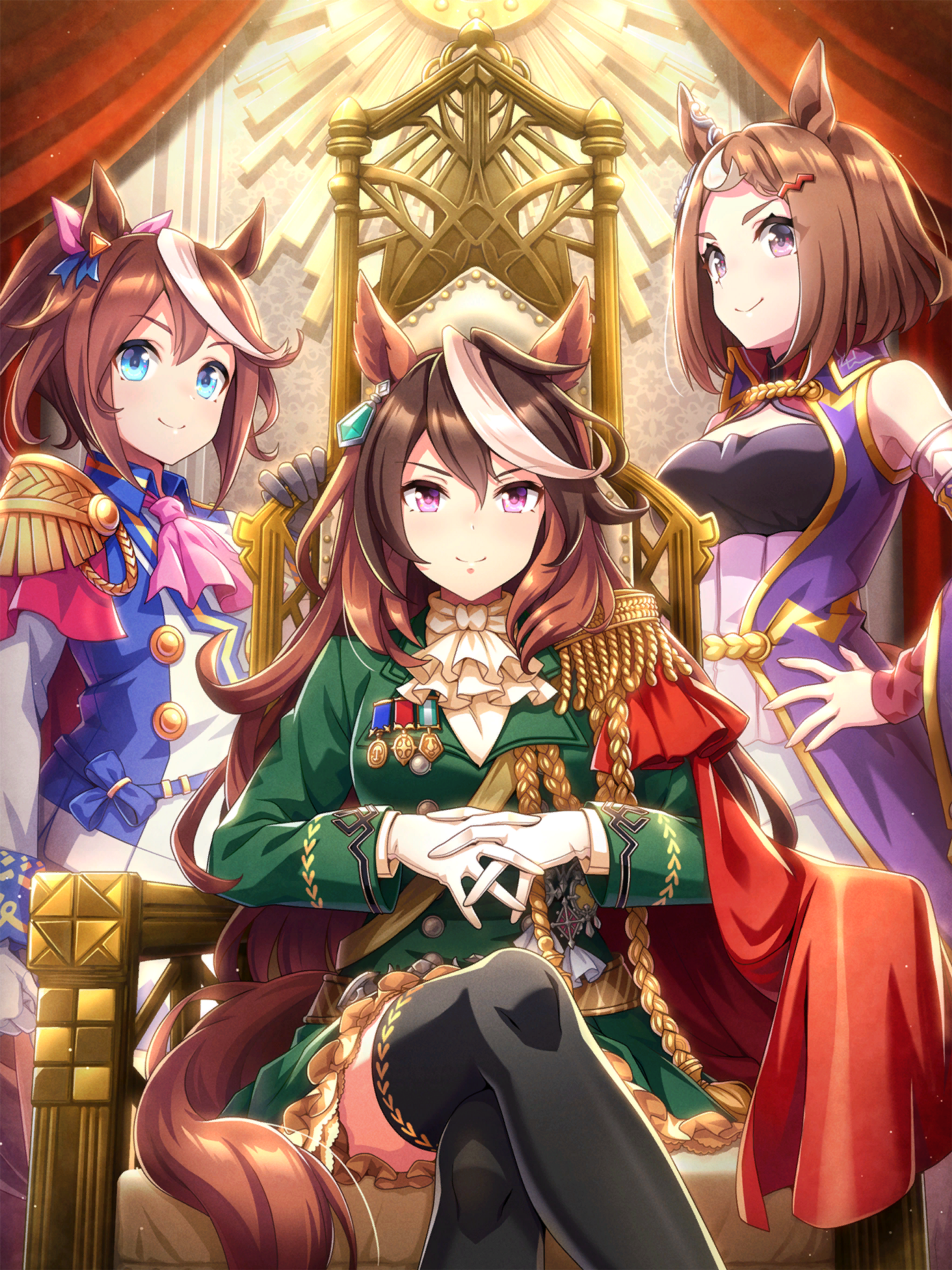
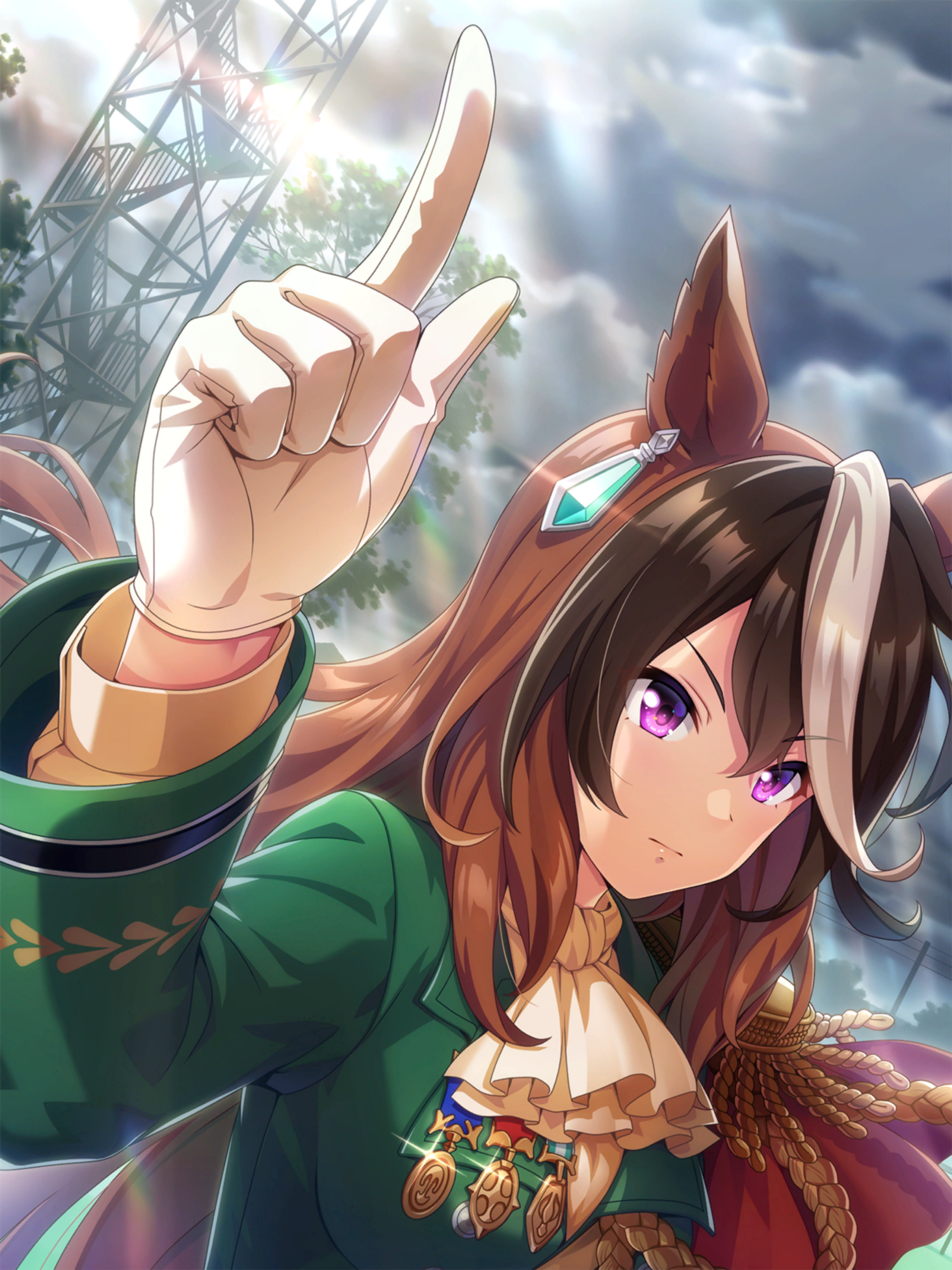
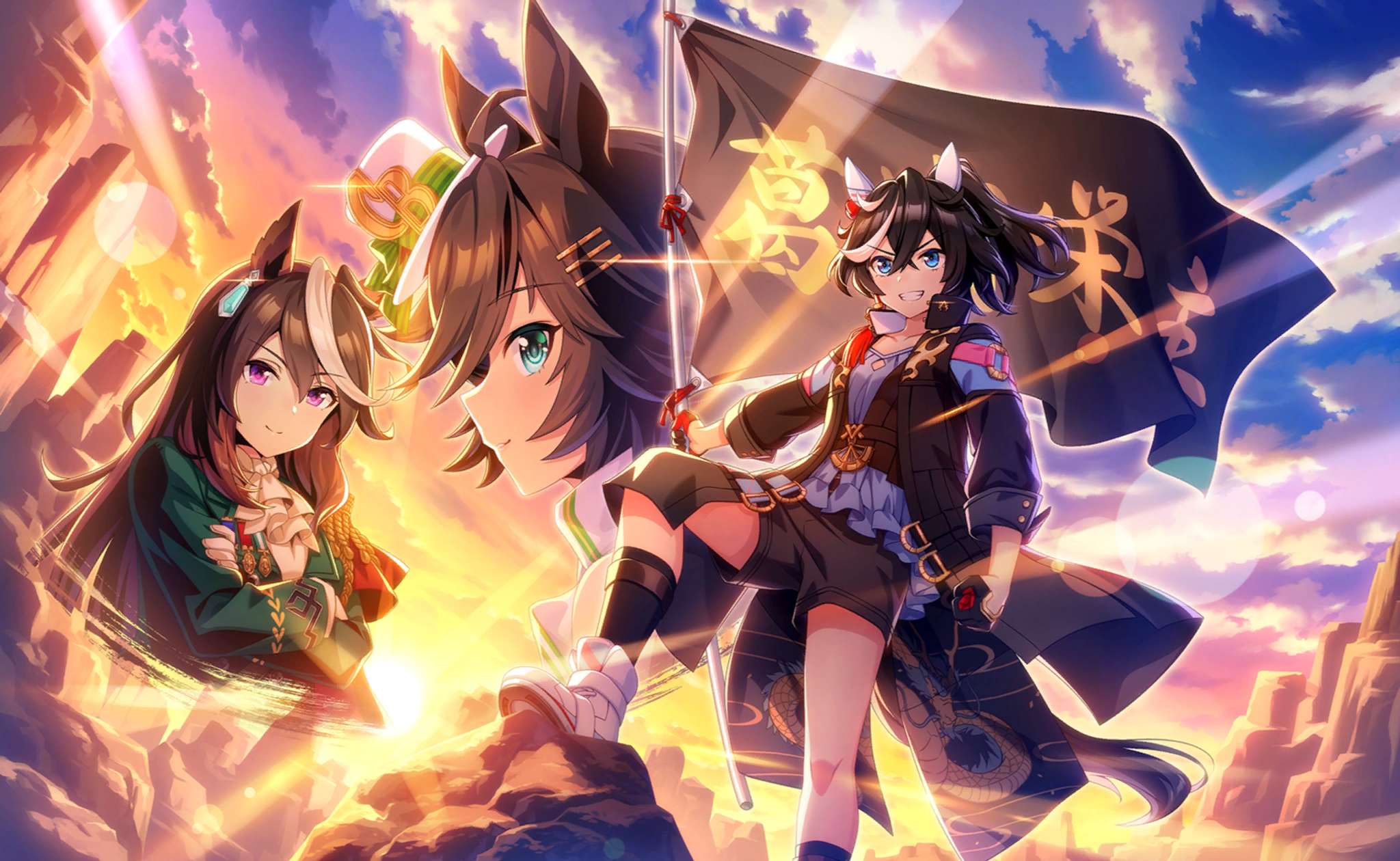
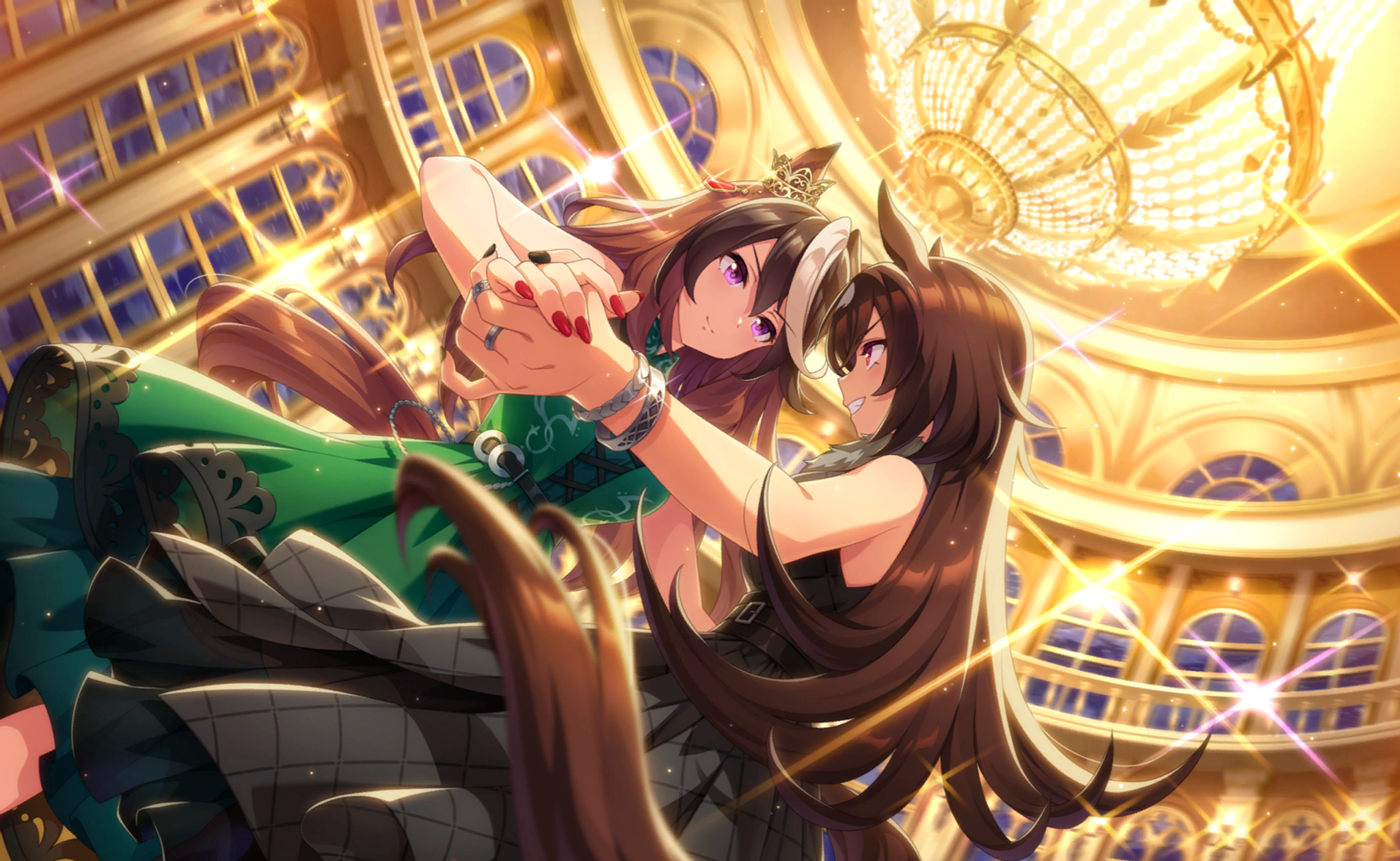
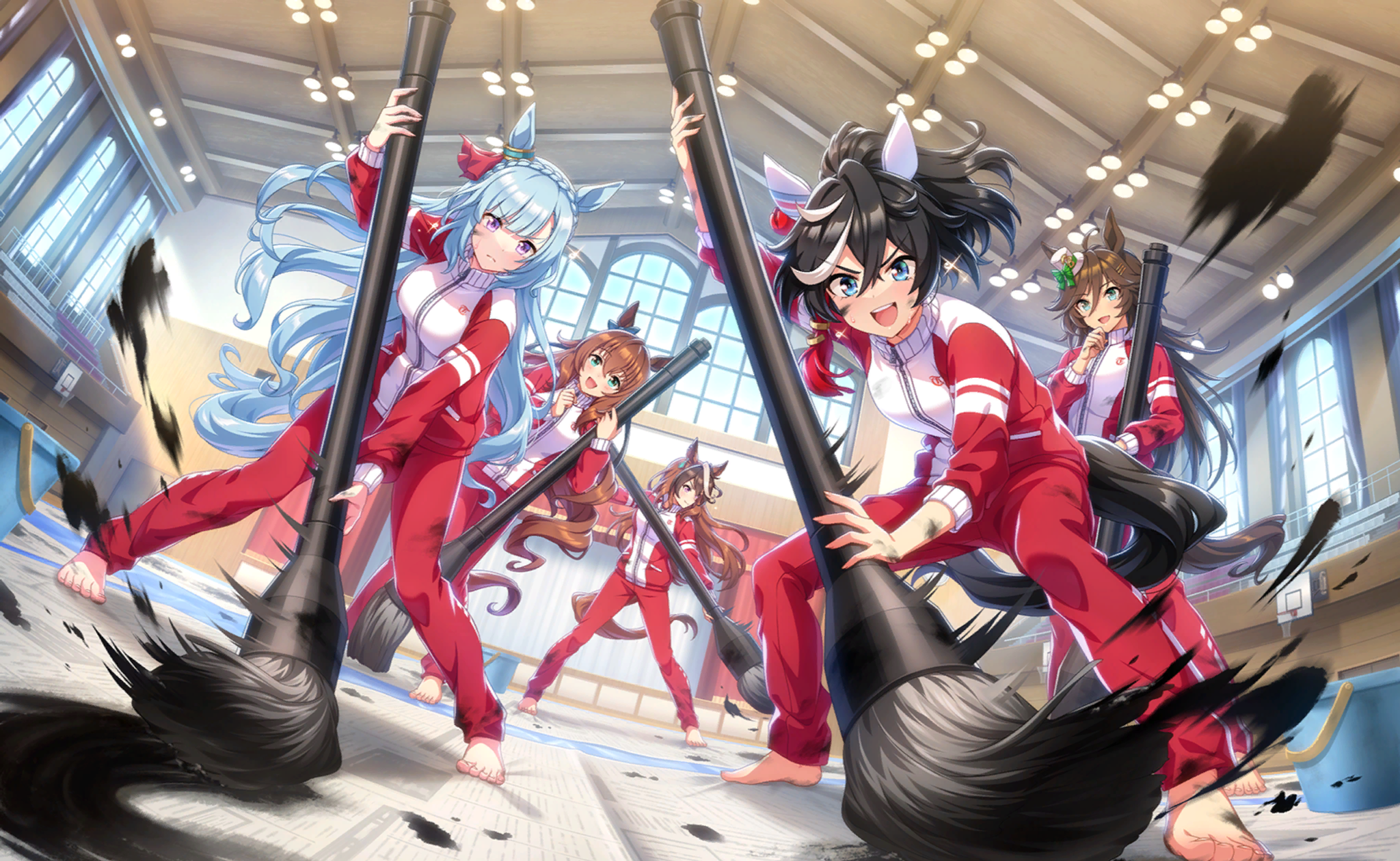
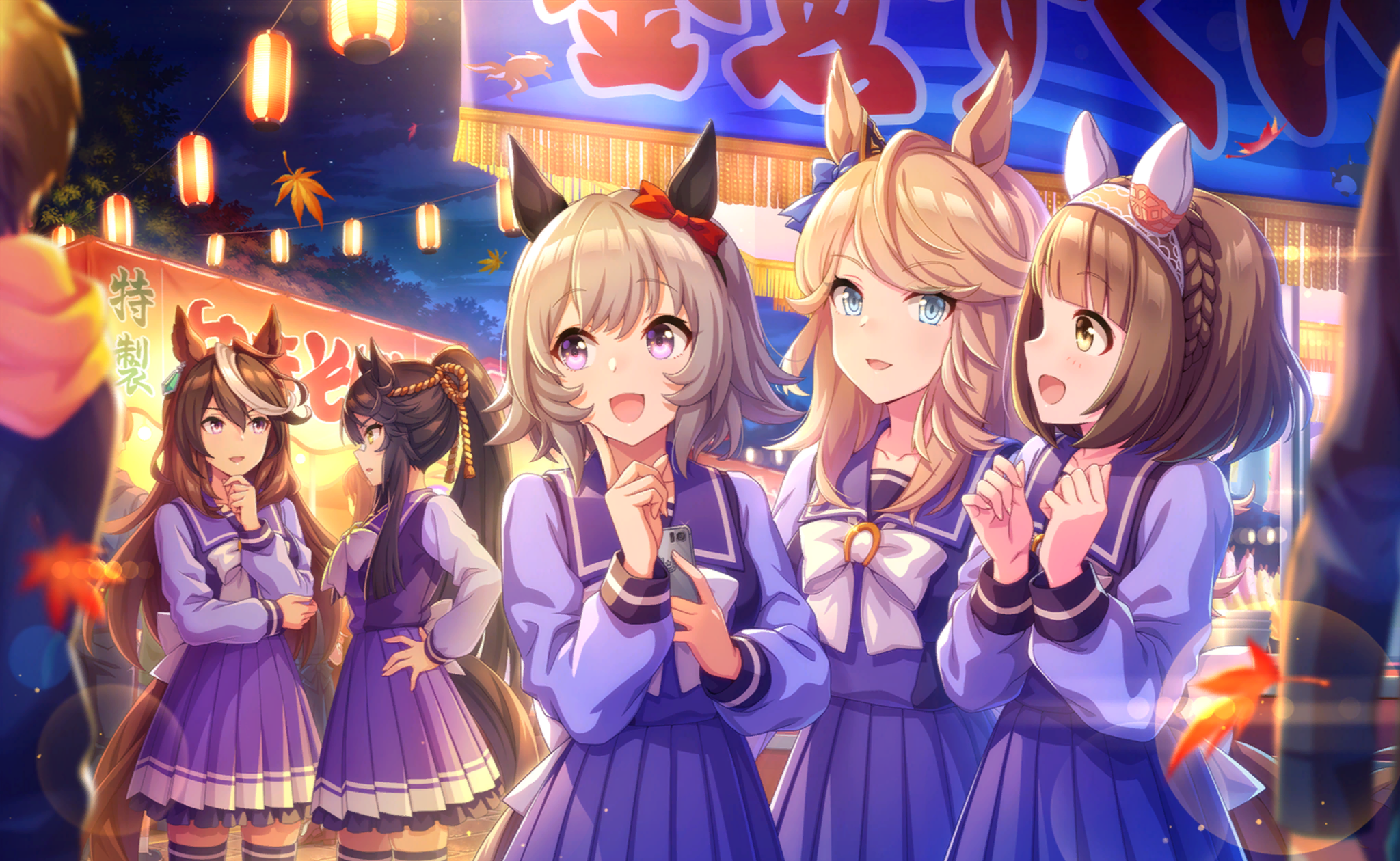
Symboli Rudolf (シンボリルドルフ) is The Emperor: a Senior Division student whose dignity, charisma, and commanding presence make the title feel entirely earned. As Tracen Academy’s student council president, she stands out as a natural leader—elegant, formidable, and difficult to overlook.
Rudolf’s authority is not merely ceremonial. She is consistently portrayed as someone who carries herself with stately confidence, projecting the composure expected of the academy’s highest student representative. Even among remarkable Uma Musume, she has the air of a figure at the center of the stage.
She lives in Miho Dorm and refers to herself with the formal, composed Watashi, while addressing her trainer as Trainer-kun. Those choices suit her image perfectly: polished and self-possessed, yet not so distant that her leadership loses its personal touch.
Rudolf is associated with Tokai Teio, Narita Brian, Air Groove, and Special Week. Her listed rivals—Katsuragi Ace, Mejiro Ramonu, Sirius Symboli, and Mr. C.b.—form suitably imposing company for an Uma Musume known as The Emperor. Whether viewed as president, competitor, or commanding academy presence, Symboli Rudolf embodies leadership with unmistakable grandeur.
Sources





















Touch fallback
Symboli RudolfTouch and smaller layouts use grouped connection cards instead of the live radar. Open any entry to follow the relationship directly.
Same races
Same Races
2 shared rivals
Related Umas
4 total · 4 linked
Rivals
4 total · 4 linked
Mentioned By Related Umas
6 profiles


Mentioned By Rivals
2 profiles
Mentioned By Stablemates
1 profile
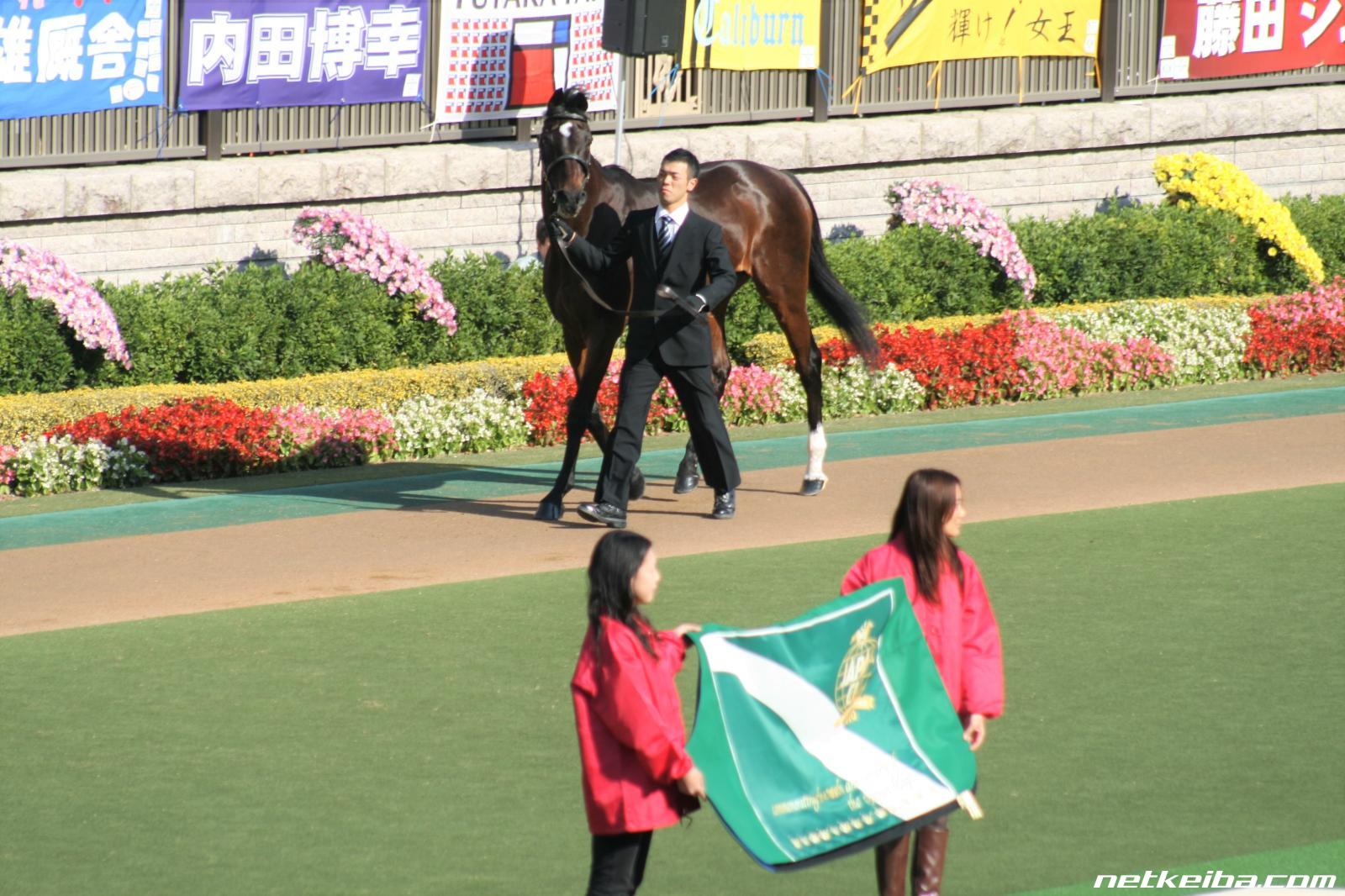
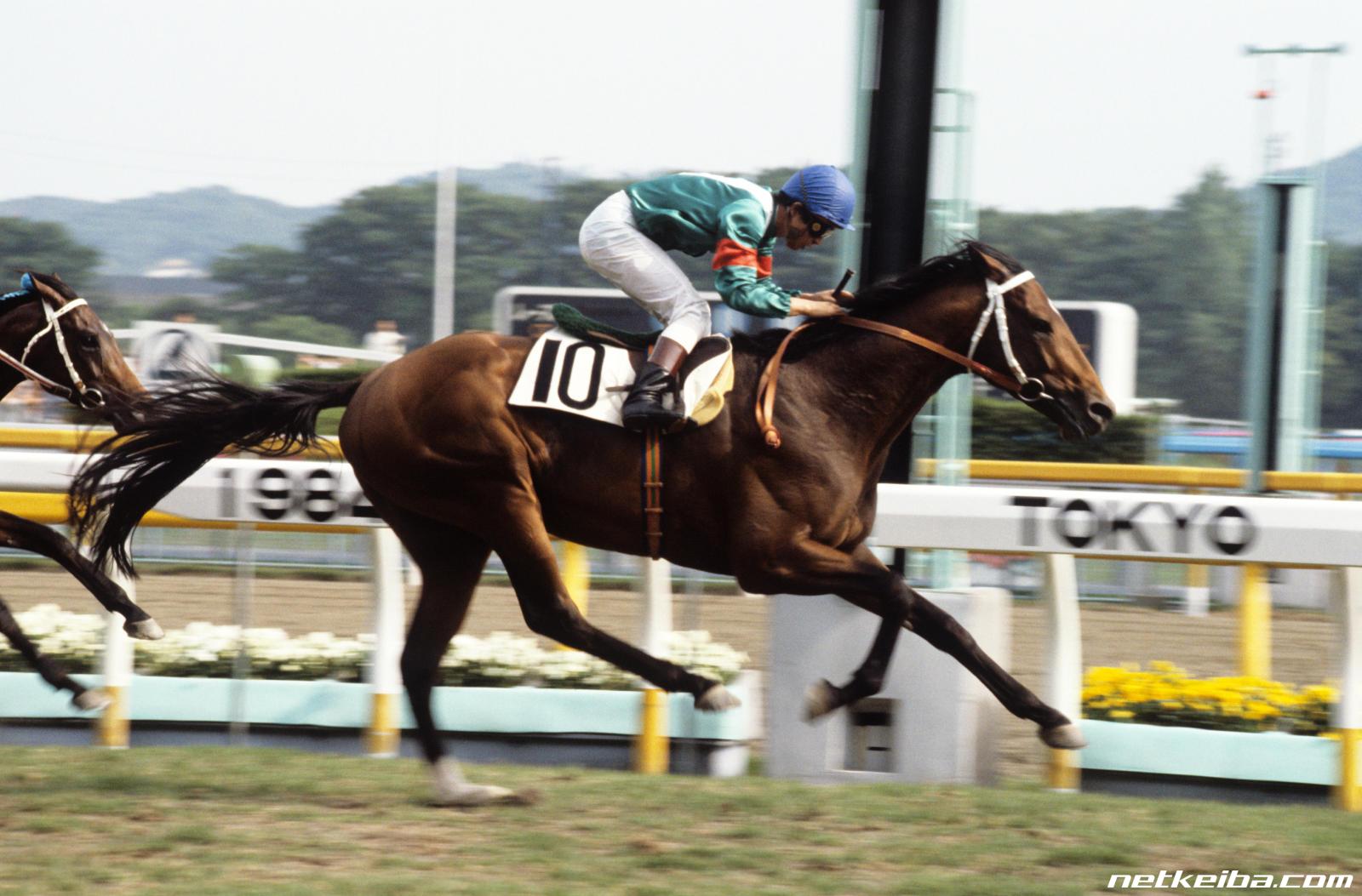
Symboli Rudolf was a bay Japanese stallion whose 13 victories from 16 starts included the Satsuki Sho, Japanese Derby, Kikuka Sho, Japan Cup and two editions of the Arima Kinen. His achievements over turf distances from 1,600 to 3,200 metres made him one of the defining Japanese racehorses of the 1980s, while his later stud career was led by the outstanding Tokai Teio.
Career at a glance
Track record
Featured races
Finished 1st · G1 · at Nakayama · over 2000m · Nakayama (JP)
Finished 1st · G1 · at Nakayama · over 2500m · Nakayama (JP)
Finished 1st · G1 · at Nakayama · over 2500m · Nakayama (JP)
At a glance
Origins and pedigree
Foaled on 13 March 1981, Symboli Rudolf was bred and owned by Symboli Bokujo, also rendered as Symboli Stud in Japanese racing records. He was by the Irish-bred Partholon, a son of Milesian, and out of Sweet Luna. His dam was a daughter of Speed Symboli, giving Symboli Rudolf a notable domestic influence on the maternal side of his pedigree.
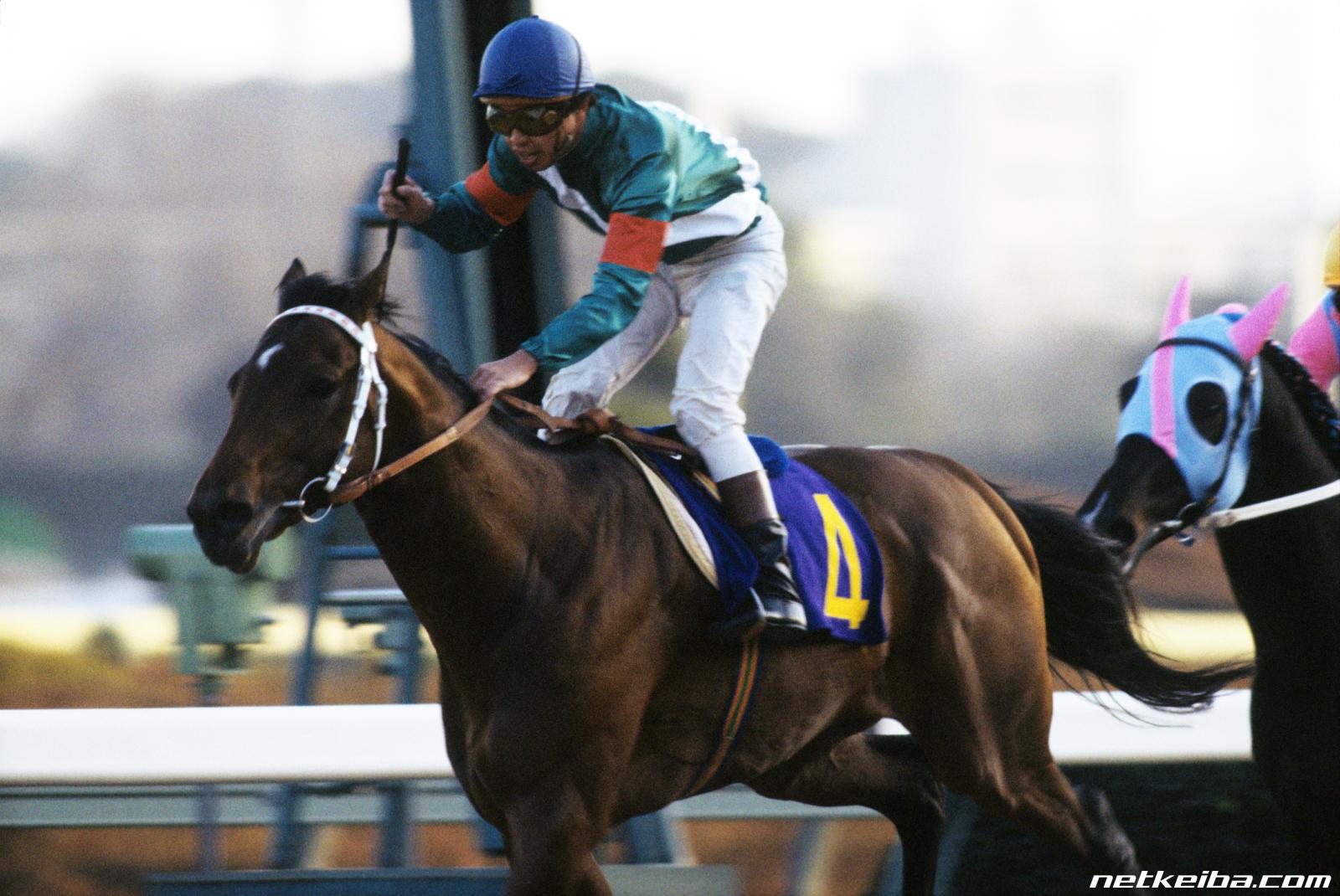
The bay entered the Miho stable of Yuji Nohira and became closely associated with jockey Yukio Okabe. Their partnership encompassed his principal Classic successes and continued through the major races of his mature career.
Symboli Rudolf was regarded as a middle- to long-distance horse, but his record showed considerable range. His documented victories extended from 1,600 metres at two to the 3,200-metre Tenno Sho in the spring of 1985. That breadth, together with a versatile racing style, allowed him to remain effective through different stages of his career and across Japan’s major turf courses.
Career at a glance
- Record: 16 starts, 13 wins, one second and one third
- JRA earnings: ¥684,824,200
- Classic wins: 1984 Satsuki Sho, Tokyo Yushun and Kikuka Sho
- Other major victories: 1984 and 1985 Arima Kinen, 1985 Tenno Sho (Spring), 1985 Japan Cup
- Trainer: Yuji Nohira at Miho
- Principal jockey: Yukio Okabe
- Stud record: 698 progeny, 378 JRA wins and four JRA Grade 1 winners
Racing career
Symboli Rudolf’s documented juvenile campaign included a victory over 1,600 metres at Tokyo on 29 October 1983. That performance in the Icho Tokubetsu provided an early indication of the ability that would carry him through a demanding three-year-old season.
He returned at Nakayama on 4 March 1984 for the 2,000-metre Yayoi Sho, a major preparatory race for the spring Classics. Symboli Rudolf won the Grade 3 event from Bizen Nishiki, establishing himself as a leading contender for the Satsuki Sho over the same course and distance.
The 1984 spring Classics
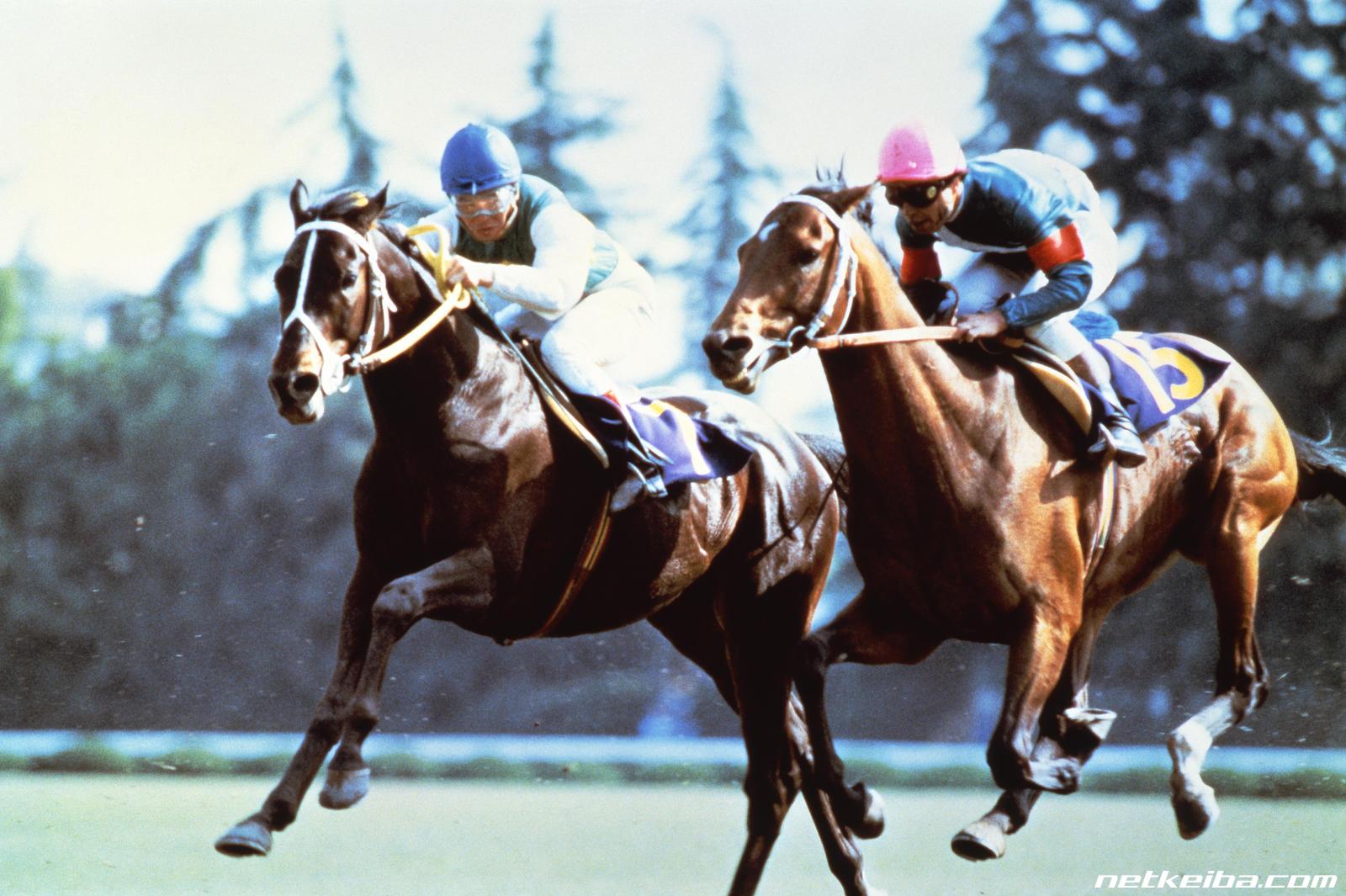
On 15 April, Symboli Rudolf contested the Satsuki Sho at Nakayama. Ridden by Okabe and carrying 57 kilograms, he started as favourite and defeated Bizen Nishiki again. The victory gave him the first major Classic of the season and confirmed that his Yayoi Sho success had translated directly to Grade 1 company.
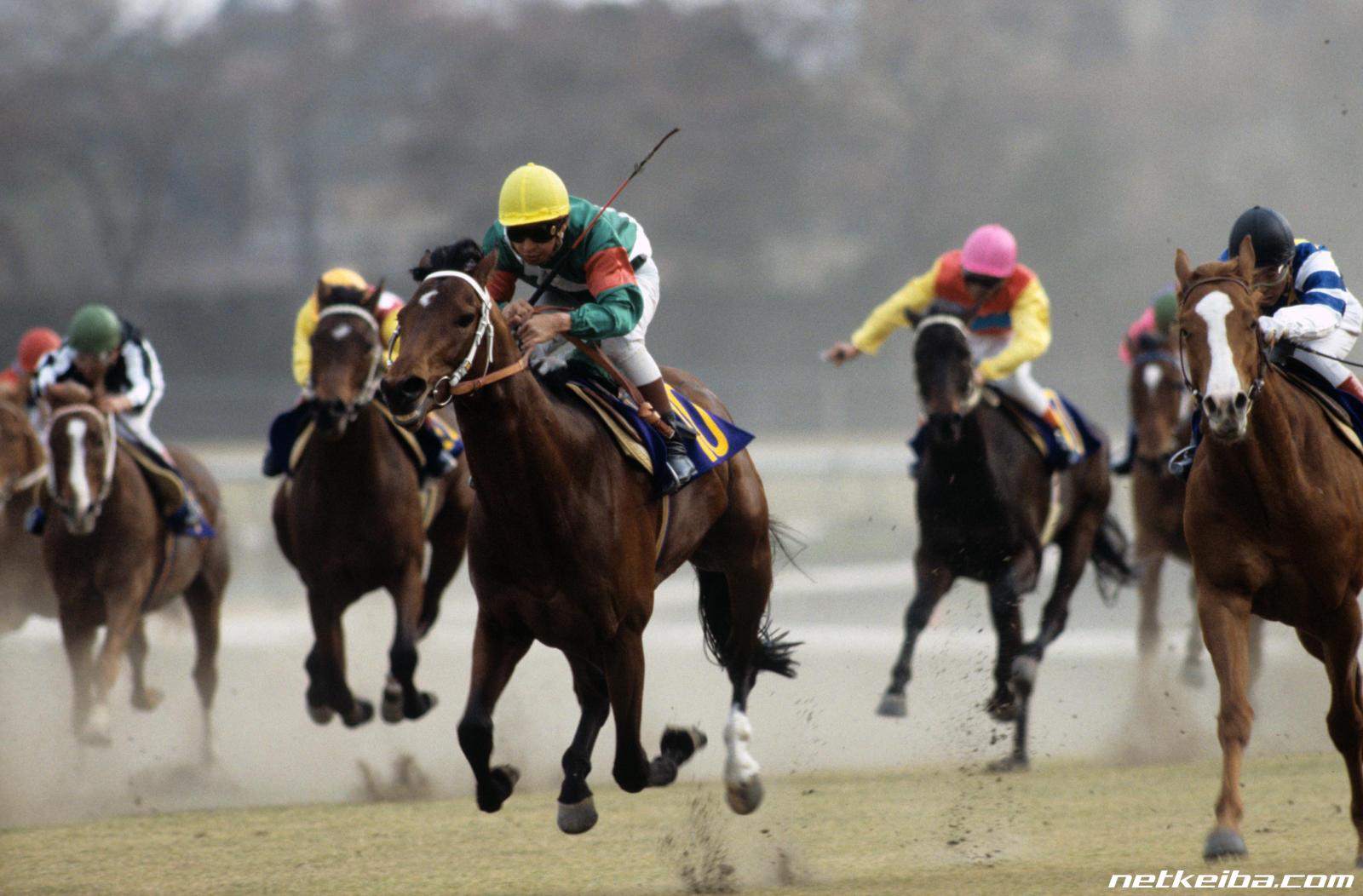
Six weeks later, the challenge changed from Nakayama’s 2,000 metres to the 2,400 metres of the Tokyo Yushun, or Japanese Derby. Symboli Rudolf again started as favourite under Okabe and won, with Suzu Mach finishing second. By adding the Derby to the Satsuki Sho, he had secured the first two stages of Japan’s three-year-old Triple Crown and demonstrated that the longer Tokyo distance posed no obstacle.
After the spring campaign, he returned in the St. Lite Kinen at Nakayama on 30 September. The 2,200-metre Grade 3 served as his autumn bridge to the longest Classic, and he won from Onward Cameroun.
Completing the Triple Crown
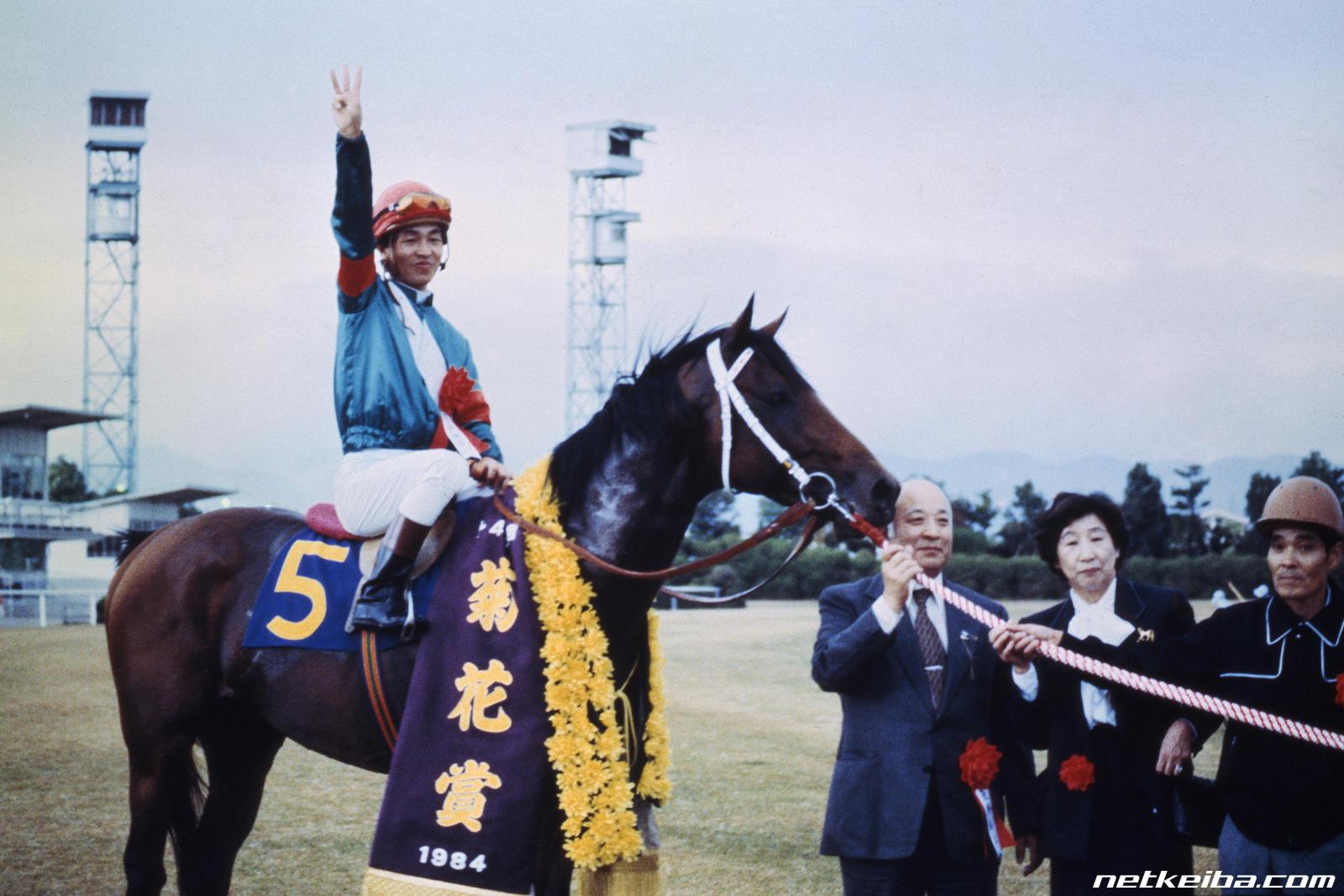
The Kikuka Sho at Kyoto on 11 November required Symboli Rudolf to stretch to 3,000 metres. He defeated Gold Way to complete the sweep of the Satsuki Sho, Tokyo Yushun and Kikuka Sho, becoming Japan’s fourth Triple Crown champion.
Only two weeks later, he met older and international competition in the Japan Cup at Tokyo. The 2,400-metre contest brought his winning sequence to an end when Katsuragi Ace won and Symboli Rudolf finished third. It was his first placing outside the top two, but the season did not close with that defeat.
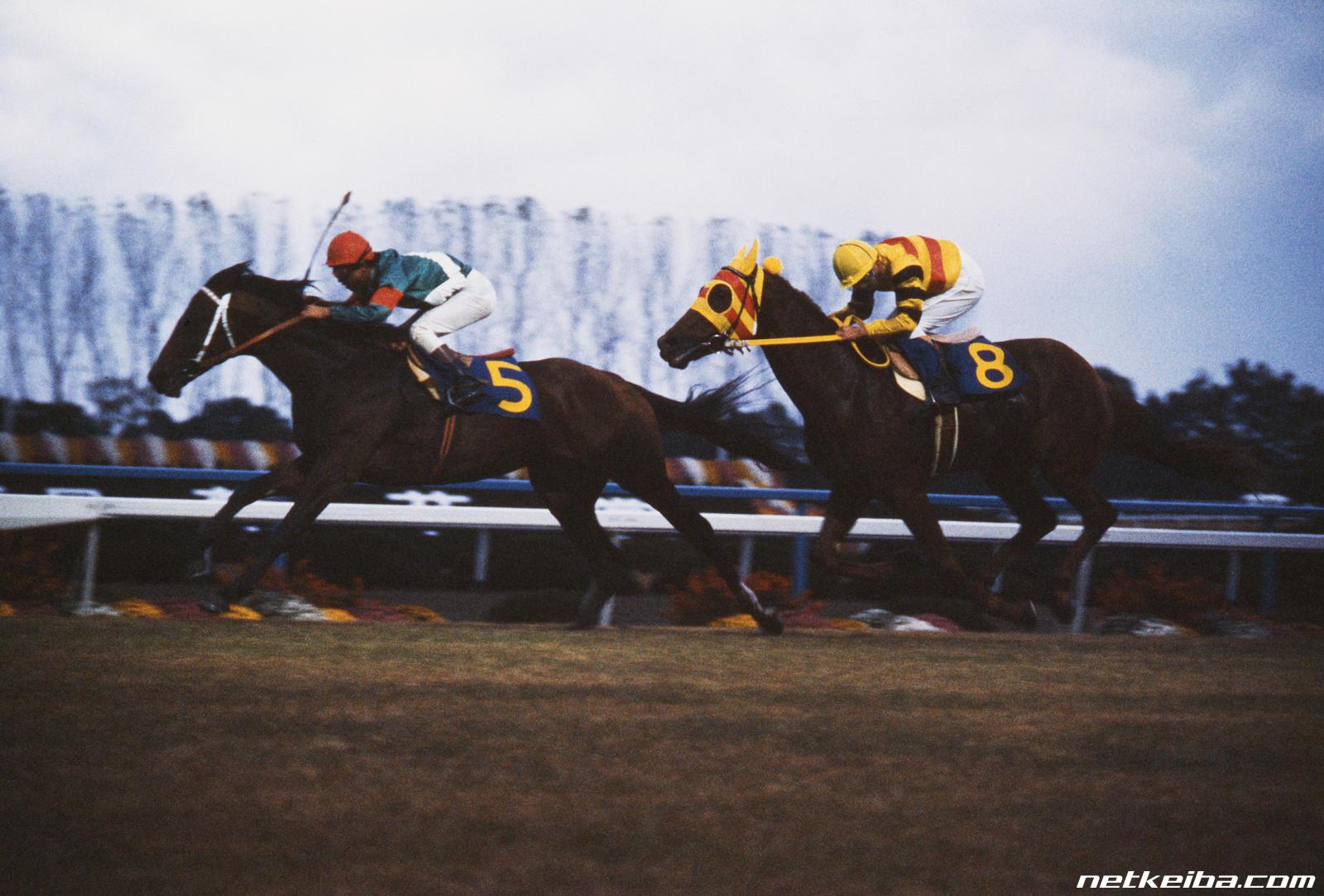
In the Arima Kinen at Nakayama on 23 December, Symboli Rudolf reversed the Japan Cup order with Katsuragi Ace. He won the 2,500-metre Grade 1, with his Japan Cup conqueror finishing second. The result capped a three-year-old season in which Symboli Rudolf won all three Classics, succeeded in his autumn trial and ended the year by defeating older competition.
The mature champion
Symboli Rudolf began 1985 at Nakayama in the Nikkei Sho on 31 March. He won the 2,500-metre Grade 2 from Kane Kuroshio, preparing for an even more severe test of stamina at Kyoto.
Tenno Sho stamina test
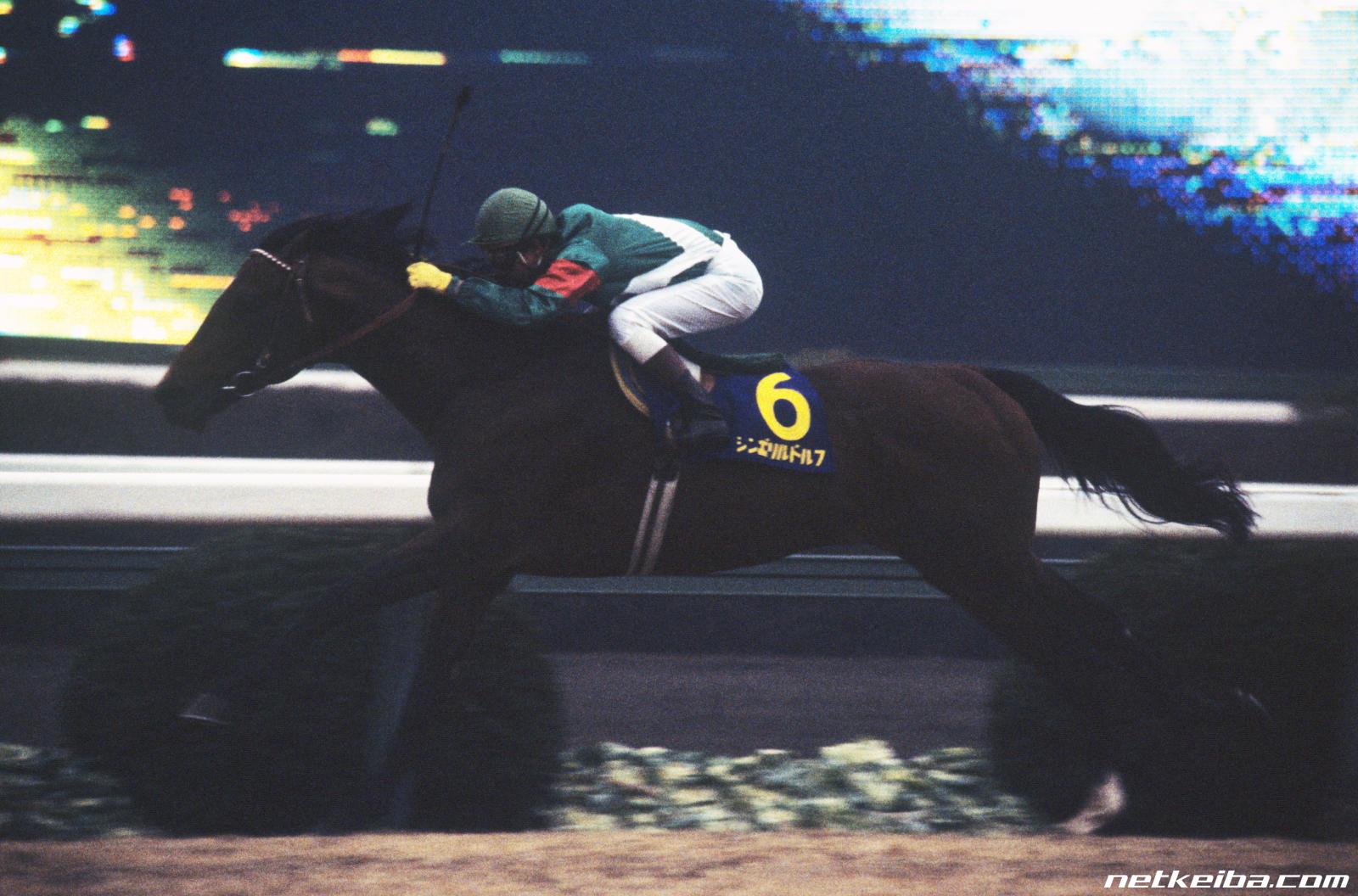
The Tenno Sho (Spring), held on 29 April, extended over 3,200 metres. Symboli Rudolf won from Sakura Gaisen, adding one of Japan’s foremost long-distance races to a record that already included major victories at 2,000, 2,400, 2,500 and 3,000 metres.
That sequence illustrated one of the central features of his career: he was not confined to a single narrow distance band. He had won over 1,600 metres as a juvenile, possessed the pace to take the 2,000-metre Satsuki Sho and later sustained his form through the longest major championship distances.
His autumn return came in the 2,000-metre Tenno Sho at Tokyo on 27 October. There he suffered the only second-place finish of his career, with Gallop Dyna defeating him. The result interrupted his run of major victories, but it was followed by two of the most consequential performances of his mature season.
Japan Cup redemption
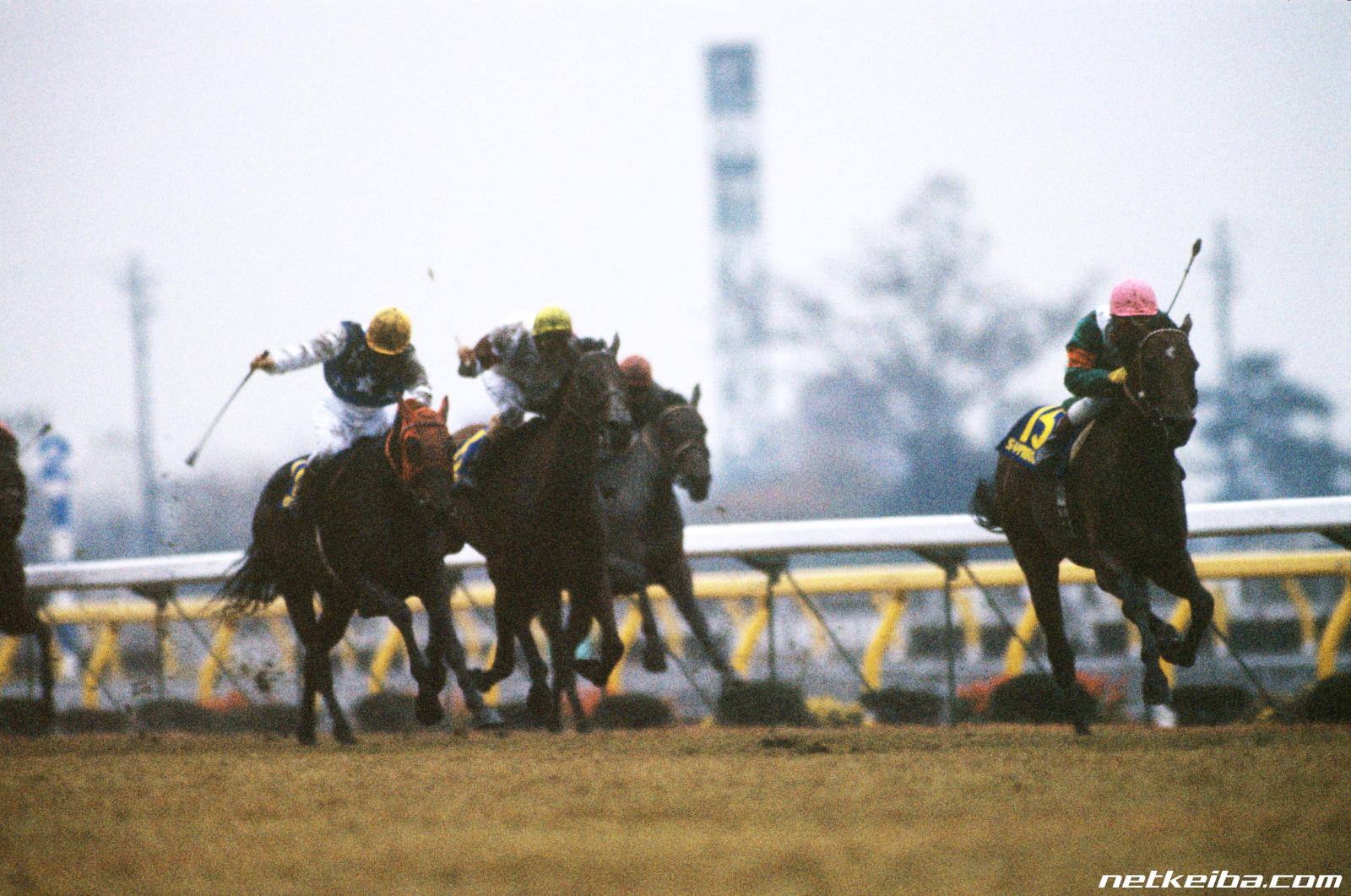
Symboli Rudolf returned to Tokyo on 24 November for his second Japan Cup. Twelve months earlier, he had finished third behind Katsuragi Ace; in 1985, racing on soft turf, he won the 2,400-metre Grade 1 under Okabe. Drawn 15 in a field of 15, he defeated Rocky Tiger.
The victory mattered both as a major international-race success and as a direct improvement on his only unplaced-in-the-first-two result from the previous season. It also reinforced his effectiveness at Tokyo, the course where he had already won the Japanese Derby.
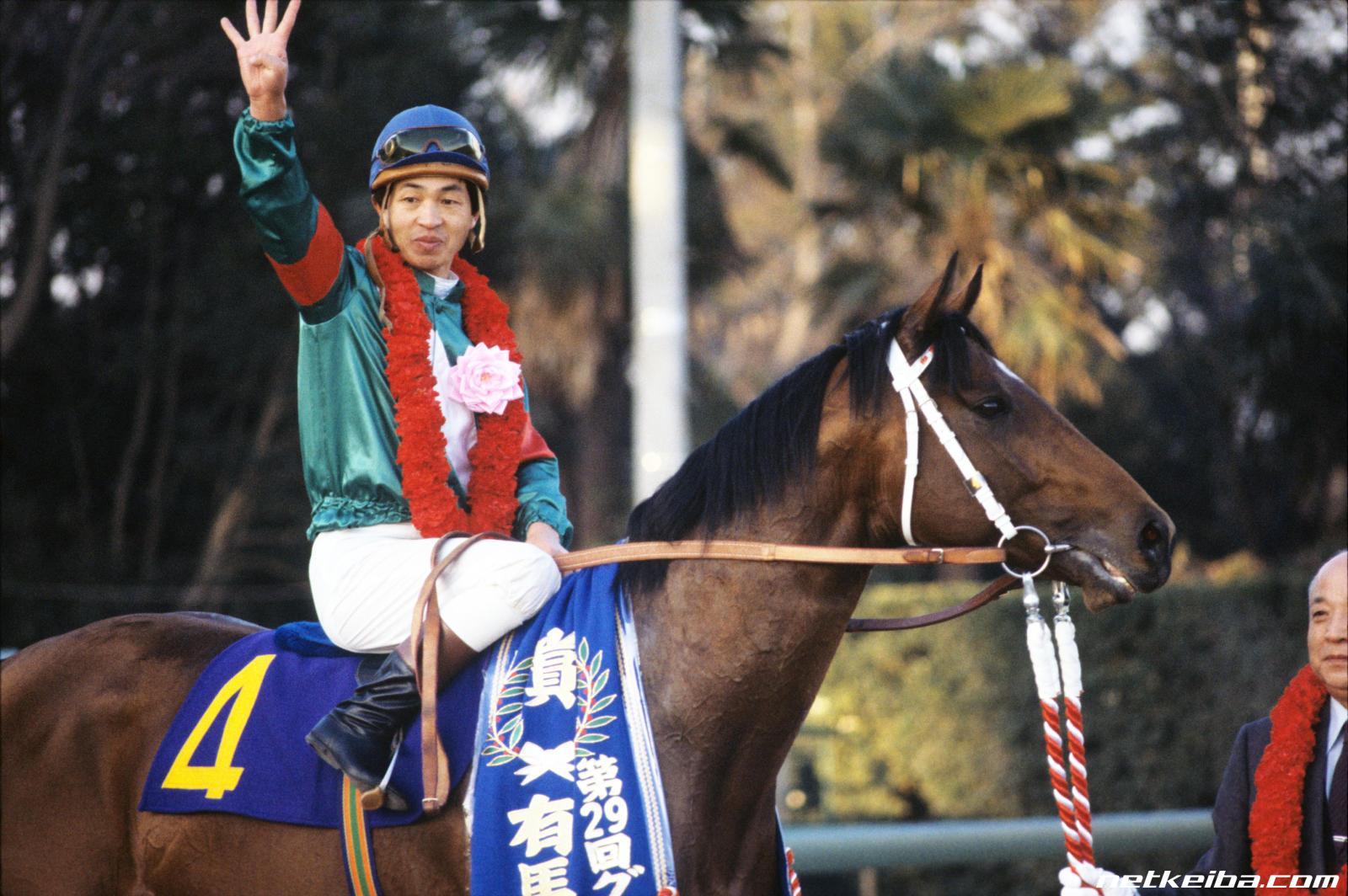
Four weeks later, Symboli Rudolf returned to Nakayama for the Arima Kinen. On good going, Okabe rode him from stall six in the ten-runner field. Symboli Rudolf defeated Miho Shinzan to retain the race and become a two-time Arima Kinen winner.
His final documented start came over 2,400 metres on 29 March 1986. He finished sixth in a seven-runner field. It was the only occasion in his 16-race career that he finished outside the first three and brought his final record to 13 wins, one second and one third.
Defining races
1984 Kikuka Sho
The Kikuka Sho completed Symboli Rudolf’s sweep of the three Japanese Classics. Its 3,000-metre distance also supplied the first decisive confirmation that the speed he had shown at 2,000 metres and the balance required at Derby distance could be carried into a major stamina test. The victory established him as the fourth Japanese Triple Crown champion.
1984 Arima Kinen
His first Arima Kinen followed closely after defeat in the Japan Cup. By defeating Katsuragi Ace—the horse who had beaten him at Tokyo—Symboli Rudolf ended his exceptional three-year-old campaign with a victory over older opposition. It was more than another Grade 1 success: it showed that the Japan Cup setback had not diminished his form.
1985 Tenno Sho (Spring)
At 3,200 metres, the spring Tenno Sho was the longest major victory of his career. Coming after his Classic season, it demonstrated that Symboli Rudolf had progressed from champion three-year-old to an elite older horse capable of excelling in Japan’s leading staying event.
1985 Japan Cup
Symboli Rudolf’s second attempt at the Japan Cup delivered the result that had eluded him in 1984. He overcame the outside draw in a 15-horse field and soft turf to win under Okabe. The performance gave his four-year-old campaign a defining international-race victory and preceded his successful Arima Kinen defence.
Connections and racing range
Symboli Rudolf’s career was shaped by continuity. Symboli Bokujo bred and owned him, Yuji Nohira trained him at Miho, and Yukio Okabe was the jockey most closely identified with his major achievements. Okabe rode him in the Satsuki Sho and Japanese Derby and was aboard for his 1985 Japan Cup and Arima Kinen victories.
The horse’s results support his reputation for versatility. He won at Tokyo, Nakayama and Kyoto, and his principal victories covered the full arc from the 2,000-metre Satsuki Sho through the 3,200-metre Tenno Sho. His career earnings totalled ¥684.82 million.
Retirement and legacy
After racing, Symboli Rudolf entered stud and sired 698 recorded progeny. Collectively, his offspring earned 378 JRA victories, with 11 JRA graded-stakes winners and four JRA Grade 1 winners among them.
Tokai Teio stands out among his leading progeny, extending Symboli Rudolf’s influence beyond his own era on the racecourse. Through that stud record, his legacy joined two distinct forms of achievement: a racing career built around the Triple Crown and sustained older-horse success, and a breeding career that produced winners at the highest level.
Symboli Rudolf died on 4 October 2011 at the age of 30. His record remains a compact but exceptional one: 13 victories from only 16 appearances, three Classic wins in one season, success in both major staying races and top-level victories against older competition in consecutive editions of the Arima Kinen.
More photographs
IRL image archive
6 more images
| Date | Race | Grade | Course | Going | Dist | Pos | Draw | Jockey | Wgt | SP | Time |
|---|---|---|---|---|---|---|---|---|---|---|---|
| 1986-03-29 |
G1
|
- | None (JP) | Good | 2400 m | 6 | 1 | Y.Okabe | 57.2 kg | 0.0 | - |
| 1985-12-22 |
Arima Kinen
|
G1 | Nakayama (JP) | Good | 2500 m | 1 | 6 | Y.Okabe | 57.0 kg | 1.2 | 2:33.1 |
| 1985-11-24 |
Japan Cup
|
G1 | Tokyo (JP) | Soft | 2400 m | 1 | 15 | Y.Okabe | 57.0 kg | 2.7 | 2:28.8 |
| 1985-10-27 |
Tenno Sho (Autumn)
|
G1 | Tokyo (JP) | - | 2000 m | 2 | - | - | - | - | - |
| 1985-04-29 |
Tenno Sho (Spring)
|
G1 | Kyoto (JP) | - | 3200 m | 1 | - | - | - | - | - |
| 1985-03-31 |
Nikkei Sho
|
G2 | Nakayama (JP) | - | 2500 m | 1 | - | - | - | - | - |
| 1984-12-23 |
Arima Kinen
|
G1 | Nakayama (JP) | - | 2500 m | 1 | - | - | - | - | - |
| 1984-11-25 |
Japan Cup
|
G1 | Tokyo (JP) | - | 2400 m | 3 | - | - | - | - | - |
| 1984-11-11 |
Kikuka Sho
|
G1 | Kyoto (JP) | - | 3000 m | 1 | - | - | - | - | - |
| 1984-09-30 |
St. Lite Kinen
|
G3 | Nakayama (JP) | - | 2200 m | 1 | - | - | - | - | - |
| 1984-05-27 |
Japanese Derby
|
G1 | Tokyo (JP) | - | 2400 m | 1 | - | - | - | - | - |
| 1984-04-15 |
Satsuki Sho
|
G1 | Nakayama (JP) | - | 2000 m | 1 | - | - | - | - | - |
| 1984-03-04 |
Yayoi Sho
|
G3 | Nakayama (JP) | - | 2000 m | 1 | - | - | - | - | - |
| 1983-10-29 |
いちょう特別 400万下
|
- | Tokyo (JP) | - | 1600 m | 1 | - | - | - | - | - |
Citations
Race Result Sources
AI Race Import 2026-07-26 20:06 UTC
Imported and enriched race results from supported racing sources.
- Stored profile summary says 16 starts, but imported source rows resolved 14. Check whether the profile summary needs correcting.
AI Race Import 2026-07-26 19:40 UTC
Imported and enriched race results from supported racing sources.
- Stored profile summary says 16 starts, but imported source rows resolved 14. Check whether the profile summary needs correcting.
AI Race Import 2026-06-11 10:06 UTC
Imported and enriched race results from supported racing sources.
AI Race Import 2026-06-11 09:00 UTC
Imported and enriched race results from supported racing sources.