
Tagged archive appearances and discovered media already linked to this draft.
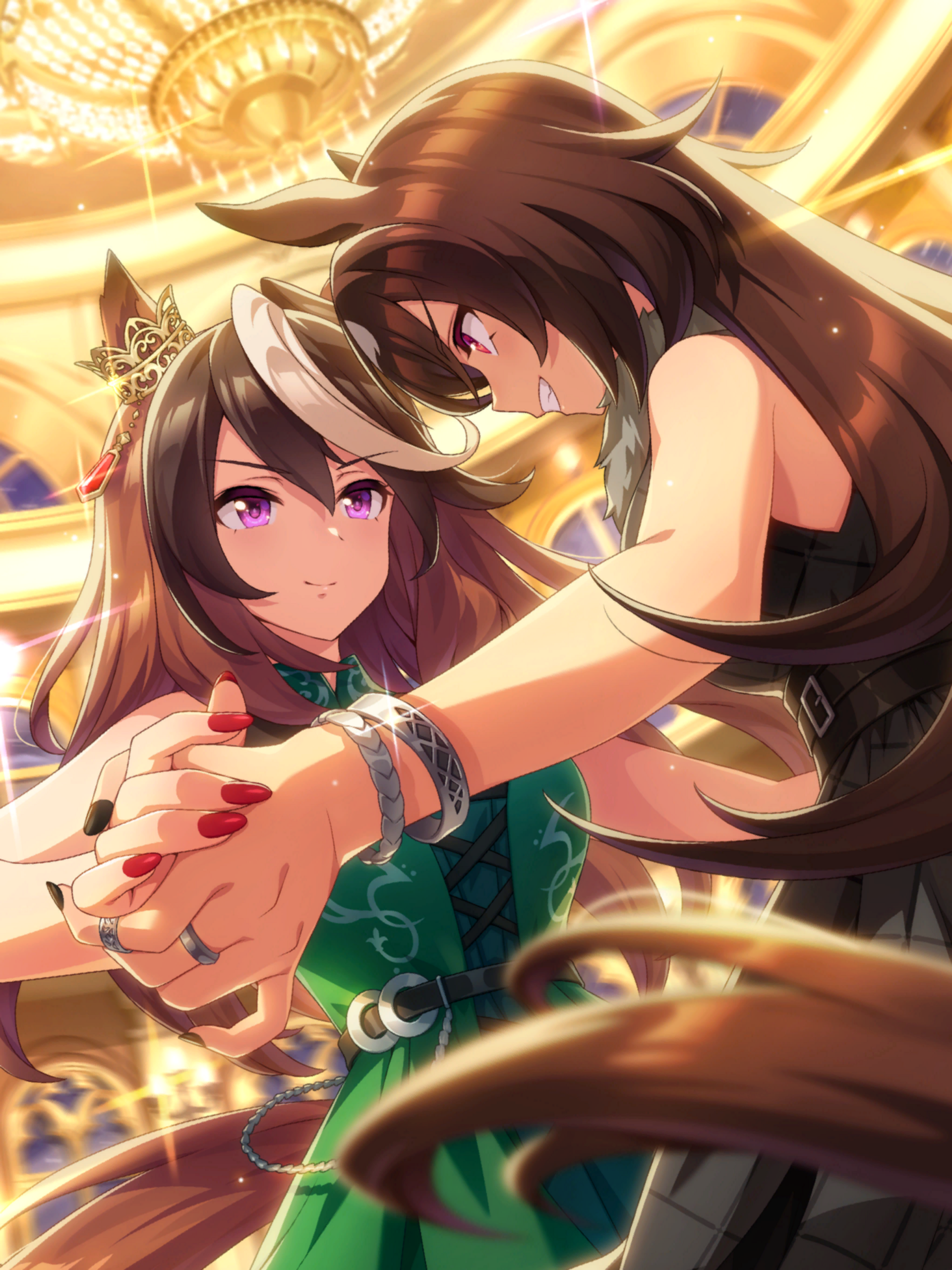


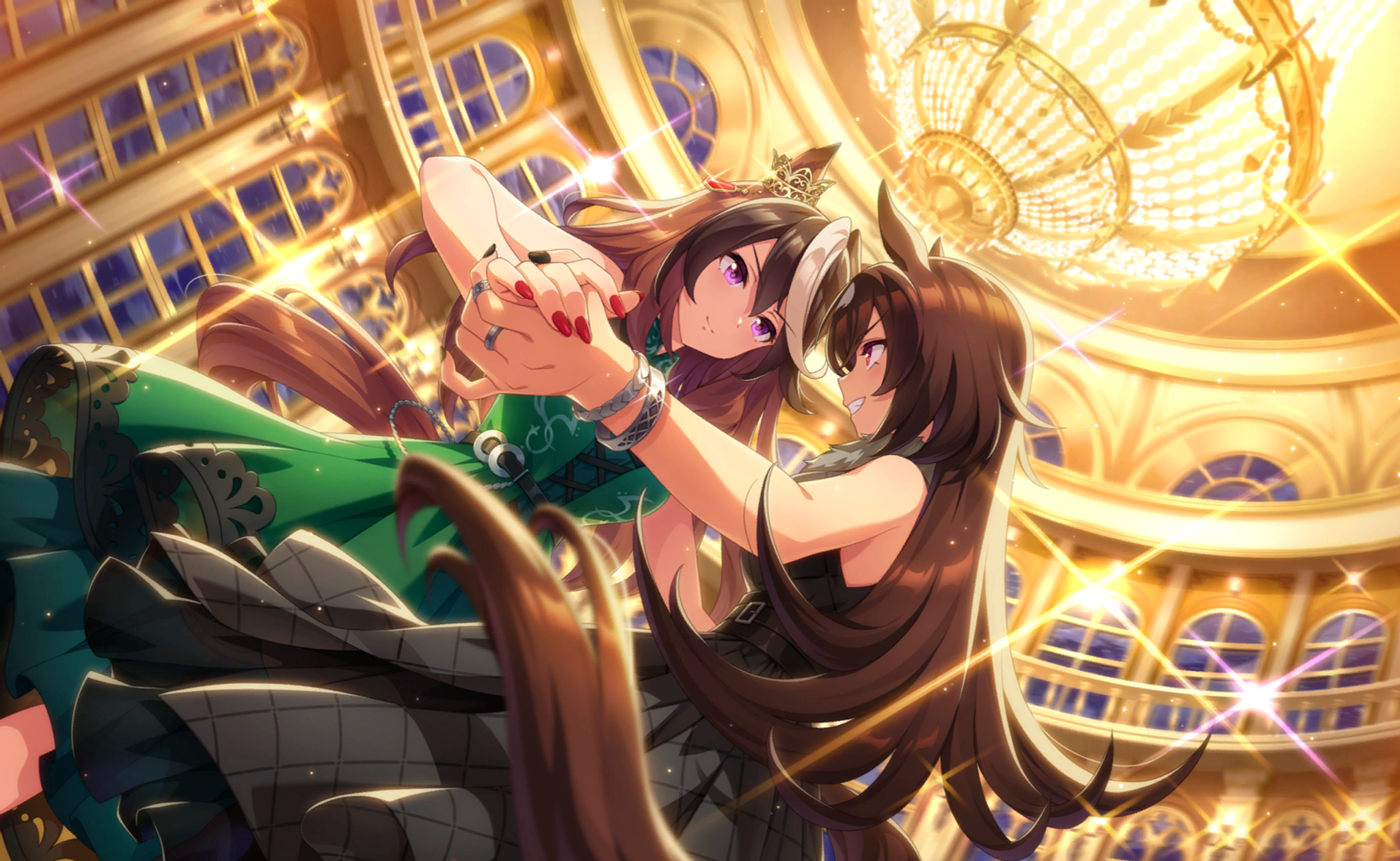

AI-assisted profile
This established AI-assisted profile remains public while it moves through UmaArchive's newer editorial validation process.
This page uses the persisted profile copy. New research cannot alter its public text until an editor reviews and publishes the change.
Sirius Symboli carries herself with the kind of presence that makes “top spot” sound less like a dream and more like a demand. A Senior Division Uma Musume known simply as Sirius, she has an unmistakably sharp edge in her official introduction: “Quit your nagging! The top spot ...” Even in that fragment, the mood is clear. She comes across as proud, driven, and not especially interested in being fussed over while she aims high.
That boldness shows up in the finer details too. She refers to herself as Watashi, but the way she addresses her trainer—Puppy, Anta, or simply Trainer—adds a teasing, slightly provocative streak to her image. It gives Sirius a lively push-and-pull quality: poised enough to feel elegant, but never so distant that she becomes cold. There is personality packed even into her official profile trivia; asked for her weight, the answer is just “Not interested.” It is a small detail, but an expressive one, and very much in character for someone who seems to prefer momentum over explanation.
Physically, Sirius Symboli cuts a tall, striking figure at 167 cm, with a listed shoe size of 25 cm. She lives in Miho Dormitory, where her roommate is Nakayama Festa—a pairing that the available notes describe as especially fitting. The two are noted as friends and kindred spirits who enjoy games together, with Nakayama Festa also listed among Sirius’s stablemates. It is one of the clearest glimpses of her personal world: beneath the hard-charging exterior is someone who has found a companion on the same wavelength.
Her broader relationship circle places her in notable company. Symboli Rudolf and Speed Symboli are listed among her related Umas, while Symboli Rudolf and Mejiro Ramonu appear as rivals. That combination alone gives Sirius a dramatic orbit: she is framed by strong names, competitive tension, and a sense that she belongs in big-company matchups. Add in Fairouz Ai as her voice actor, and the overall impression is of a character built to feel commanding, vivid, and impossible to ignore.
A few quick profile notes:
- Birthday: March 26
- Class: Senior Division
- Dorm: Miho Dormitory
- Roommate: Nakayama Festa
- Nickname: Sirius
- Voice actor: Fairouz Ai
Tagged archive appearances and discovered media already linked to this draft.
Touch fallback
Sirius SymboliTouch and smaller layouts use grouped connection cards instead of the live radar. Open any entry to follow the relationship directly.
Same races
2 shared rivals
1 profile
2 profiles
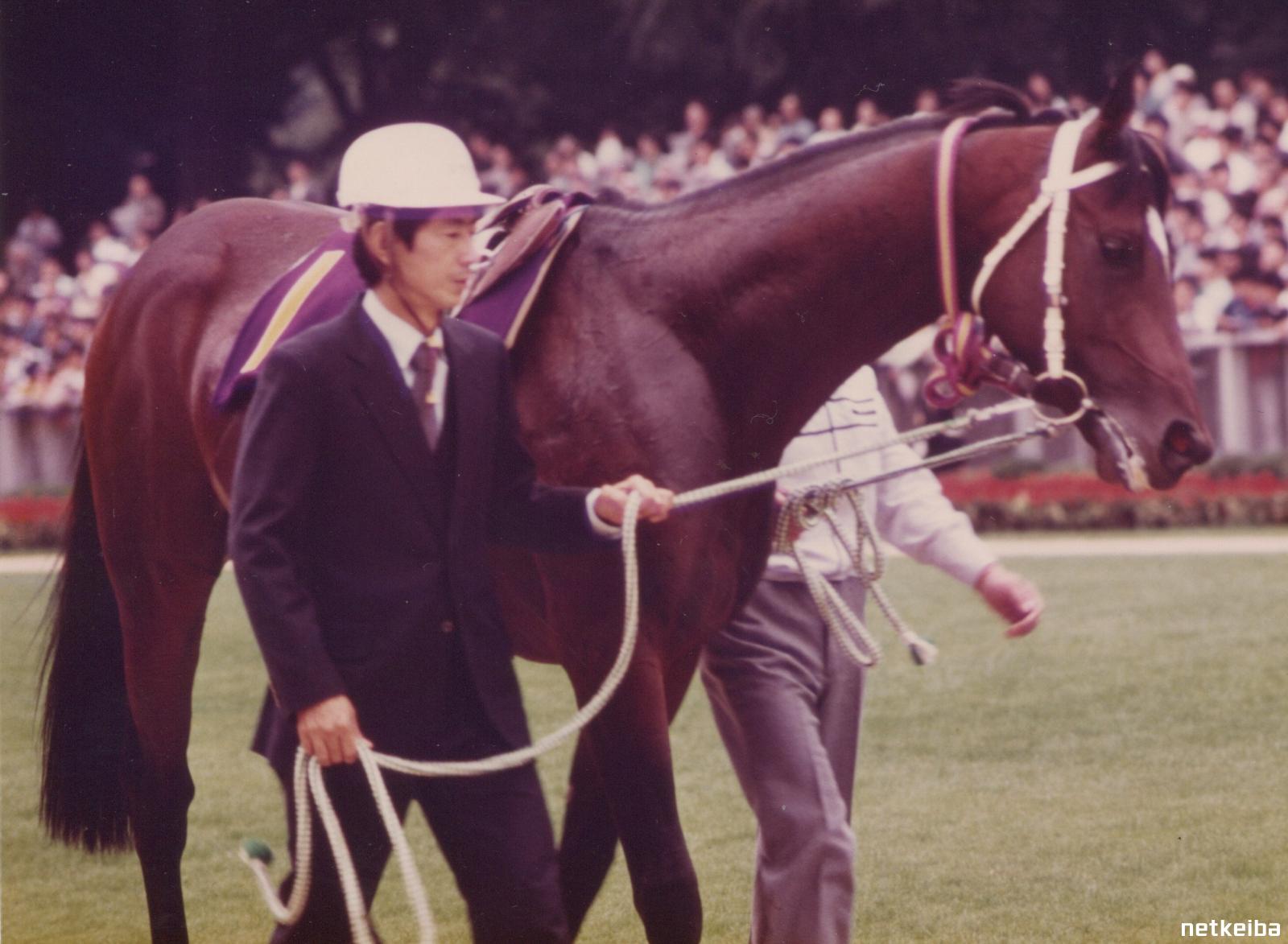
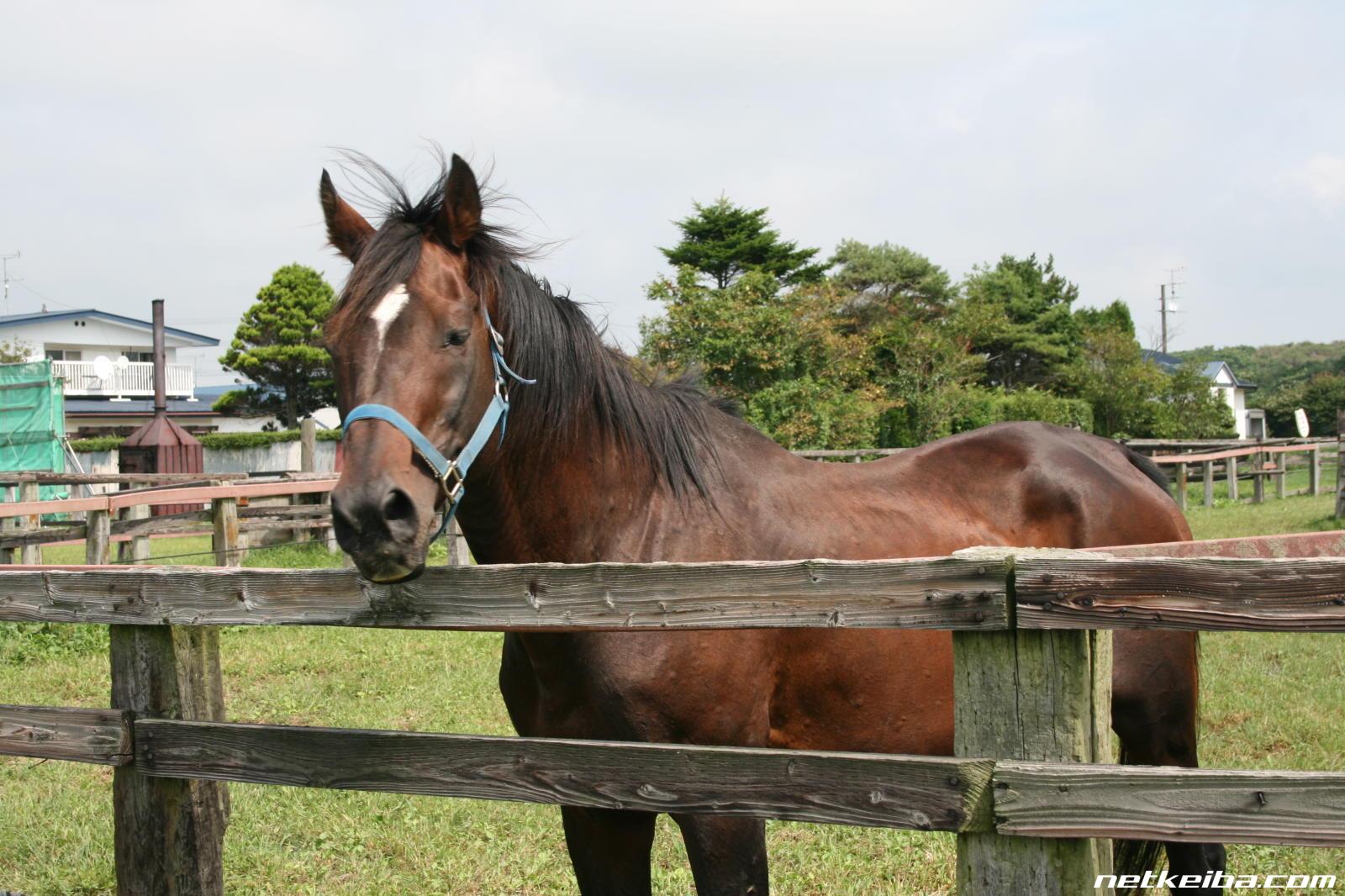
Sirius Symboli was a bay Japanese Thoroughbred stallion foaled on 26 March 1982, a son of Mogami out of Sweet Epsom, by Partholon. He was bred by Symboli Stud and trained at Miho by Toshio Nihonyanagi, racing in the colours of Tomohiro Wada. His pedigree blended European influence through Mogami, a son of Lyphard, with a dam line that also produced siblings including Symboli Reve, Yuwa Sweet, and Sweet Agnes.
Career at a glance
Featured races
Finished 1st · G1 · at Tokyo · over 2400m · Tokyo (JP)
Finished 1st · Maiden · at Nakayama · over 1600m · Nakayama (JP)
Finished 1st · OP · at Nakayama · over 2200m · Nakayama (JP)
At a glance
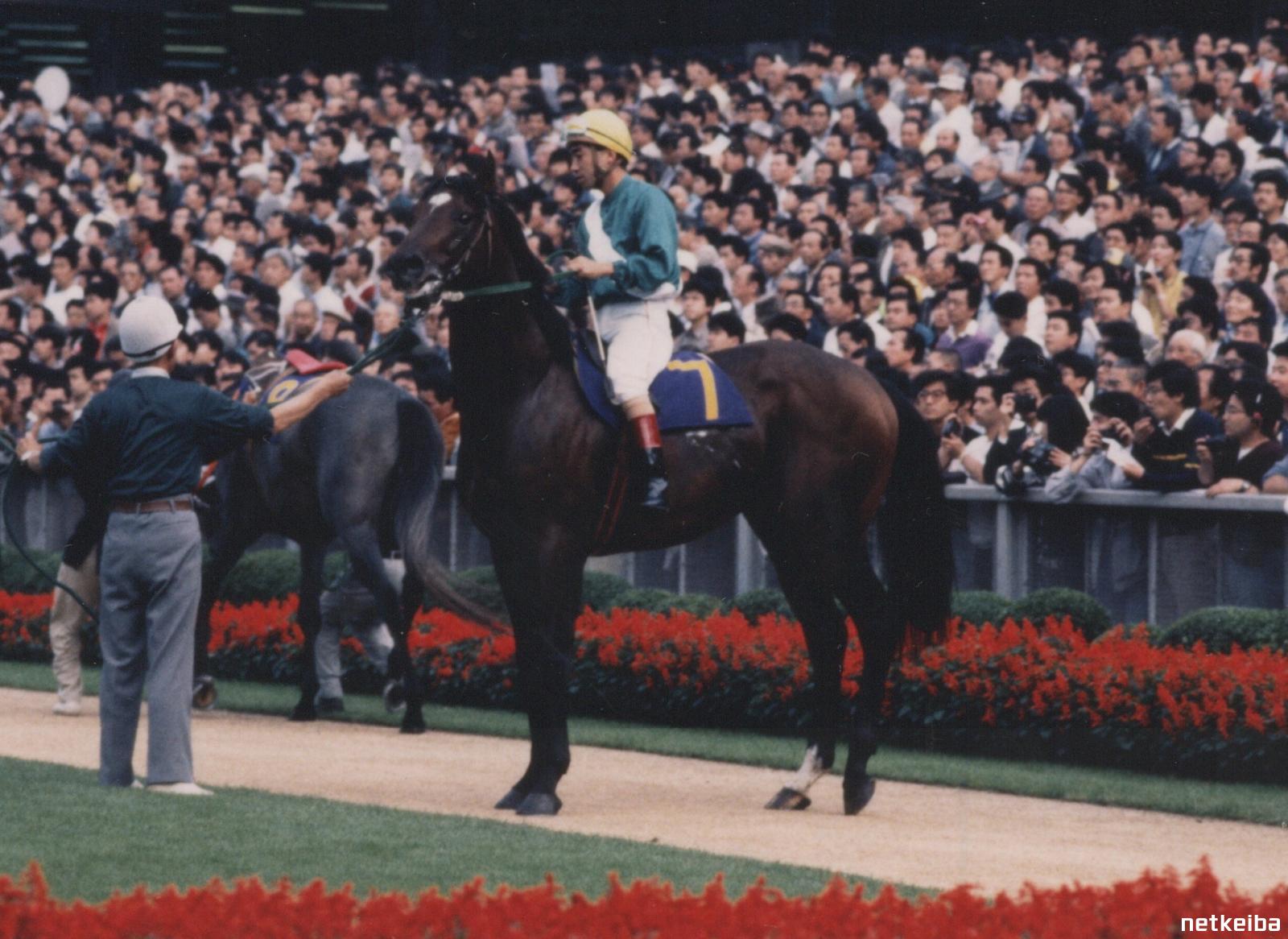
He was not a high-volume winner, but his career was defined by one of the sport’s most important prizes. From 22 starts he won four races and earned ¥108.70 million in JRA prize money. His signature performance came in the 1985 Tokyo Yushun, better known as the Japanese Derby, when he captured the 2400-metre classic at Tokyo on 26 May 1985. Netkeiba’s record shows him starting as the race favourite and winning under K. Kato, a result that secured his place among Derby-winning colts of his generation.
That Derby triumph is the clear centrepiece of Sirius Symboli’s racing story. However uneven the rest of his record may look on paper, winning the Japanese Derby gives a horse a permanent place in Japanese racing history, and Sirius Symboli achieved that distinction for trainer Toshio Nihonyanagi’s Miho stable. Later appearances in top-level company showed he remained active beyond his classic season, even if he did not add another Grade 1 victory to his résumé.
After retirement from racing, Sirius Symboli entered stud. His sire record was modest rather than headline-making: available figures credit him with 248 progeny, whose combined totals included 46 JRA wins and 175 wins overall. He did sire at least one JRA stakes winner, though he did not leave behind a JRA Grade 1 winner. Even so, like many classic winners, he carried lasting value through his place in the breed and through the prestige attached to a Derby-winning name.
Sirius Symboli died on 8 April 2012. His legacy rests above all on that classic success in Tokyo: a colt from the Mogami–Sweet Epsom cross who rose to win the Japanese Derby, ensuring that his name remains part of the historical record of Japanese Thoroughbred racing.
More photographs
1 more image
| Date | Race | Grade | Course | Going | Dist | Pos | Draw | Jockey | Wgt | SP | Time |
|---|---|---|---|---|---|---|---|---|---|---|---|
| 1988-10-30 |
Tenno Sho (Autumn)
|
G1 | Tokyo (JP) | Good | 2000 m | 7 | 10 | K.Kato | 58.0 kg | 14.2 | 2:00.3 |
| 1988-10-09 |
Mainichi Okan
|
G2 | Tokyo (JP) | Good to Soft | 1800 m | 2 | 7 | K.Kato | 59.0 kg | 11.1 | 1:49.4 |
| 1988-08-21 |
Hakodate Kinen
|
G3 | Hakodate (JP) | Good | 2000 m | 4 | 4 | K.Kato | 59.0 kg | 4.6 | 1:59.0 |
| 1988-08-07 |
Seikan Tunnel Kaitsu Kinen
|
OP | Hakodate (JP) | Firm | 1800 m | 2 | 3 | K.Kato | - | 4.9 | 1:46.3 |
| 1987-11-01 |
Tenno Sho (Autumn)
|
G1 | Tokyo (JP) | Soft | 2000 m | 9 | 5 | K.Kato | - | 7.5 | 2:01.4 |
| 1987-10-11 |
Mainichi Okan
|
G2 | Tokyo (JP) | Firm | 1800 m | 8 | 1 | K.Kato | - | 6.0 | 1:47.0 |
| 1987-05-03 |
Prix Ganay
|
G1 | France (JP) | - | 2100 m | 7 | 6 | M.Philipperon | - | - | - |
| 1987-04-12 |
Prix d'Harcourt
|
G2 | France (JP) | - | 2000 m | 7 | 7 | M.Philipperon | - | - | - |
| 1987-03-28 |
Prix Edmond Blanc
|
G3 | France (JP) | - | 1600 m | 4 | 5 | M.Philipperon | - | - | - |
| 1986-10-19 |
Prix du Conseil de Paris
|
G2 | France (JP) | - | 2400 m | 4 | 2 | M.Philipperon | - | - | - |
| 1986-10-06 |
Prix de l'Arc de Triomphe
|
G1 | France (JP) | - | 2400 m | 14 | 8 | M.Philipperon | - | - | - |
| 1986-09-14 |
Prix Foy
|
G3 | France (JP) | - | 2400 m | 2 | 1 | M.Philipperon | - | - | - |
| 1986-08-16 |
Prix Gontaut-Biron
|
G3 | France (JP) | - | 2000 m | 4 | 6 | E.Legrix | - | - | - |
| 1986-06-08 |
Gran Premio di Milano
|
G1 | Italy (JP) | - | 2400 m | 5 | - | G.Mosse | - | - | - |
| 1986-05-06 |
Prix Sea Sick
|
OP | France (JP) | - | 2000 m | 3 | 4 | E.Legrix | - | - | - |
| 1986-04-20 |
Prix d'Hédouville
|
G3 | France (JP) | - | 2400 m | 5 | 6 | G.Mosse | - | - | - |
| 1985-10-27 |
Prix Royal Oak
|
G1 | Longchamp (FR) | - | 3100 m | 3 | 7 | G.Mosse | - | - | - |
| 1985-09-15 |
Prix du Prince d'Orange
|
G3 | Longchamp (FR) | - | 2000 m | 6 | 2 | E.Legrix | - | - | - |
| 1985-09-01 |
Grosser Preis von Baden
|
G1 | Germany (JP) | - | 2400 m | 4 | - | Y.Okabe | - | - | - |
| 1985-07-27 |
King George VI and Queen Elizabeth Stakes
|
G1 | Uk (JP) | - | 2400 m | 8 | 13 | Y.Okabe | - | - | - |
| 1985-05-26 |
Tokyo Yushun (Japanese Derby)
|
G1 | Tokyo (JP) | - | 2400 m | 1 | 16 | K.Kato | - | 5.5 | 2:31.0 |
| 1985-03-30 |
Wakaba Sho
|
OP | Nakayama (JP) | - | 2200 m | 1 | 6 | Y.Okabe | - | 1.5 | 2:16.2 |
| 1984-11-18 |
Fuchu Sansai Stakes
|
OP | Tokyo (JP) | - | 1800 m | 1 | 4 | K.Kato | - | 1.6 | 1:50.1 |
| 1984-10-27 |
Icho Tokubetsu
|
OP | Tokyo (JP) | - | 1600 m | 2 | 6 | K.Kato | - | 2.1 | 1:34.8 |
| 1984-09-29 |
Fuyo Tokubetsu
|
OP | Nakayama (JP) | - | 1600 m | 10 | 3 | K.Kato | - | 3.4 | - |
| 1984-09-16 |
Three-Year-Old Newcomer
|
Maiden | Nakayama (JP) | - | 1600 m | 1 | 8 | K.Kato | - | 7.4 | 1:37.1 |
Citations
Imported and enriched race results from supported racing sources.


