

Uma profile

Oguri Cap


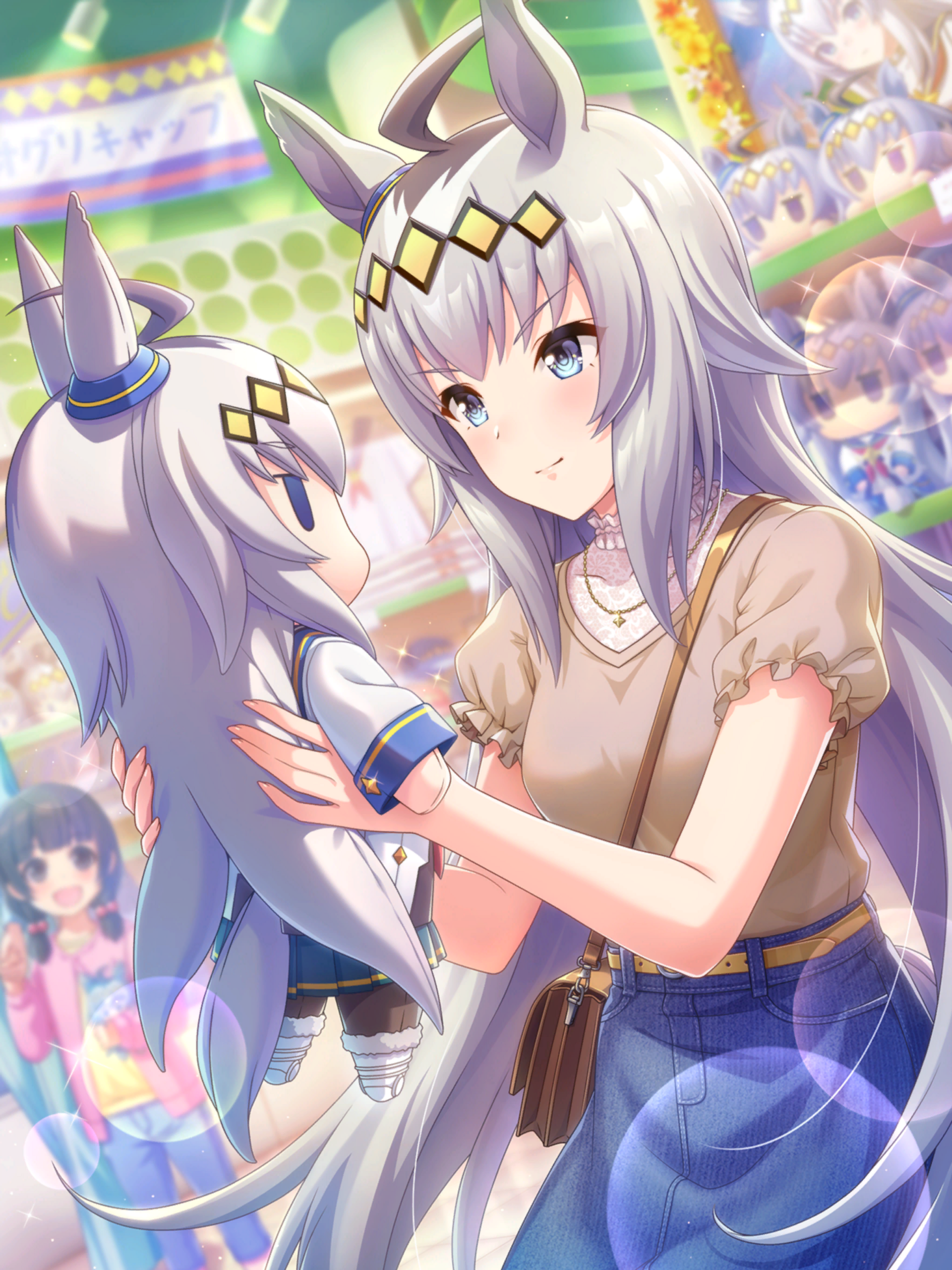
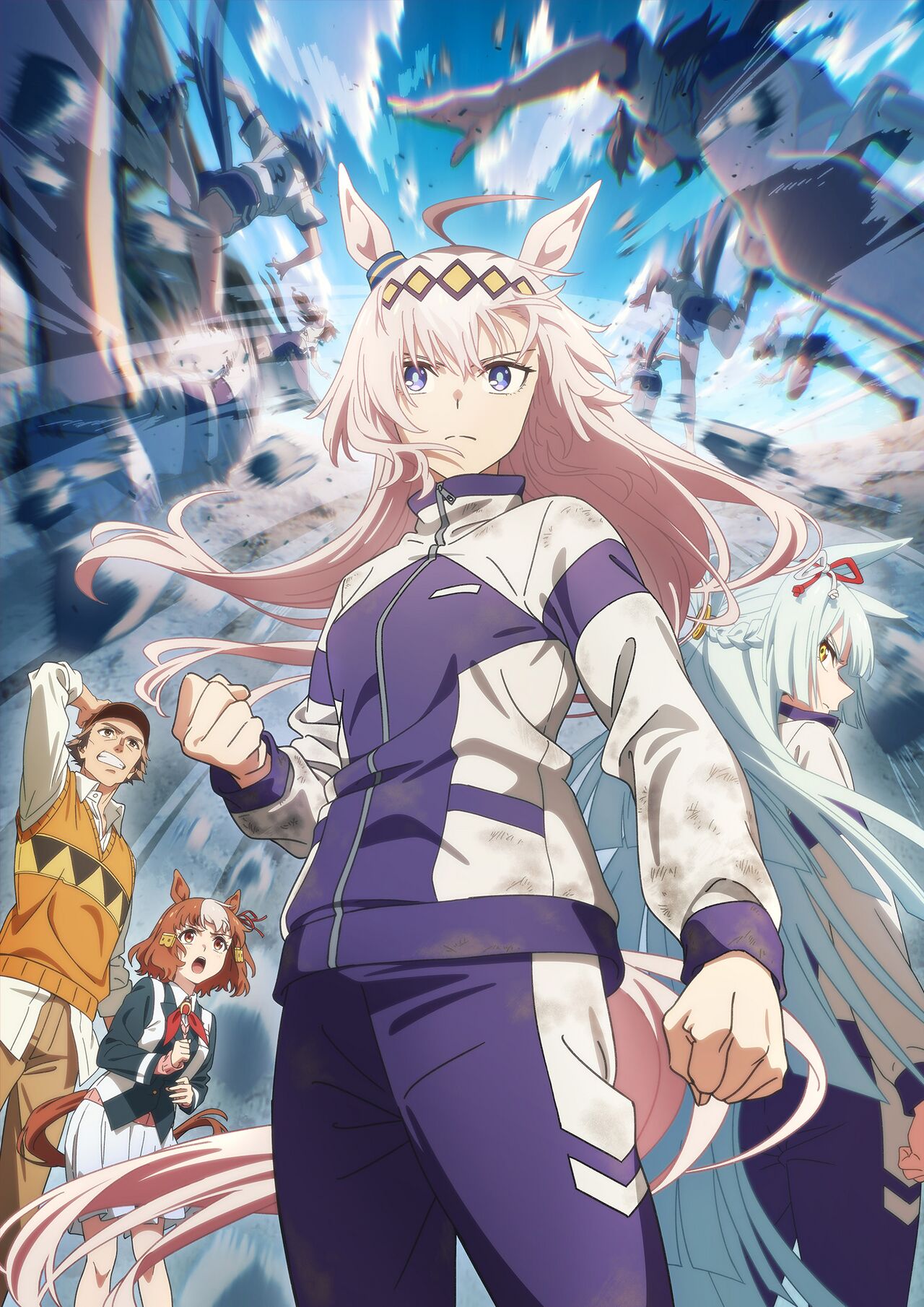
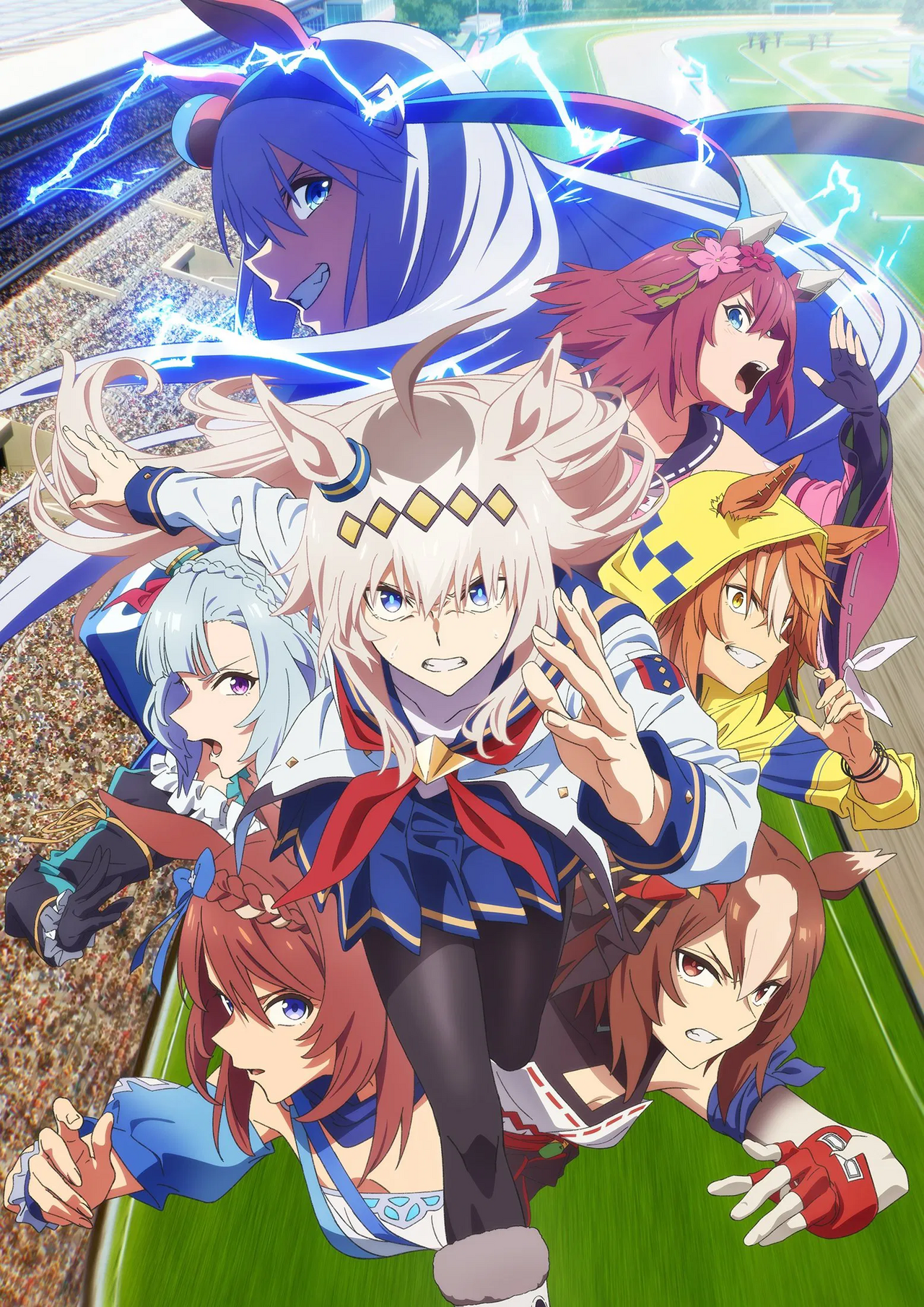
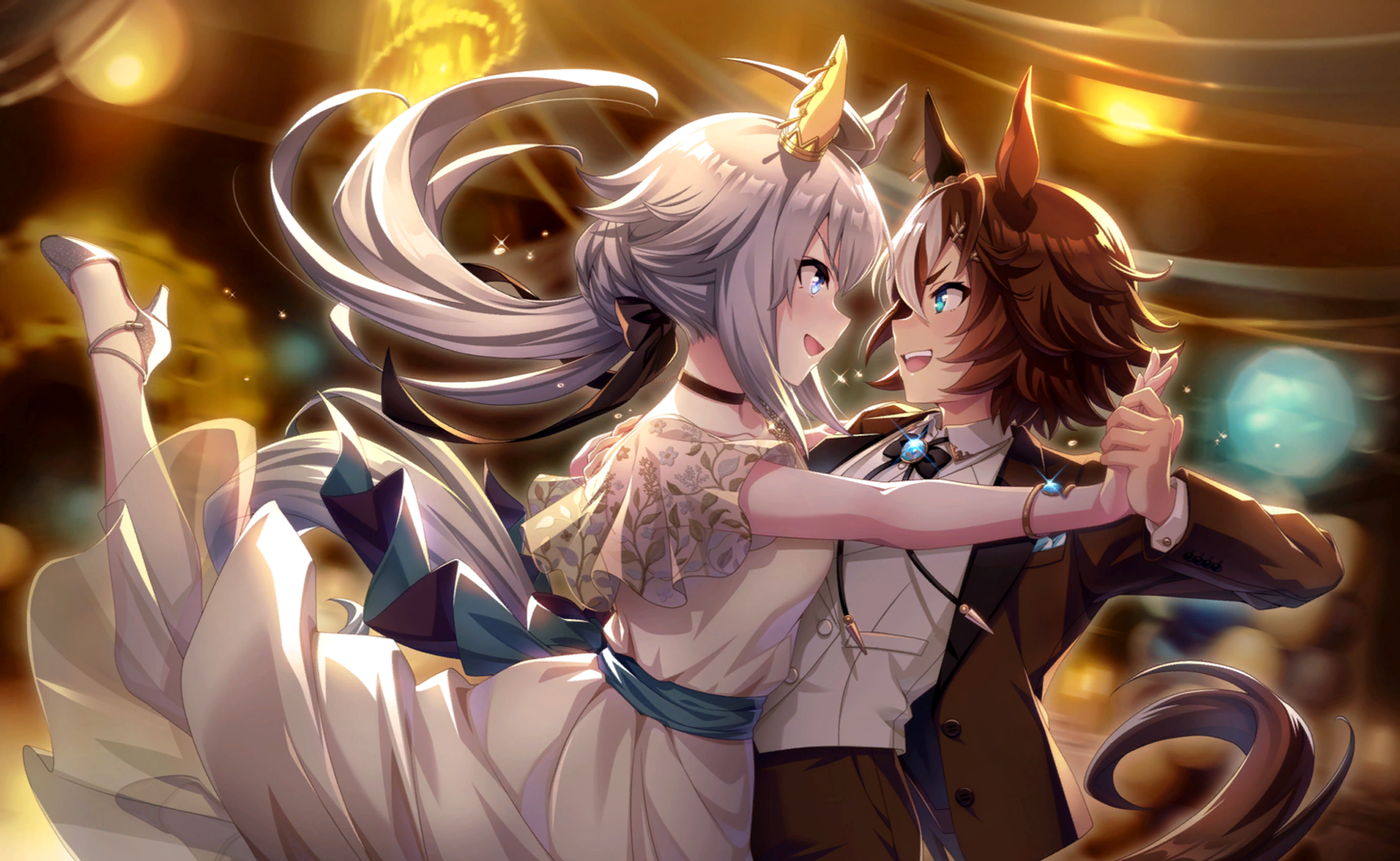
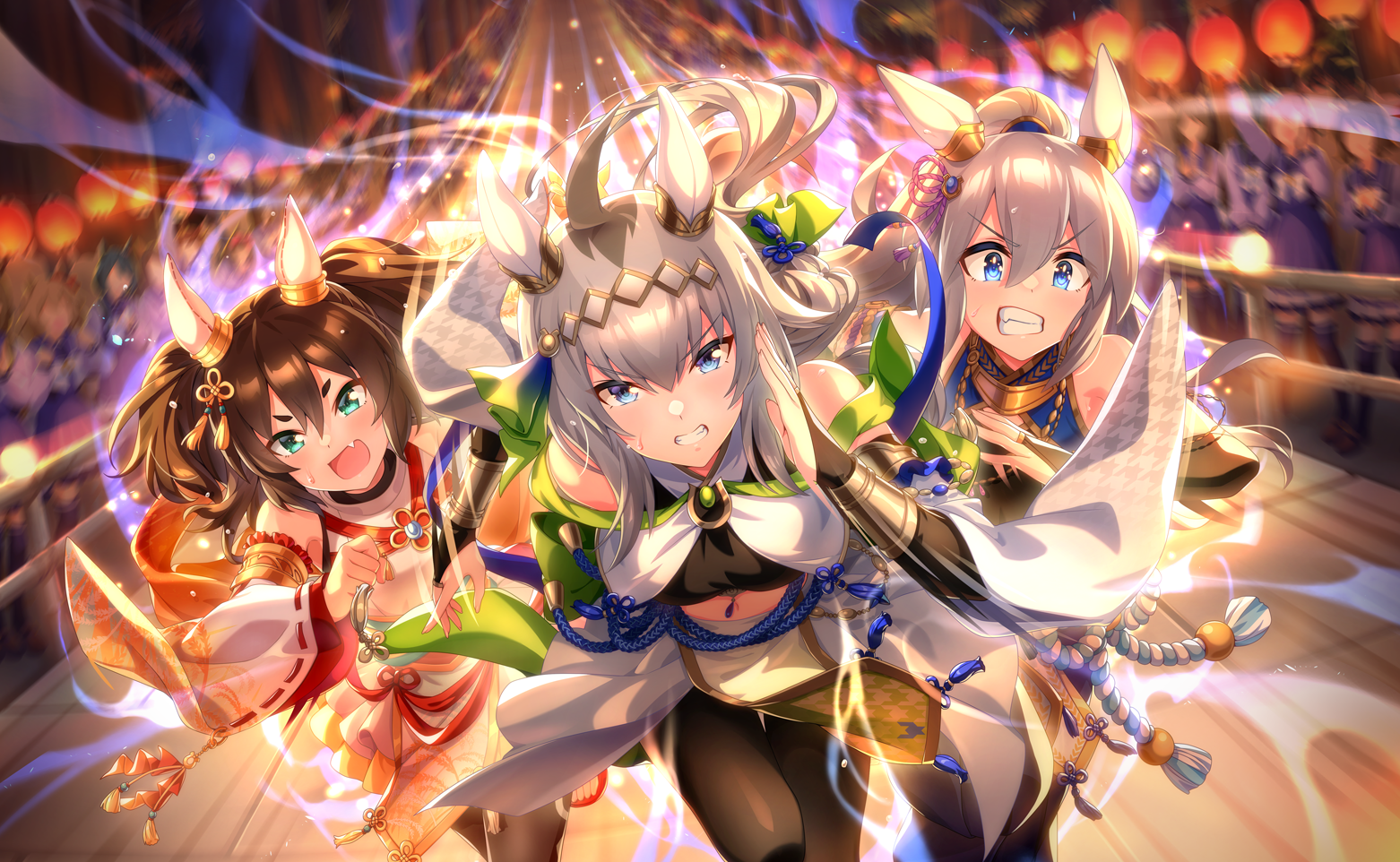
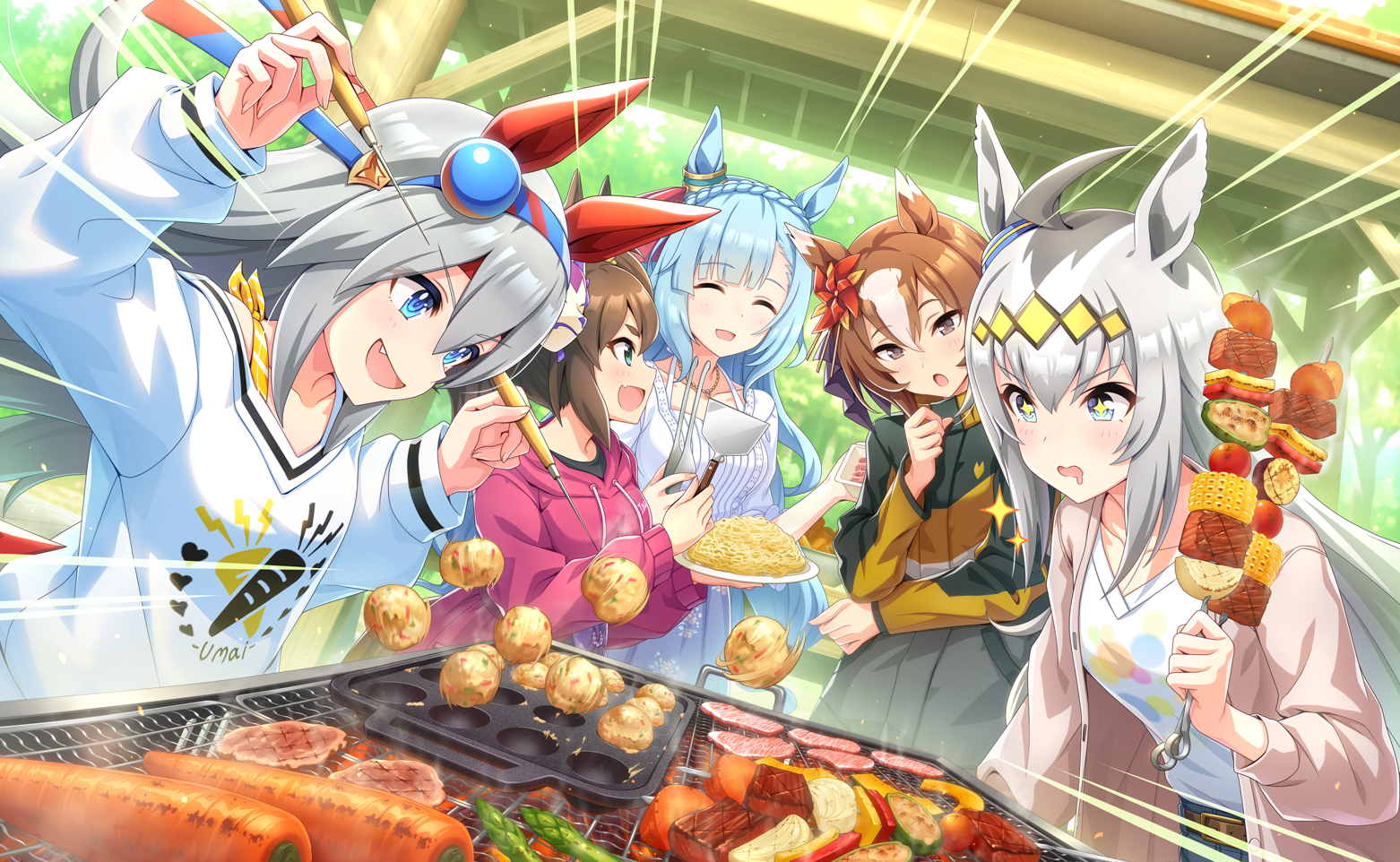
Oguri Cap is one of the most iconic and beloved Umamusume at Tracen Academy, renowned for her enormous appetite, quiet determination, and unwavering desire to become stronger. Despite her legendary status, she remains remarkably humble, preferring to let her performances on the track speak louder than words. Her straightforward nature and genuine kindness make her someone admired not only for her racing ability, but also for the person she is.
Uma Profile
Originally transferring from the regional Kasamatsu Training Center Academy, Oguri arrives at Tracen as an outsider with little knowledge of life in the national spotlight. Although many underestimate her provincial background, she quickly proves that talent and determination matter far more than reputation. This mirrors the incredible journey of the real Oguri Cap, who rose from regional racing to become one of Japan's greatest champions.
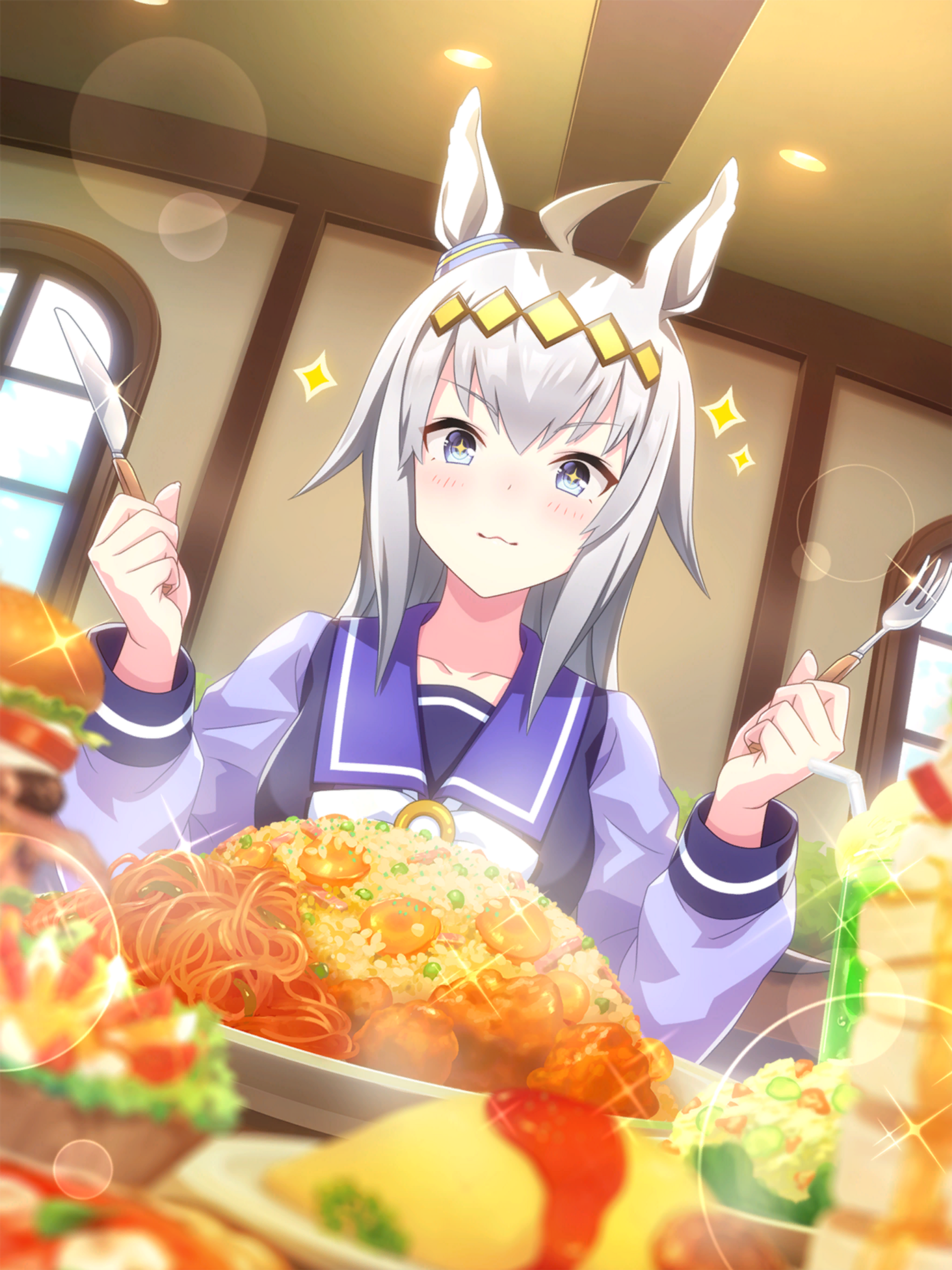
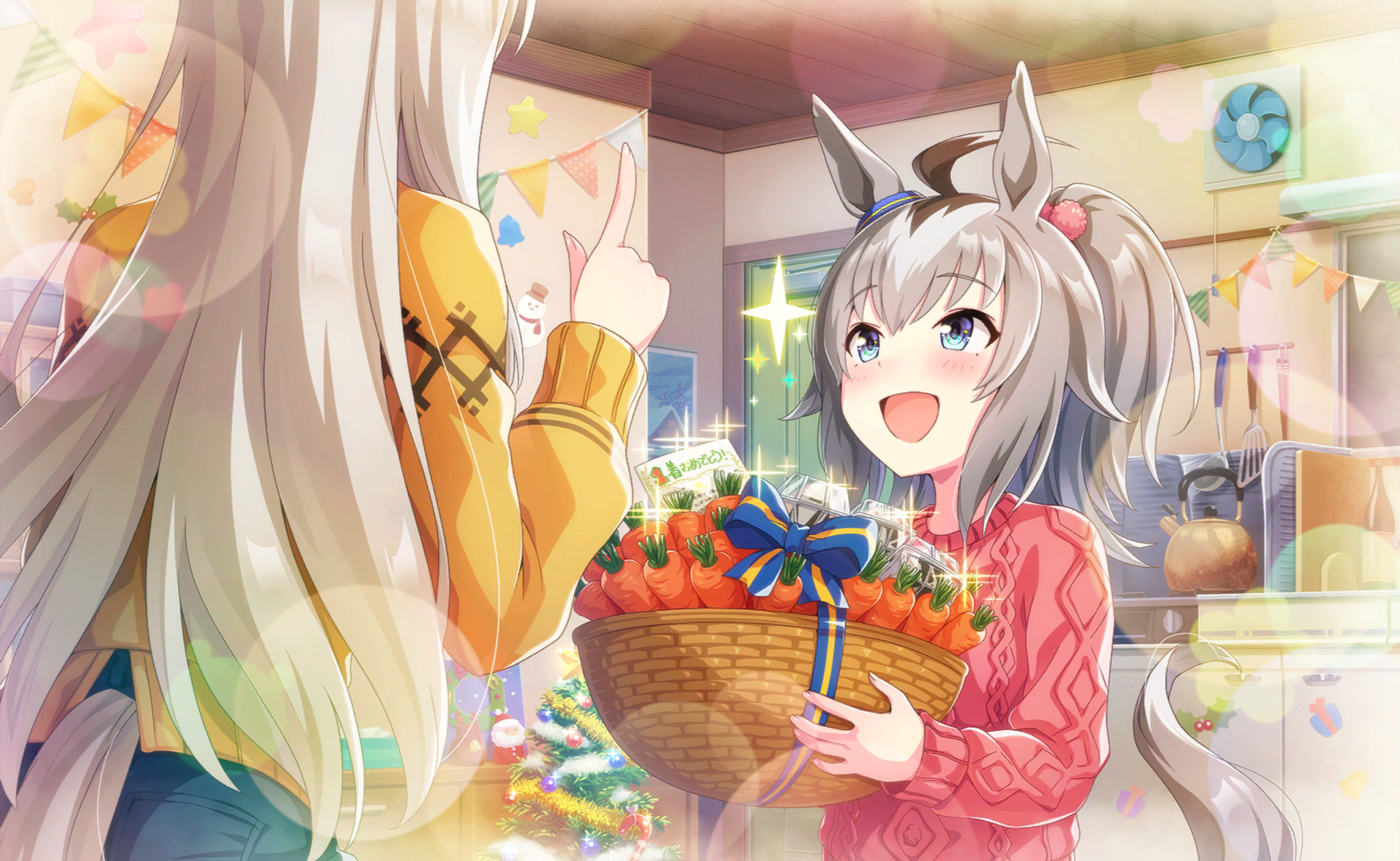
One of Oguri's most recognisable traits is her seemingly endless appetite. She is almost constantly hungry and is famous for consuming astonishing amounts of food after training or races. Whether it's bowls of rice, towering curry plates, or entire tables of snacks, her friends have long since accepted that feeding Oguri is simply part of everyday life. While often played for comedy, her appetite also symbolises the incredible energy and stamina required to support her relentless training.
Although naturally reserved, Oguri possesses a powerful competitive spirit. She approaches every race with complete sincerity, rarely boasting or showing off, instead believing that hard work and perseverance are the keys to victory. When facing stronger rivals, she never loses confidence, seeing every challenge as another opportunity to improve herself. This quiet resilience inspires those around her and often motivates other Umamusume to push beyond their own limits.
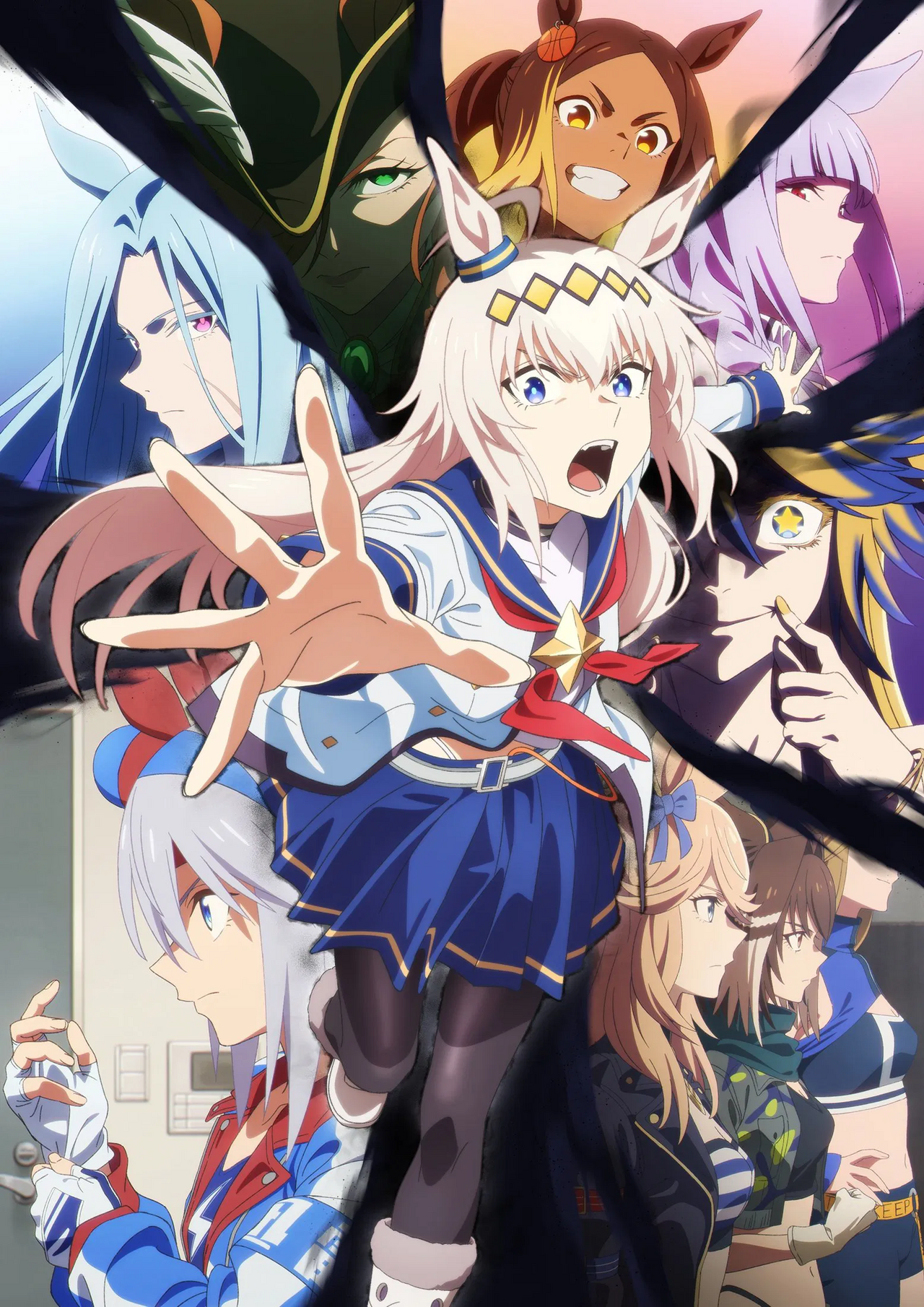
Throughout the story, Oguri forms strong friendships and rivalries with many fellow Umamusume, including Tamamo Cross, Super Creek, Inari One, and Yaeno Muteki. Their fierce but respectful competition drives each of them to greater heights, recreating many of the legendary rivalries from Japanese racing history. Despite the intensity of these races, Oguri never loses sight of the mutual respect shared between competitors.
Oguri's appearance reflects both elegance and practicality. Her long silver hair, expressive blue eyes, and distinctive horse ears make her instantly recognisable, while her traditional Tracen Academy uniform emphasises her humble origins rather than extravagant style. Whether dressed in her school uniform, race outfit, or one of her many seasonal costumes, she always carries herself with quiet confidence and dignity.
Beneath her calm exterior lies an unwavering determination to honour everyone who has supported her journey. She never forgets where she came from and takes great pride in representing Kasamatsu, often serving as an inspiration to others who dream of achieving greatness despite humble beginnings. Her story demonstrates that true champions are defined not by where they start, but by the effort they invest and the heart they show along the way.
Among fans, Oguri Cap has become one of the defining faces of the Umamusume franchise. Her combination of incredible racing talent, wholesome personality, comedic love of food, and unforgettable underdog story has made her one of the series' most enduring and recognisable characters. She embodies the themes of perseverance, friendship, and believing in one's potential, ensuring that her legend continues to inspire both within Tracen Academy and beyond.
Personality
- Calm and sincere.
- Honest almost to a fault.
- Fiercely competitive without being arrogant.
- Always willing to help friends.
- Famous throughout Tracen for her extraordinary appetite.
Legacy
Oguri Cap represents the heart of the Umamusume series. Her journey from a regional academy to becoming one of Tracen's brightest stars mirrors the incredible achievements of the real racehorse, reminding everyone that determination, perseverance, and kindness can overcome even the greatest odds. Her legendary appetite may provide endless comedy, but it is her unwavering spirit and humility that truly define why she remains one of the franchise's most beloved characters.
Sources
- https://umamusu.wiki/Oguri_Cap
- https://gametora.com/umamusume/characters/100101-oguri-cap
- https://umamusume.com/characters/









Touch fallback
Oguri CapTouch and smaller layouts use grouped connection cards instead of the live radar. Open any entry to follow the relationship directly.
Same races
Same Races
9 shared rivals

Latest: Arima Kinen · 1990-12-23

Latest: Tenno Sho (Autumn) · 1990-10-28

Latest: Takarazuka Kinen · 1990-06-10

Latest: Arima Kinen · 1990-12-23

Latest: Arima Kinen · 1989-12-24

Latest: Arima Kinen · 1988-12-25

Latest: Tenno Sho (Autumn) · 1988-10-30

Latest: Arima Kinen · 1990-12-23

Latest: Japan Cup · 1988-11-27
Related Umas
7 total · 7 linked
Rivals
5 total · 5 linked
Stablemates
1 total · 1 linked
Mentioned By Related Umas
11 profiles


Mentioned By Rivals
10 profiles
Mentioned By Stablemates
2 profiles
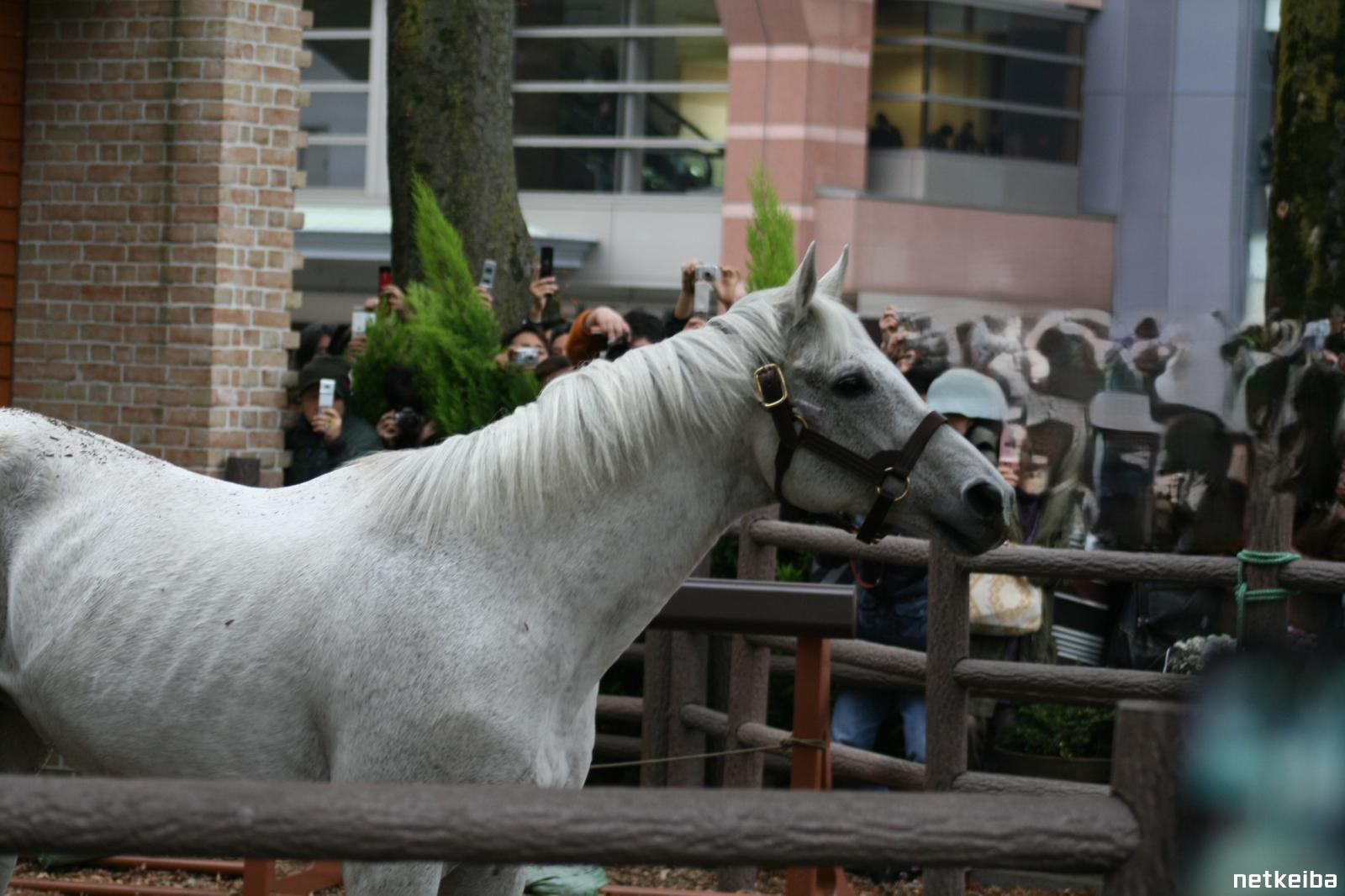
Oguri Cap stands among the greatest and most beloved racehorses in Japanese racing history. A grey stallion foaled on 27 March 1985, he was bred by Inaba Bokujo in Hokkaido and raced for owner Toshihiko Kobayashi. Trained first by Yutaka Takai at the Kasamatsu Racecourse and later by Yoshio Shibata after transferring to the Japan Racing Association (JRA), Oguri Cap's story became one of the most remarkable underdog tales the sport has ever seen.
Career at a glance
Track record
Featured races
Finished 1st · G1 · at Nakayama · over 2500m · Nakayama (JP)
Finished 1st · G1 · at Tokyo · over 1600m · Tokyo (JP)
Finished 1st · G1 · at Nakayama · over 2500m · Nakayama (JP)
At a glance
IRL Profile
By Dancing Cap, a grandson of the legendary Native Dancer, and out of White Narbee, with Silver Shark as his damsire, Oguri Cap possessed a pedigree that few expected would produce a national icon. His sire had enjoyed only moderate success in Europe before standing in Japan, while his dam came from relatively modest bloodlines. Unlike many future champions bred at prestigious farms, Oguri Cap began his career far from the spotlight in regional racing.
From Regional Unknown to National Hero
Oguri Cap made his debut at Kasamatsu Racecourse in May 1987. It quickly became obvious he possessed ability well beyond regional competition. After losing on debut, he won 10 of his next 11 races, overwhelming local opposition with powerful late finishing runs that quickly earned him widespread attention.
His dominance became so complete that many believed he had outgrown regional racing altogether. In 1988 he transferred to the JRA, where expectations were cautious. Horses moving from regional circuits rarely challenged Japan's elite, let alone defeated them.
Oguri Cap shattered those expectations almost immediately.
Conquering the JRA
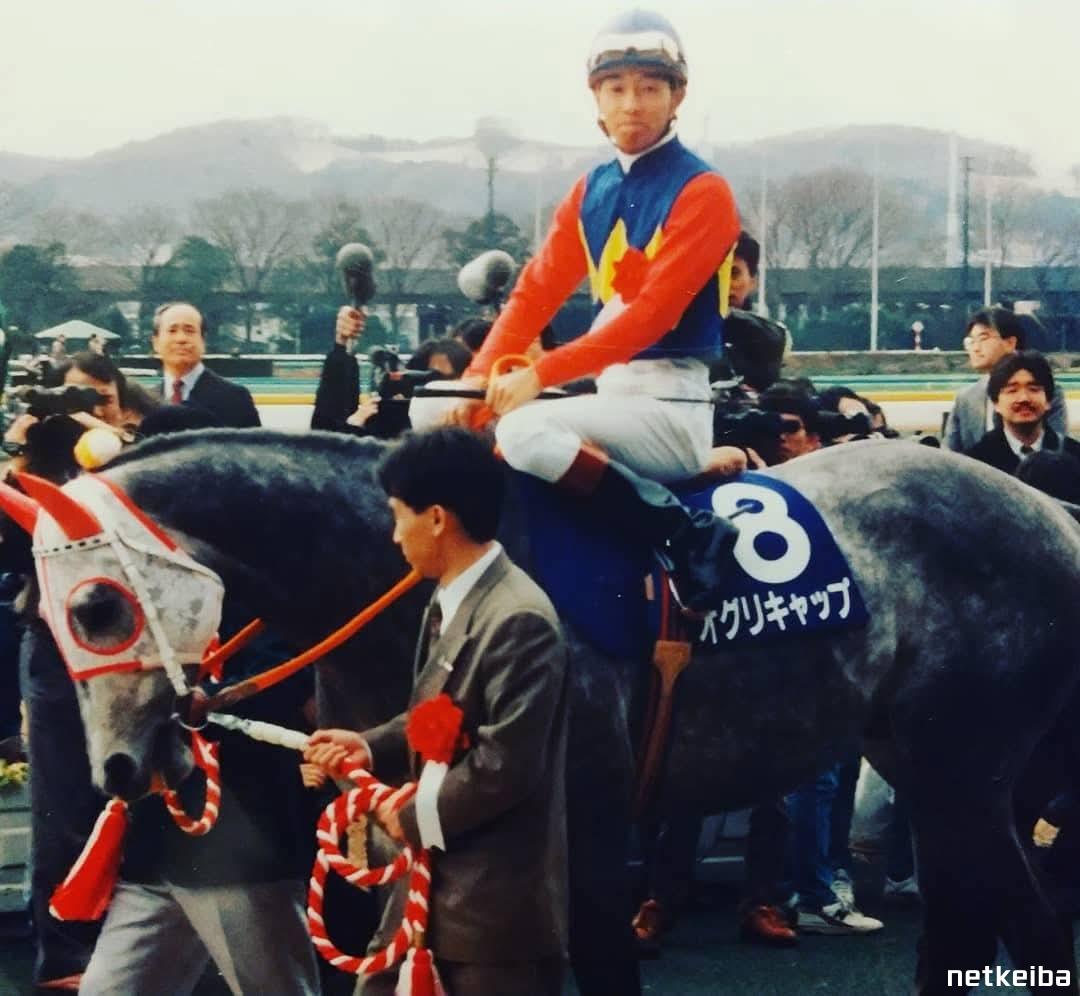
His first JRA appearance came in the Mainichi Okan, where he defeated experienced graded stakes performers despite facing far stronger opposition than he had ever encountered before.
What followed was one of the most extraordinary campaigns ever seen.
During 1988 he captured:
- Mainichi Okan (GII)
- Kyoto Daishoten (GII)
- Takamatsunomiya Hai
- Mile Championship (GI)
Rather than struggling after his move, Oguri Cap rapidly established himself as one of Japan's premier middle-distance horses.
His powerful acceleration became his trademark. Often settling behind the leaders, he possessed an extraordinary ability to produce a devastating finishing burst that delighted spectators. Crowds soon began travelling simply to watch "The Grey Monster" race.
A National Phenomenon
By 1989 Oguri Cap had become more than simply a successful racehorse—he had become a cultural phenomenon.
His rivalry with horses such as Inari One, Super Creek, Yaeno Muteki, Tamamo Cross, and later Mejiro McQueen defined one of Japanese racing's greatest eras.
The rivalry with Tamamo Cross proved especially significant. Their dramatic clashes represented a changing of the guard as Oguri emerged to replace the older champion as Japan's biggest star.
That season saw him record further major victories including:
- Osaka Hai
- Mainichi Okan (second victory)
Although narrowly beaten in several major races, Oguri Cap's consistency against elite opposition only increased his popularity.
The Hero's Fall
The extraordinary schedule eventually began to take its toll.
During 1990 his performances declined noticeably. After several disappointing results, many commentators believed the great champion had reached the end of his career.
Fans who had followed him from his humble beginnings watched sadly as the once-dominant grey struggled against younger rivals.
Many expected retirement before the end of the year.
The Miracle at Arima Kinen
Instead, Oguri Cap produced one of the greatest farewell performances in racing history.
Entering the 1990 Arima Kinen (GI), he was widely dismissed. Having finished poorly in his previous races, bookmakers installed him as only the fourth favourite.
His opponents included many of Japan's newest stars, while much of the media viewed the race as the symbolic passing of the torch.
What happened instead became one of the defining moments in Japanese sporting history.
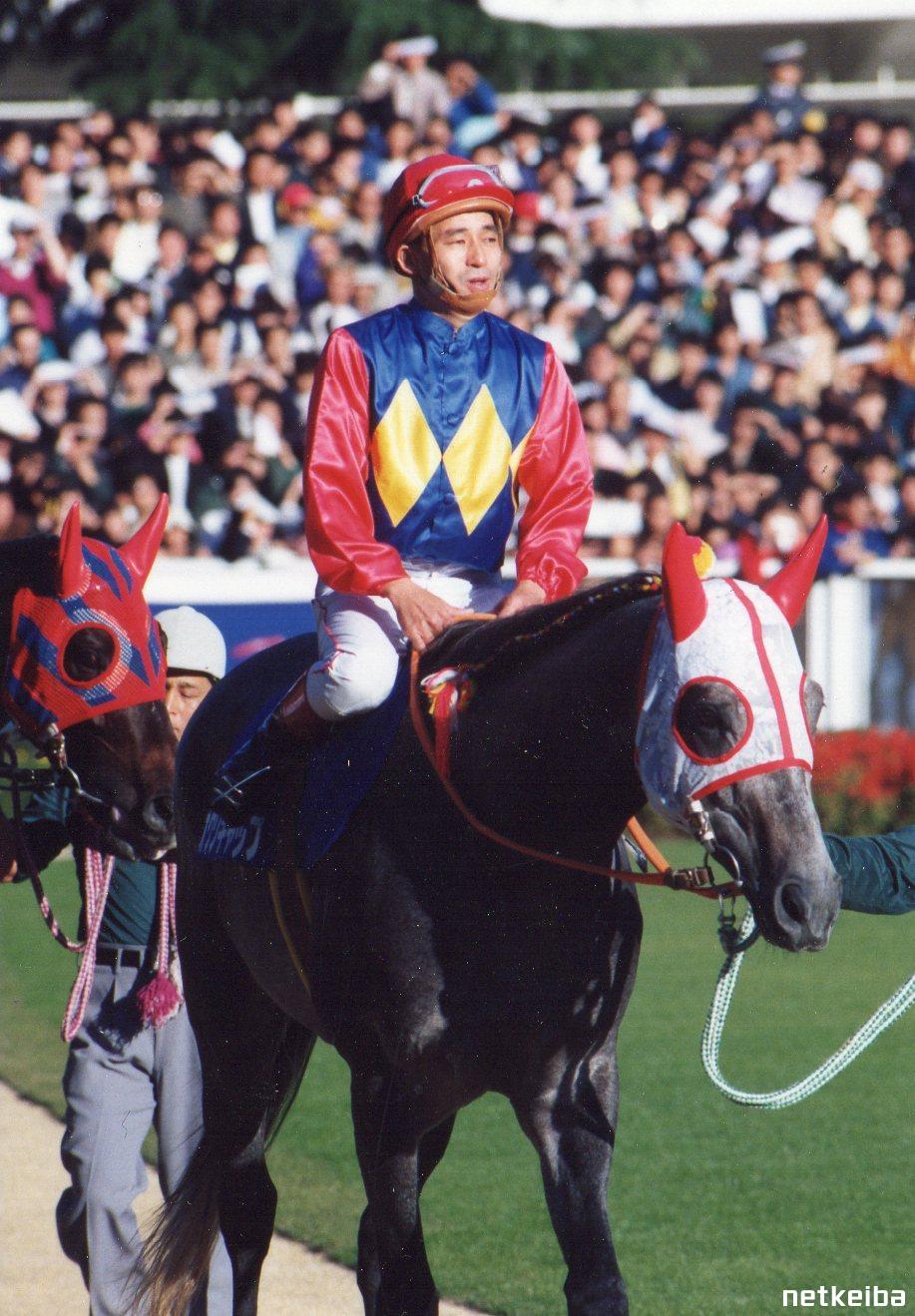
Under jockey Yutaka Take, Oguri Cap travelled comfortably before unleashing one final breathtaking run in the home straight. Defying every expectation, he surged past the field to capture his fourth Grade 1 victory.
As he crossed the finish line, Nakayama Racecourse erupted.
More than 170,000 spectators chanted his name:
"Oguri! Oguri!"
The emotional roar became one of the most famous moments in Japanese racing and remains legendary today. Rather than fading quietly into retirement, Oguri Cap delivered a perfect farewell that cemented his place as one of Japan's greatest sporting heroes.
Retirement
Oguri Cap retired after the 1990 Arima Kinen with a record of:
- 32 starts
- 22 wins
- 6 seconds
- 1 third
- ¥912,518,000 in prize money
He stood at stud following retirement but never achieved the same success as a sire that he had enjoyed on the racetrack. Nevertheless, his influence extended far beyond breeding.
He became an enduring symbol of determination, perseverance, and the belief that greatness could emerge from anywhere, regardless of pedigree or expectations.
Legacy
Few horses have ever captured the imagination of the Japanese public like Oguri Cap.
His journey from a little-known regional racehorse to national superstar transformed public perceptions of regional racing and inspired countless fans. His farewell victory in the 1990 Arima Kinen is still regularly voted among the greatest moments in Japanese racing history.
Decades later, Oguri Cap remains one of the defining legends of the sport. His life inspired numerous books, documentaries, and eventually his portrayal in Uma Musume: Pretty Derby, where his remarkable determination, enormous appetite, humble origins, and unwavering competitive spirit form the core of his character.
For many racing fans, Oguri Cap represents more than a champion—he represents the idea that extraordinary talent can emerge from the most unlikely beginnings, and that true greatness is measured not only by victories, but by the hearts won along the way.
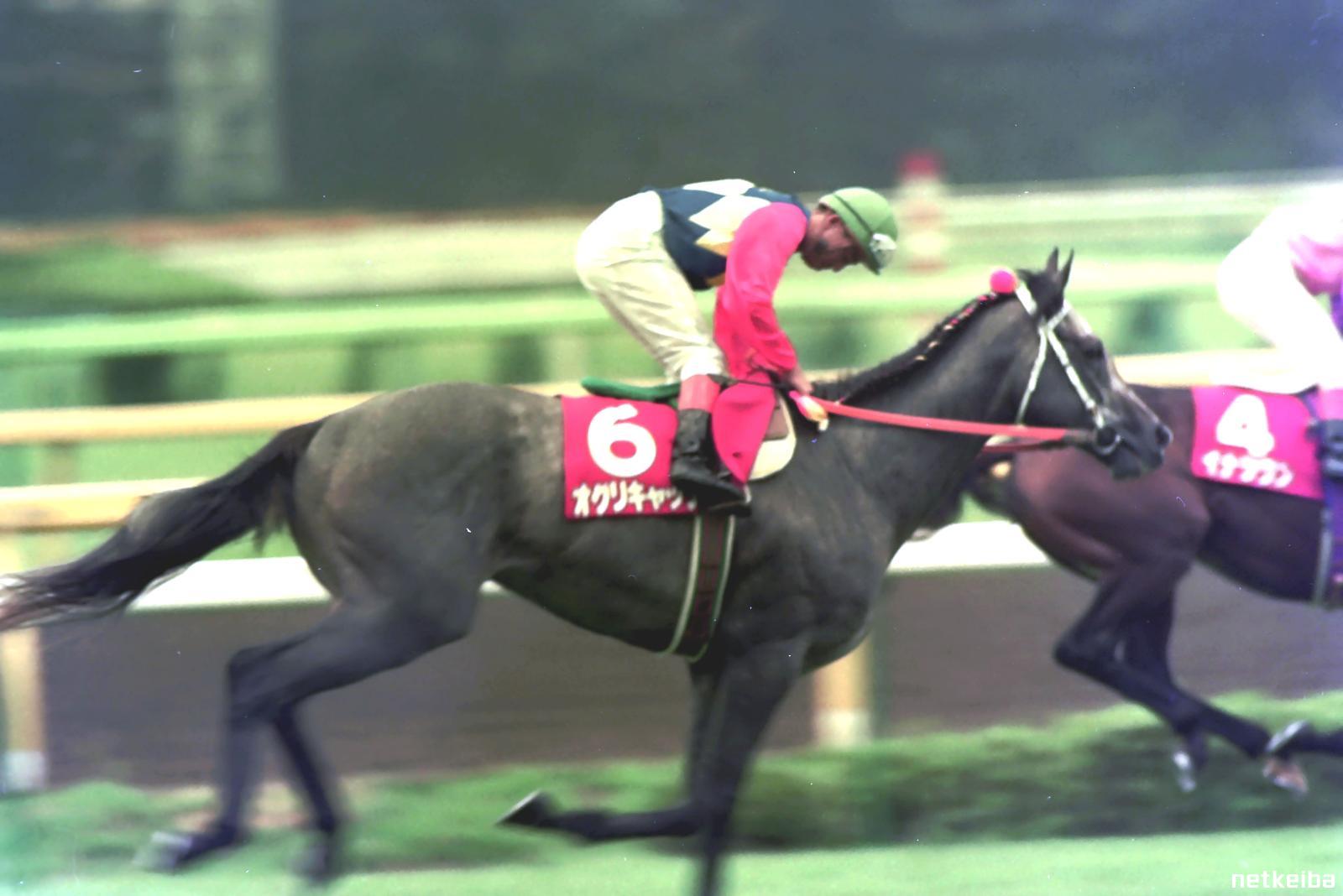
Career Summary
- Foaled: 27 March 1985
- Died: 3 July 2010 (aged 25)
- Colour: Grey
- Sex: Stallion
- Breeder: Inaba Bokujo
- Owner: Toshihiko Kobayashi
- Regional Trainer: Yutaka Takai (Kasamatsu)
- JRA Trainer: Yoshio Shibata
- Sire: Dancing Cap
- Dam: White Narbee
- Damsire: Silver Shark
- Starts: 32
- Wins: 22
- Seconds: 6
- Thirds: 1
- Prize Money: ¥912,518,000
Major Victories
- Gold Junior (Kasamatsu)
- Chukyo Hai
- Mainichi Okan (GII) ×2
- Kyoto Daishoten (GII)
- Takamatsunomiya Hai
- Osaka Hai
- Mile Championship (GI)
- Yasuda Kinen (GI)
- Arima Kinen (GI) ×2
Notable Rivals
- Tamamo Cross
- Inari One
- Super Creek
- Yaeno Muteki
- Mejiro McQueen
Sources
- https://en.wikipedia.org/wiki/Oguri_Cap
- https://db.netkeiba.com/horse/1985101924/
- https://www.jbis.jp/horse/0000177219/
- https://umamusu.wiki/IRL:Oguri_Cap
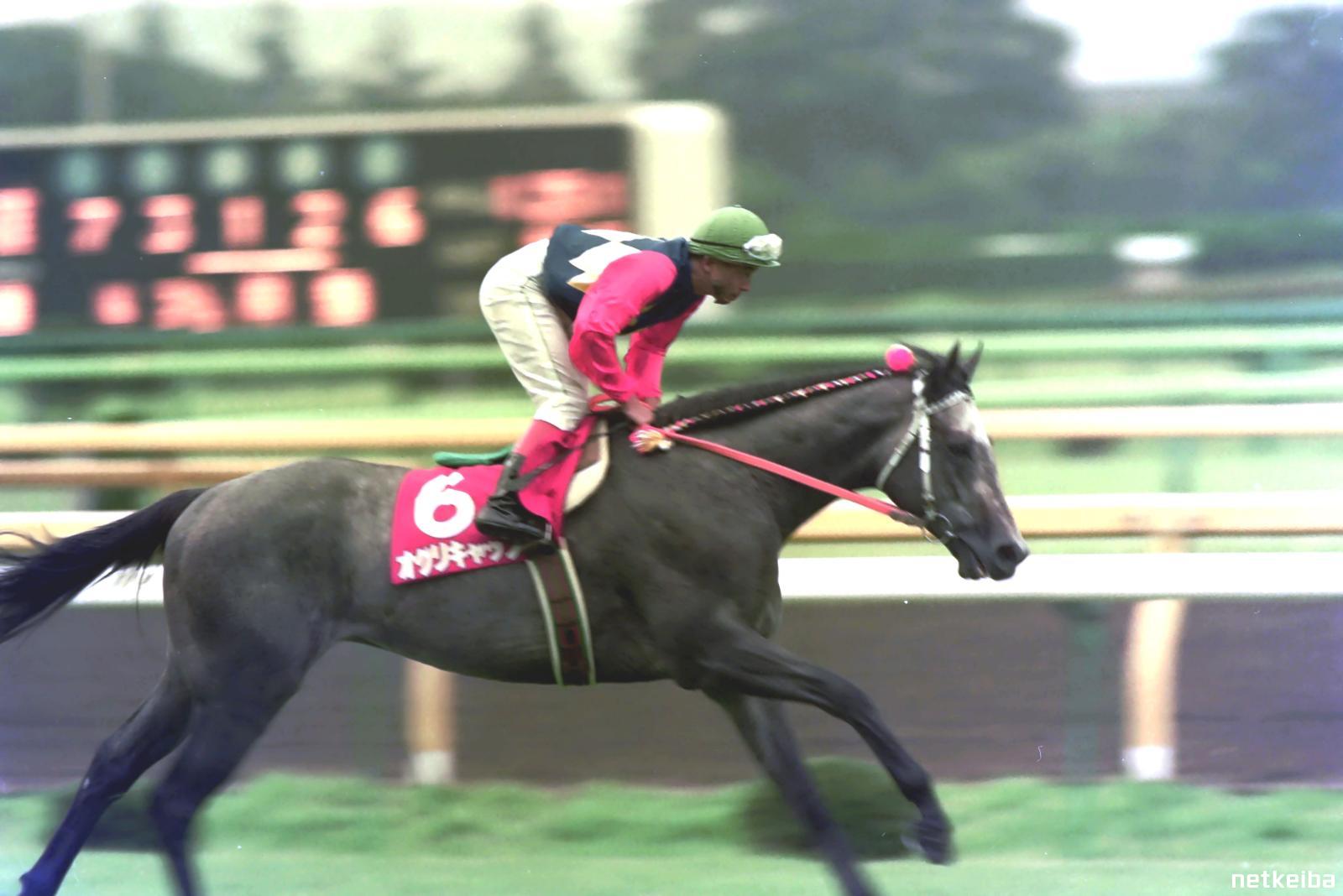
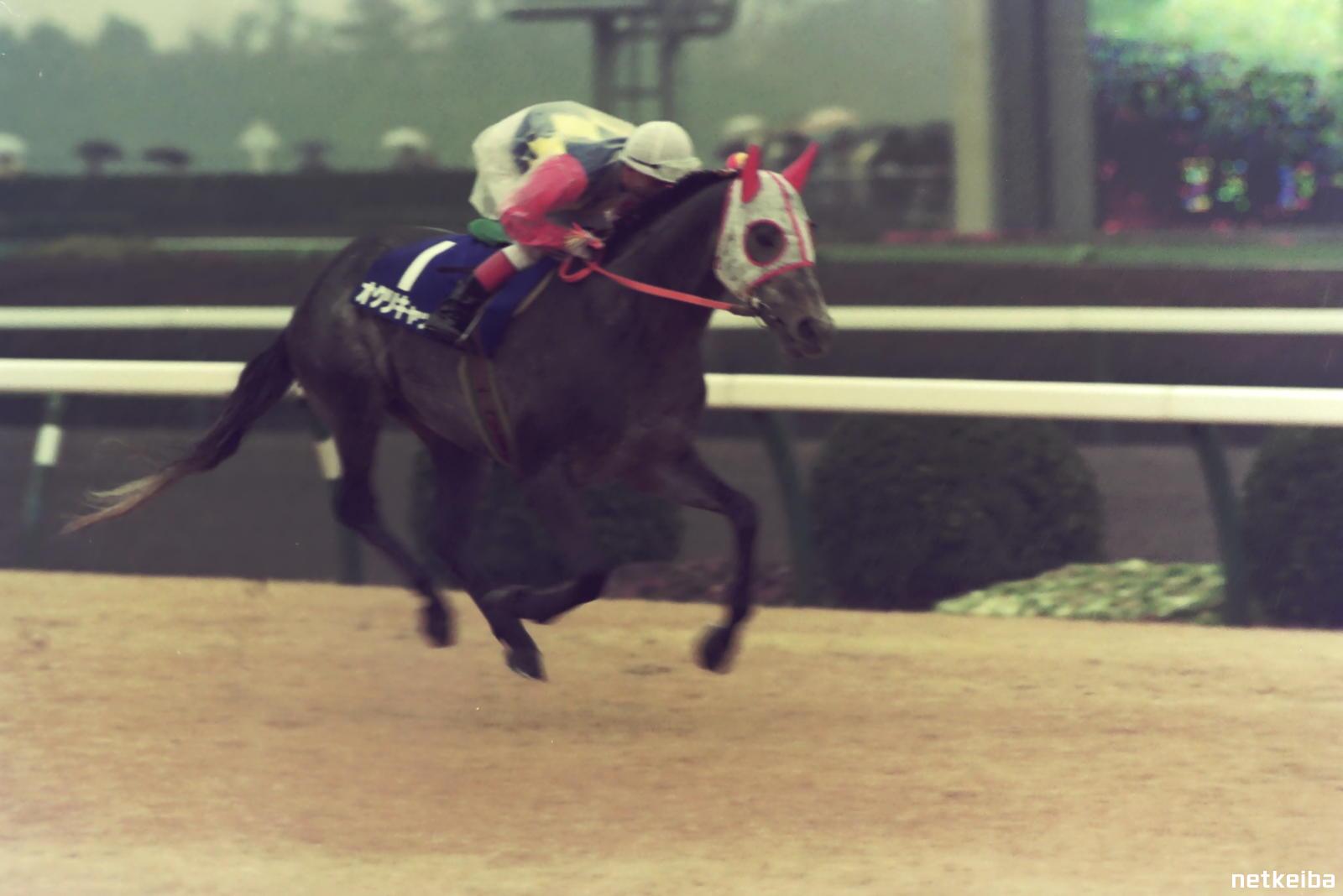
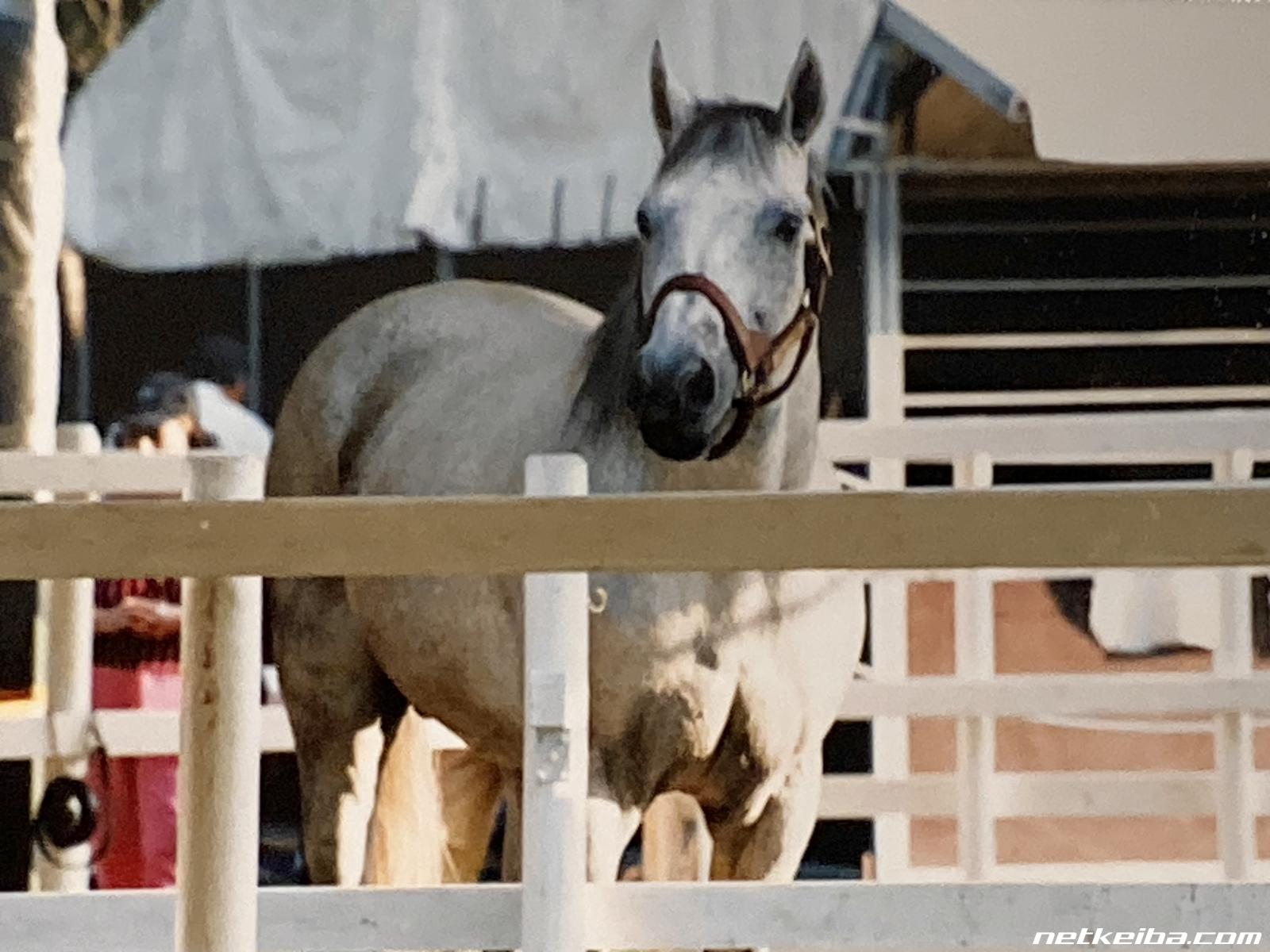
More photographs
IRL image archive
3 more images
| Date | Race | Grade | Course | Going | Dist | Pos | Draw | Jockey | Wgt | SP | Time |
|---|---|---|---|---|---|---|---|---|---|---|---|
| 1990-12-23 |
Arima Kinen
|
G1 | Nakayama (JP) | Good | 2500 m | 1 | 8 | Yutaka Take | 56.0 kg | 5.5 | 2:34.2 |
| 1990-11-25 |
Japan Cup
|
G1 | Tokyo (JP) | Good | 2400 m | 11 | 7 | S.Masuzawa | 57.0 kg | 7.3 | 2:24.1 |
| 1990-10-28 |
Tenno Sho (Autumn)
|
G1 | Tokyo (JP) | Good | 2000 m | 6 | 12 | S.Masuzawa | 58.0 kg | 2.0 | 1:58.9 |
| 1990-06-10 |
Takarazuka Kinen
|
G1 | Hanshin (JP) | Good | 2200 m | 2 | 6 | J.Oka | 57.0 kg | 1.2 | 2:14.6 |
| 1990-05-13 |
Yasuda Kinen
|
G1 | Tokyo (JP) | Good | 1600 m | 1 | 9 | Yutaka Take | 57.0 kg | 1.4 | 1:32.4 |
| 1989-12-24 |
Arima Kinen
|
G1 | Nakayama (JP) | Good | 2500 m | 5 | 1 | K.Minai | 57.0 kg | 1.8 | 2:32.5 |
| 1989-11-26 |
Japan Cup
|
G1 | Tokyo (JP) | Good | 2400 m | 2 | 3 | K.Minai | 57.0 kg | 5.3 | 2:22.2 |
| 1989-11-19 |
Mile Championship
|
G1 | Kyoto (JP) | Good | 1600 m | 1 | 1 | K.Minai | 57.0 kg | 1.3 | 1:34.6 |
| 1989-10-29 |
Tenno Sho (Autumn)
|
G1 | Tokyo (JP) | Good | 2000 m | 2 | 4 | K.Minai | 58.0 kg | 1.9 | 1:59.1 |
| 1989-10-08 |
Mainichi Okan
|
G2 | Tokyo (JP) | Good to Soft | 1800 m | 1 | 6 | K.Minai | 59.0 kg | 1.4 | 1:46.7 |
| 1989-09-17 |
Sankei Sho All Comers
|
G3 | Nakayama (JP) | Good | 2200 m | 1 | 11 | K.Minai | 57.0 kg | 1.4 | 2:12.4 |
| 1988-12-25 |
Arima Kinen
|
G1 | Nakayama (JP) | Good | 2500 m | 1 | 10 | Y.Okabe | 55.0 kg | 3.7 | 2:33.9 |
| 1988-11-27 |
Japan Cup
|
G1 | Tokyo (JP) | Good | 2400 m | 3 | 8 | H.Kawachi | 55.0 kg | 6.9 | 2:25.8 |
| 1988-10-30 |
Tenno Sho (Autumn)
|
G1 | Tokyo (JP) | Good | 2000 m | 2 | 1 | H.Kawachi | 56.0 kg | 2.1 | 1:59.0 |
| 1988-10-09 |
Mainichi Okan
|
G2 | Tokyo (JP) | Good to Soft | 1800 m | 1 | 8 | H.Kawachi | 56.0 kg | 1.7 | 1:49.2 |
| 1988-07-10 |
Takamatsunomiya Hai
|
G2 | Chukyo (JP) | Good | 2000 m | 1 | 2 | H.Kawachi | 55.0 kg | 1.2 | 1:59.0 |
| 1988-06-05 |
New Zealand Trophy
|
G2 | Tokyo (JP) | Good | 1600 m | 1 | 11 | H.Kawachi | 56.0 kg | 1.2 | 1:34.0 |
| 1988-05-08 |
Kyoto Yonsai Tokubetsu
|
G3 | Kyoto (JP) | Good to Soft | 2000 m | 1 | 15 | K.Minai | 58.0 kg | 1.3 | 2:03.6 |
| 1988-03-27 |
Mainichi Hai
|
G3 | Hanshin (JP) | Soft | 2000 m | 1 | 10 | H.Kawachi | 57.0 kg | 2.2 | 2:04.8 |
| 1988-03-06 |
Pegasus Stakes
|
G3 | Hanshin (JP) | Good | 1600 m | 1 | 4 | H.Kawachi | 56.0 kg | 3.8 | 1:35.6 |
| 1988-01-10 |
Gold Junior
|
- | Kasamatsu (JP) | Sloppy | 1600 m | 1 | 6 | K.Ando | - | - | 1:41.8 |
| 1987-12-29 |
Junior Grand Prix
|
Listed | Kasamatsu (JP) | Good | 1600 m | 1 | 7 | K.Ando | 54.0 kg | 0.0 | 1:45.0 |
| 1987-12-07 |
Shiwasu Tokubetsu B2
|
- | Kasamatsu (JP) | Fast | 1600 m | 1 | 9 | K.Ando | - | - | 1:44.4 |
| 1987-11-04 |
Chunichi Sports Hai
|
- | Nagoya (JP) | Sloppy | 1400 m | 1 | 4 | K.Ando | - | - | 1:29.8 |
| 1987-10-14 |
Chukyo Hai
|
Listed | Chukyo (JP) | Good | 1200 m | 1 | 3 | K.Ando | 54.0 kg | 0.0 | 1:10.8 |
| 1987-10-04 |
Junior Crown
|
Listed | Kasamatsu (JP) | Good | 1400 m | 1 | 5 | K.Ando | 54.0 kg | 0.0 | 1:29.4 |
| 1987-08-30 |
Akikaze Junior
|
- | Kasamatsu (JP) | Fast | 1400 m | 1 | 5 | K.Ando | - | - | 1:30.3 |
| 1987-08-12 |
Three-Year-Old Thoroughbreds
|
- | Kasamatsu (JP) | Fast | 800 m | 1 | 7 | K.Kato | - | - | 0:49.7 |
| 1987-07-26 |
Three-Year-Old Thoroughbreds
|
- | Kasamatsu (JP) | Fast | 800 m | 2 | 7 | K.Kato | - | - | 0:50.3 |
| 1987-06-15 |
Three-Year-Old Thoroughbreds
|
- | Kasamatsu (JP) | Muddy | 800 m | 1 | 8 | T.Aoki | - | - | 0:49.8 |
| 1987-06-02 |
Three-Year-Old Thoroughbreds
|
- | Kasamatsu (JP) | Fast | 800 m | 1 | 1 | K.Kato | - | - | 0:51.1 |
| 1987-05-19 |
Three-Year-Old Newcomer
|
Maiden | Kasamatsu (JP) | Fast | 800 m | 2 | 5 | T.Aoki | - | - | 0:50.1 |
Citations
Race Result Sources
AI Race Import 2026-06-14 19:58 UTC
Imported and enriched race results from supported racing sources.
AI Race Import 2026-06-10 13:53 UTC
Imported and enriched race results from supported racing sources.