

Uma profile

Super Creek


Super Creek is the sort of Uma Musume who seems to lower the room’s temperature and everyone’s blood pressure the moment she arrives. A Senior Division student from Ritto Dormitory, she carries a mature, soothing presence that the official material consistently frames as gentle, kind, and unmistakably motherly. Her own introduction says it best: she wants to work hard to make everyone around her smile.
That warmth is not just a surface impression, either—it is the heart of her character.
The “Mama” side of Super Creek is famous for a reason. She refers to herself as Mama (and also watashi), calls her trainer Trainer-san, and has a reputation for taking care of others with almost professional ease. Her family runs a daycare known for its warmth, and the profile notes line up neatly with that background: she is especially good with children, to the point of being described as great at calming them down. Even her strengths are domestic in the most affectionate sense—her standout strong point is simply taking care of people. Super Creek doesn’t just feel nurturing; she is built around that quality.
That said, she is not only softness and lullaby energy. At 168 cm, with a poised, mature aura and a striking silhouette, Super Creek has a presence that reads elegant and dependable rather than delicate. Her weight is coyly listed as “slight increase (the reason is a secret),” a very Uma Musume sort of detail that gives her profile a little playful charm. Kana Yuuki’s performance supports that balance as well, giving Super Creek a voice that can feel reassuring without ever becoming dull.
Her little likes and dislikes make her even more memorable. She likes cleaning out other people’s ears, but dislikes having her own ears cleaned—an oddly specific and very endearing quirk for someone so determined to fuss over everyone else. She is weak at drawing, which is a wonderfully human flaw in a character otherwise so composed. And tucked away in her “secret” is one more delightfully homespun detail: she is apparently excellent at rolling perfectly round rice cakes.
There is also a strong competitive context around her, with Oguri Cap, Tamamo Cross, and Inari One listed among her rivals, while names like Narita Taishin and Maruzensky appear in her broader relationship circle. Her roommate is Narita Taishin, a pairing that public-facing profiles often note simply because it is such a concrete little piece of everyday character texture. Even before the game had fully taken shape, Super Creek stood out: her initial profile reveal on the official Twitter account was presented as a name-prediction quiz, accompanied by a hint describing her as a calm, gentle, mature older-sister type. Years later, that first impression still fits beautifully.
Sources
- umamusu.wiki/Super Creek
- GameTora: Super Creek
- GameTora: Super Creek profile

















Touch fallback
Super CreekTouch and smaller layouts use grouped connection cards instead of the live radar. Open any entry to follow the relationship directly.
Same races
Same Races
6 shared rivals

Latest: Sankei Osaka Hai · 1990-04-01

Latest: Tenno Sho (Spring) · 1990-04-29

Latest: Arima Kinen · 1989-12-24

Latest: Japan Cup · 1989-11-26

Latest: Tenno Sho (Autumn) · 1989-10-29

Latest: Arima Kinen · 1988-12-25
Related Umas
5 total · 5 linked

Rivals
3 total · 3 linked
Mentioned By Related Umas
5 profiles
Mentioned By Rivals
3 profiles
Mentioned By Stablemates
1 profile
Super Creek (スーパークリーク) was a bay Japanese stallion foaled on 27 May 1985, bred by Kashiwadai Farm in Monbetsu, Hokkaido. He raced in the colours of Makoto Kikura and was trained throughout his career by Shuji Ito at Ritto, a notably stable set of connections for a horse who became one of the most important Japanese runners of the late 1980s and early 1990s. He died on 29 August 2010.
Career at a glance
Track record
Featured races
Finished 1st · G1 · at Kyoto · over 3000m · Kyoto (JP)
Finished 1st · G1 · at Tokyo · over 2000m · Tokyo (JP)
Finished 1st · G1 · at Kyoto · over 3200m · Kyoto (JP)
At a glance
On pedigree, Super Creek was by No Attention out of Nice Day, a daughter of Intermezzo. He came from a family that also included Nice Garbo, Eishin Prince, and Shinko Maxim. The available records also show that he later stood at stud, though only two progeny are listed in the supplied research, so his reputation rests far more on his own racecourse achievements than on a large sire legacy.
His racing career was compact but highly effective. Across 16 starts he compiled a record of 8 wins, 2 seconds, and 2 thirds, with career earnings recorded at more than ¥556 million in JRA prize money and listed by Wikipedia at ¥562,535,200. That efficiency, combined with a sequence of top-level victories, made him one of the standout stayers and all-round performers of his generation.
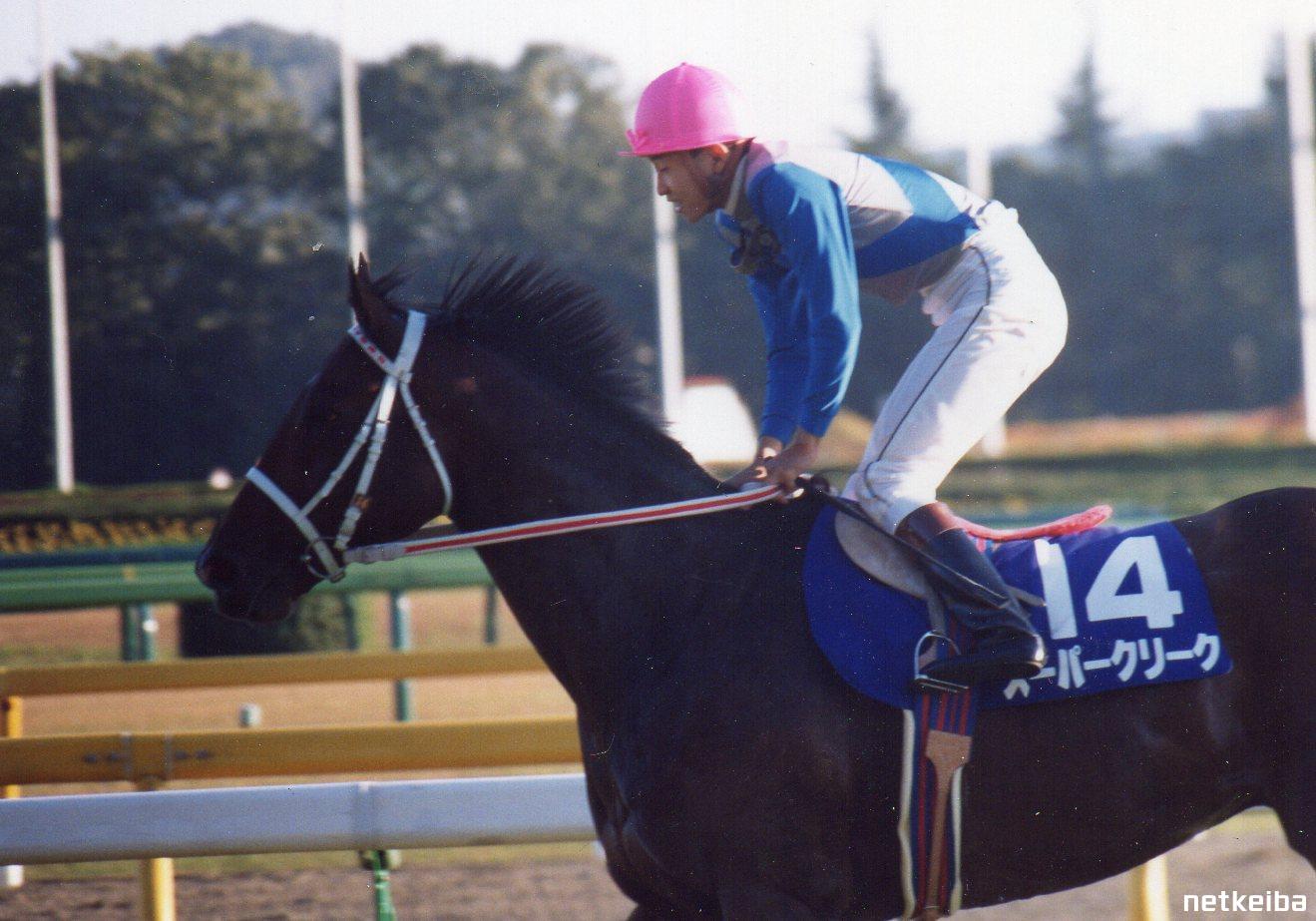
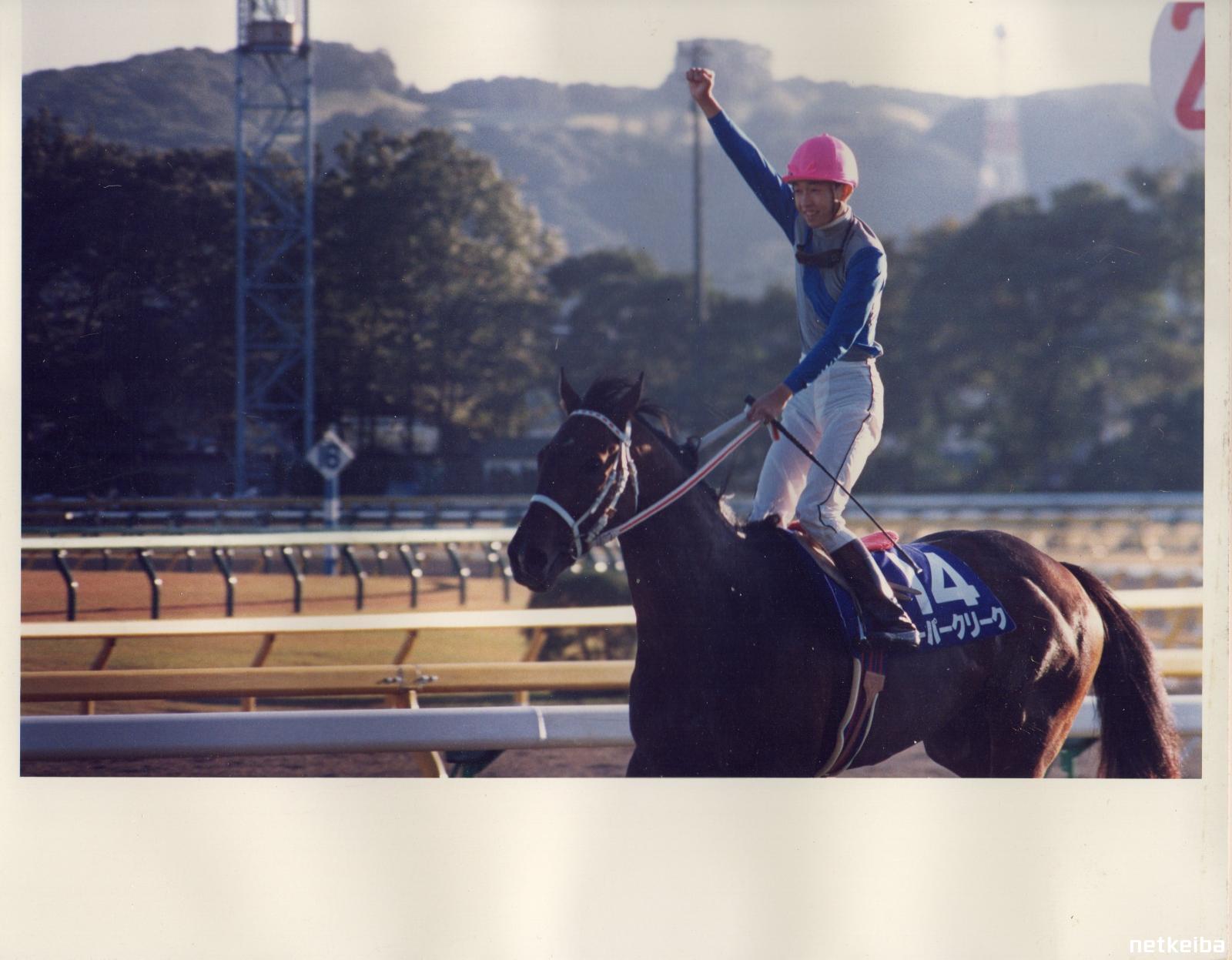
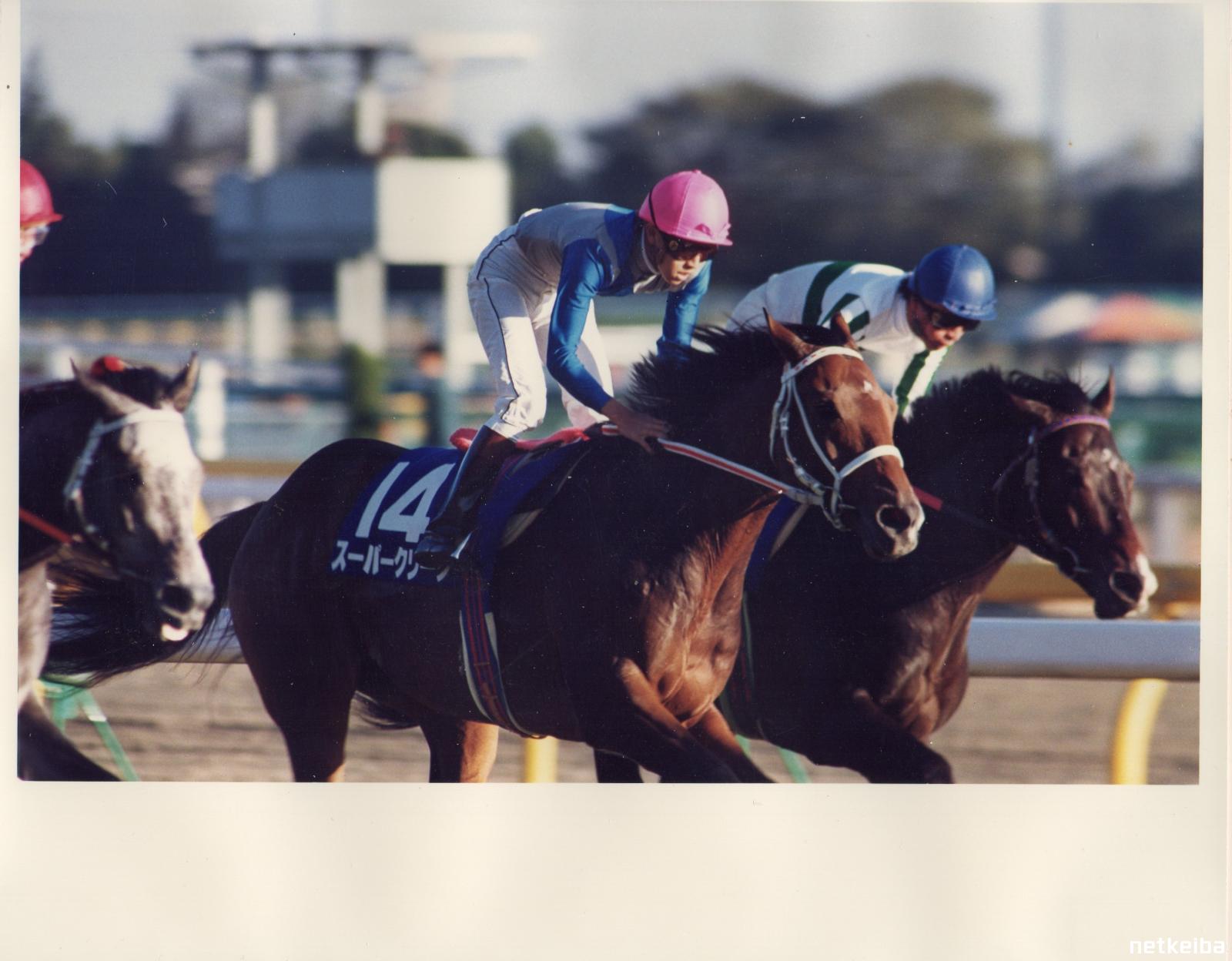
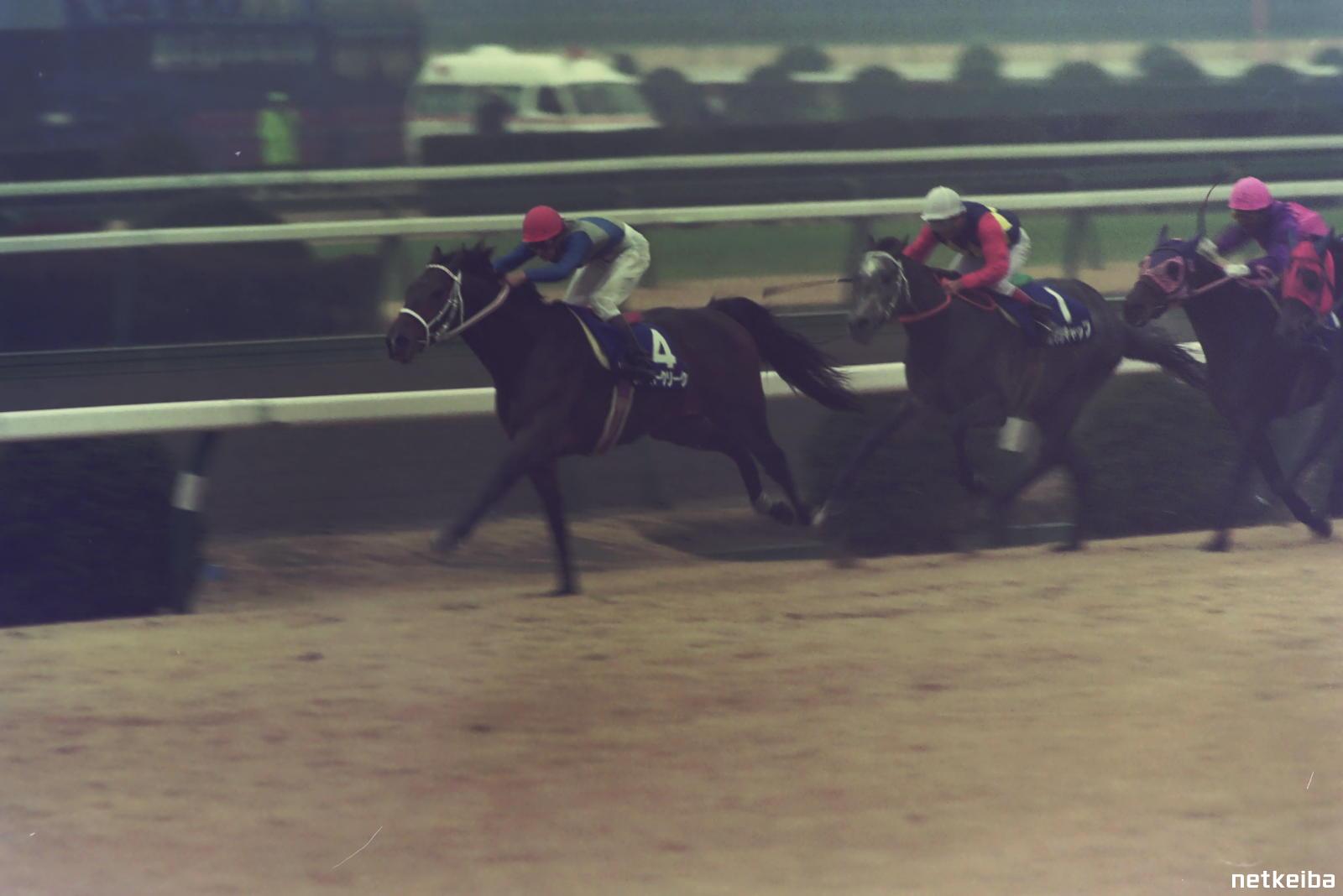
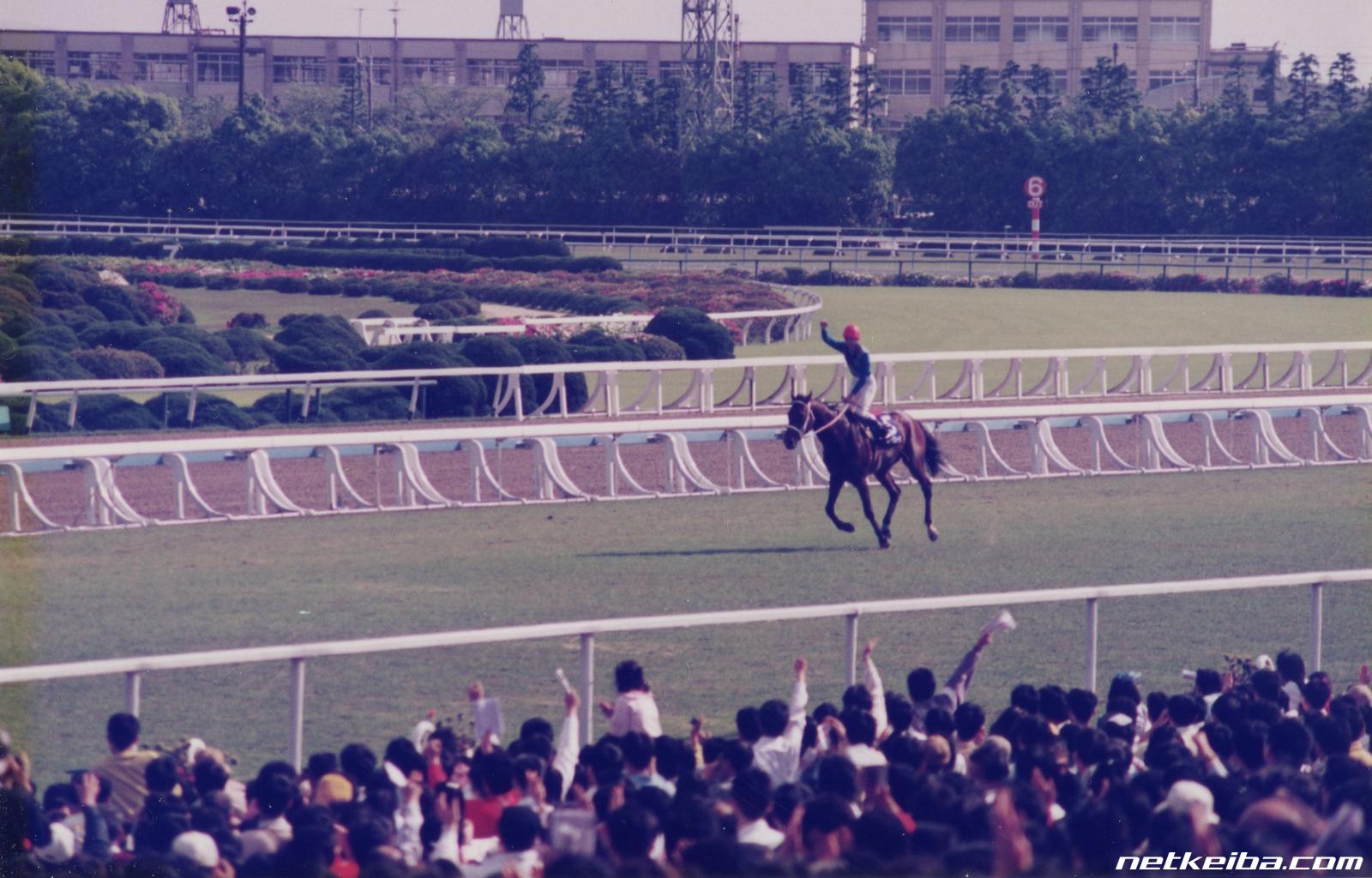
Super Creek's breakthrough major win came in the 1988 Kikuka Sho, the final leg of the Japanese Triple Crown for three-year-olds. He went on to add some of the era's most prestigious older-horse prizes, including the Tenno Sho (Autumn) in 1989 and the Tenno Sho (Spring) in 1990. He also won the Kyoto Daishoten twice, in 1989 and 1990, as well as the Sankei Osaka Hai in 1990, a résumé that shows both durability at the highest level and the ability to remain among Japan's elite across successive seasons.
Historically, Super Creek is remembered as one of the "Heisei Big Three," a label that underlines his prominence in Japanese racing culture beyond the bare statistics. Even with a relatively short race record, he left behind the image of a horse who consistently delivered in major company, and whose best victories came in races that define champions in Japan. His legacy is therefore tied chiefly to that peak period on the track: a homebred star for Kashiwadai Farm, campaigned by a single owner and trainer, and a major name of his era.
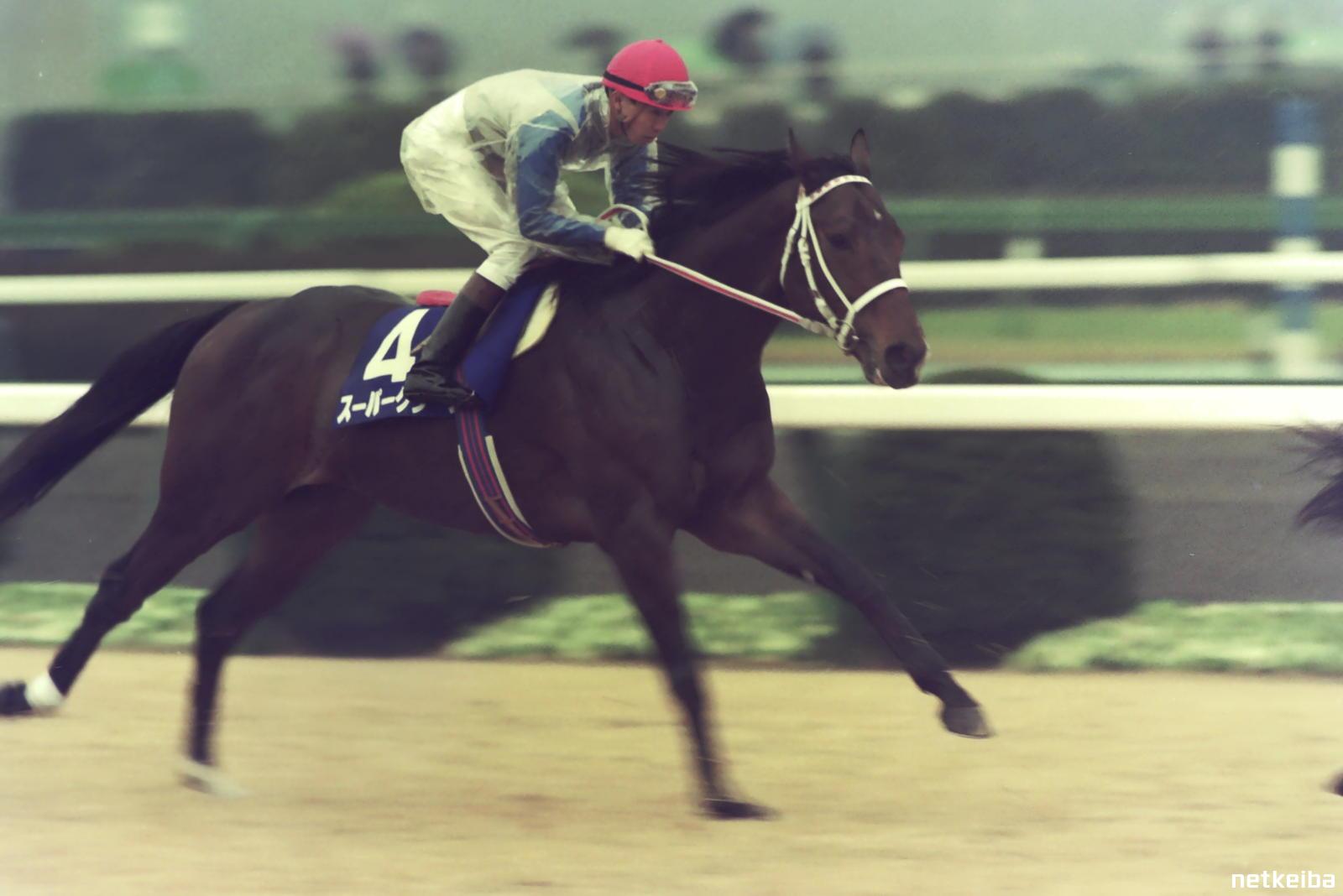
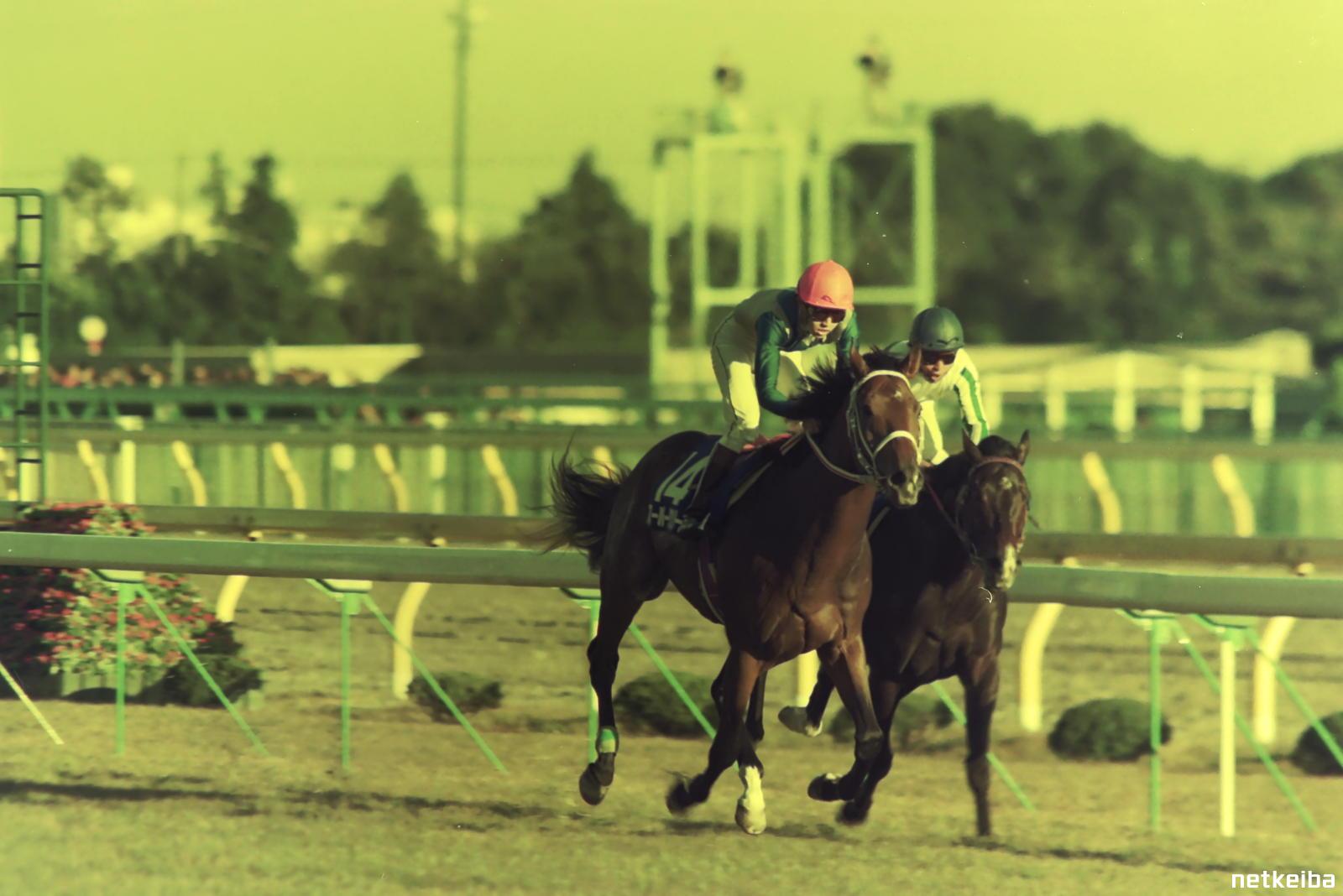
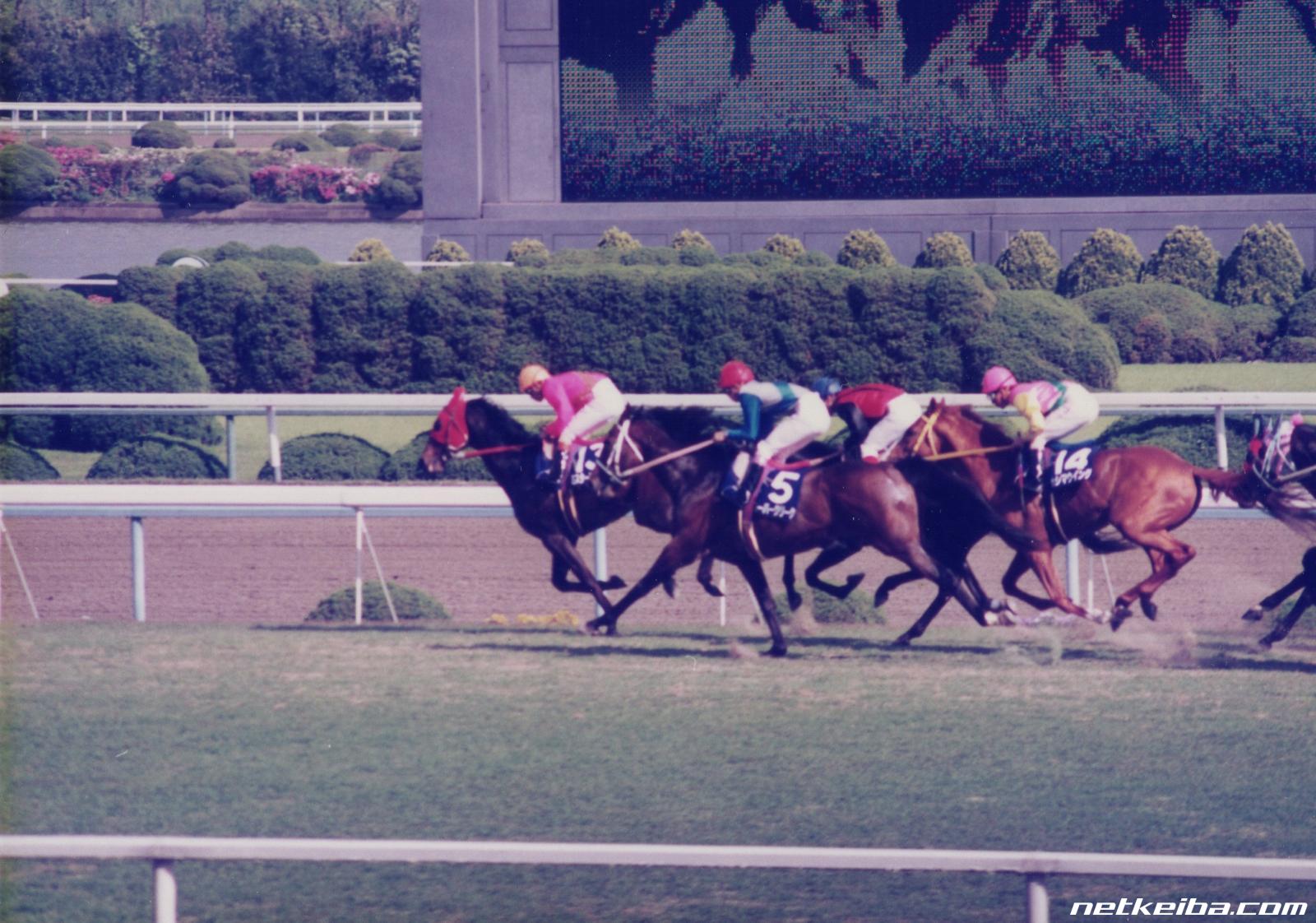
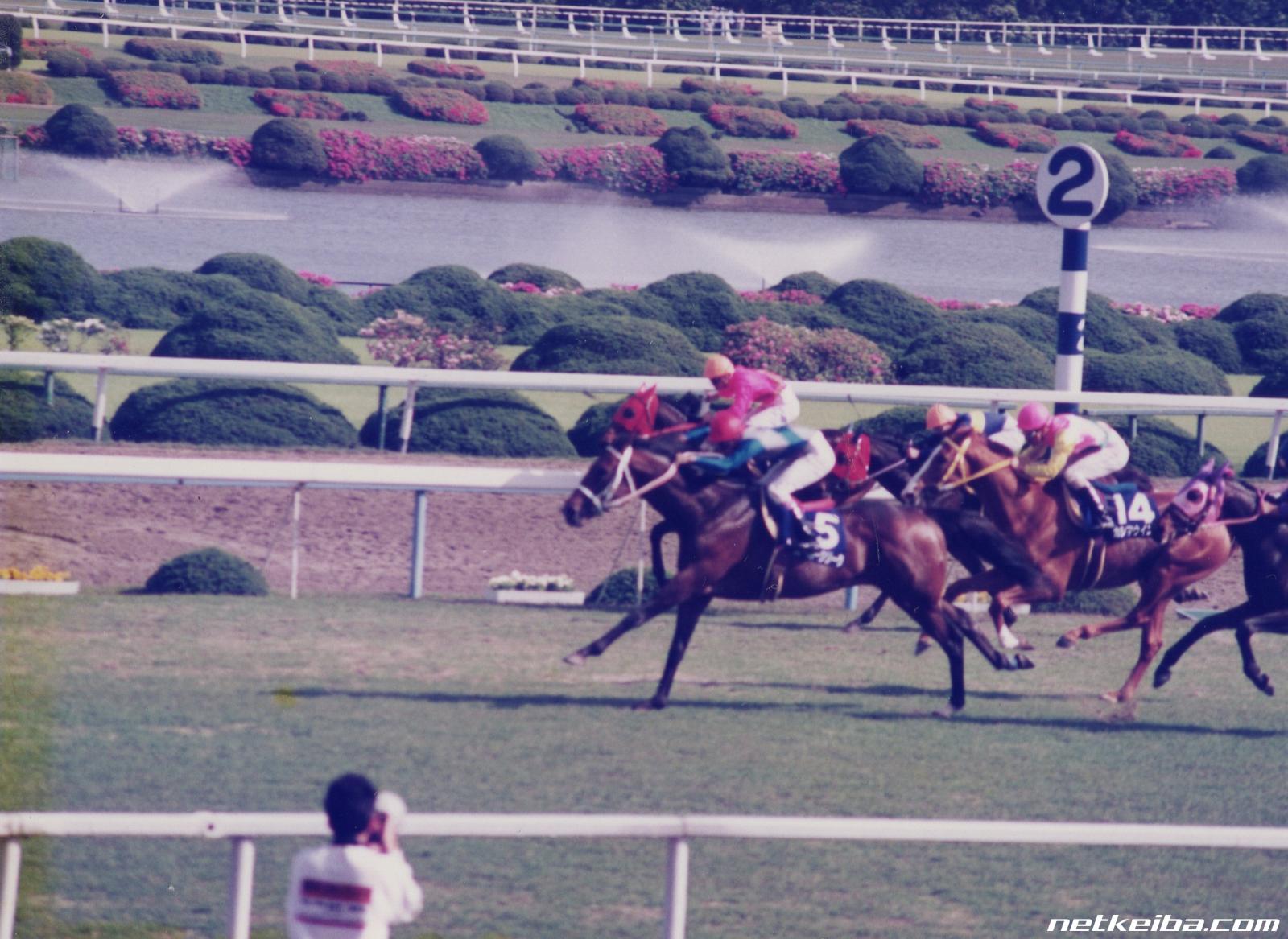
More photographs
IRL image archive
7 more images
| Date | Race | Grade | Course | Going | Dist | Pos | Draw | Jockey | Wgt | SP | Time |
|---|---|---|---|---|---|---|---|---|---|---|---|
| 1990-10-07 |
Kyoto Daishoten
|
G2 | Kyoto (JP) | Soft | 2400 m | 1 | 1 | Yutaka Take | 59.0 kg | 1.1 | 2:26.9 |
| 1990-04-29 |
Tenno Sho (Spring)
|
G1 | Kyoto (JP) | Good | 3200 m | 1 | 5 | Yutaka Take | 58.0 kg | 1.5 | 3:21.9 |
| 1990-04-01 |
Sankei Osaka Hai
|
G2 | Hanshin (JP) | Good to Soft | 2000 m | 1 | 1 | Yutaka Take | 59.0 kg | 2.2 | 2:02.9 |
| 1989-12-24 |
Arima Kinen
|
G1 | Nakayama (JP) | Good | 2500 m | 2 | 4 | Yutaka Take | 57.0 kg | 3.1 | 2:31.7 |
| 1989-11-26 |
Japan Cup
|
G1 | Tokyo (JP) | Good | 2400 m | 4 | 6 | Yutaka Take | 57.0 kg | 4.6 | 2:22.7 |
| 1989-10-29 |
Tenno Sho (Autumn)
|
G1 | Tokyo (JP) | Good | 2000 m | 1 | 14 | Yutaka Take | 58.0 kg | 4.5 | 1:59.1 |
| 1989-10-08 |
Kyoto Daishoten
|
G2 | Kyoto (JP) | Good | 2400 m | 1 | 4 | Yutaka Take | 59.0 kg | 1.4 | 2:25.0 |
| 1988-12-25 |
Arima Kinen
|
G1 | Nakayama (JP) | Good | 2500 m | - | 7 | Yutaka Take | 55.0 kg | 7.4 | 2:34.1 |
| 1988-11-06 |
Kikuka Sho (Japanese St.Leger)
|
G1 | Kyoto (JP) | Good | 3000 m | 1 | 17 | Yutaka Take | 57.0 kg | 8.5 | 3:07.3 |
| 1988-10-16 |
Kyoto Shimbun Hai
|
G2 | Kyoto (JP) | Good | 2200 m | 6 | 15 | Yutaka Take | 57.0 kg | 13.0 | 2:15.6 |
| 1988-09-25 |
Kobe Shimbun Hai
|
G2 | Hanshin (JP) | Soft | 2000 m | 3 | 8 | Yutaka Take | 56.0 kg | 8.3 | 2:05.5 |
| 1988-03-19 |
Sumire Sho
|
OP | Hanshin (JP) | Good to Soft | 2200 m | 1 | 3 | Yutaka Take | 55.0 kg | 3.5 | 2:18.8 |
| 1988-02-14 |
Kisaragi Sho
|
G3 | Kyoto (JP) | Good | 2000 m | 3 | 6 | K.Minai | 55.0 kg | 10.2 | 2:04.5 |
| 1988-01-05 |
Fukujuso Tokubetsu
|
Pre-OP | Kyoto (JP) | Good | 2000 m | 4 | 6 | S.Tabara | - | 2.9 | 2:06.5 |
| 1987-12-26 |
Three-Year-Old Newcomer
|
Maiden | Hanshin (JP) | Good | 2000 m | 1 | 2 | S.Tabara | 54.0 kg | 2.0 | 2:03.7 |
| 1987-12-05 |
Three-Year-Old Newcomer
|
Maiden | Hanshin (JP) | Good | 2000 m | 2 | 3 | S.Tabara | 54.0 kg | 5.3 | 2:03.1 |
Citations
Race Result Sources
AI Race Import 2026-06-18 12:20 UTC
Imported and enriched race results from supported racing sources.