

Uma profile

Narita Taishin


Narita Taishin is easy to underestimate at a glance: a compact 145 cm presence in the Senior Division, living in Ritto Dorm, with a cool expression and a reputation for being unmistakably blunt. But that sharp, closed-off edge is part of what makes her memorable. She has the kind of aura that feels tense and self-contained, the sort of girl who does not waste words and does not seem especially interested in making herself easy to read.
That impression carries through into the little details. She refers to herself as Atashi, and calls her trainer “Anta” or simply “Trainer,” which suits her direct, no-frills style perfectly. Even her official stats seem to come with attitude: 69-50-73, 20.5 cm shoes, and a listed weight of “Measurement refused.” It is a tiny joke with a prickly little spark to it, and very Narita Taishin. Her voice, provided by Keiko Watanabe, helps sell that coolness, giving her a presence that feels clipped, dry, and quietly intense rather than loud.
She is also closely tied to one of the most famous rivalries in her generation. Narita Taishin stands among the BNW trio, alongside Biwa Hayahide and Winning Ticket, and those two are explicitly counted among her rivals. That context adds a dramatic frame to her character: she is not just aloof for the sake of style, but a competitor defined in part by powerful comparison, pressure, and presence. Her wider relationship circle also includes names like Super Creek, Rice Shower, Narita Brian, and Mejiro Palmer, placing her in a rich web of notable connections without needing to overstate any of them.
Like her real-life namesake, Narita Taishin carries an image of sharp finishing power. The original racehorse was known for strong stretch acceleration as well as delicate health, and was one of the BNW trio in reality too, with major wins including the 1993 Satsuki Sho. That legacy fits the Uma Musume version elegantly: a smaller, cooler figure with a serious competitive core and a sense that all her force is concentrated rather than flamboyant. She may not project warmth first, but she absolutely projects resolve.
Sources




















Touch fallback
Narita TaishinTouch and smaller layouts use grouped connection cards instead of the live radar. Open any entry to follow the relationship directly.
Same races
Same Races
7 shared rivals

Latest: TENNO SHO (SPRING) · 1994-04-24

Latest: KIKUKA SHO (JAPANESE ST.LEGER) · 1993-11-07

Latest: TAKARAZUKA KINEN · 1995-06-04

Latest: TENNO SHO (SPRING) · 1994-04-24

Latest: TAKARAZUKA KINEN · 1995-06-04

Latest: TENNO SHO (SPRING) · 1994-04-24

Latest: KIKUKA SHO (JAPANESE ST.LEGER) · 1993-11-07
Related Umas
6 total · 6 linked


Rivals
2 total · 2 linked
Stablemates
1 total · 1 linked
Mentioned By Related Umas
5 profiles
Mentioned By Rivals
2 profiles
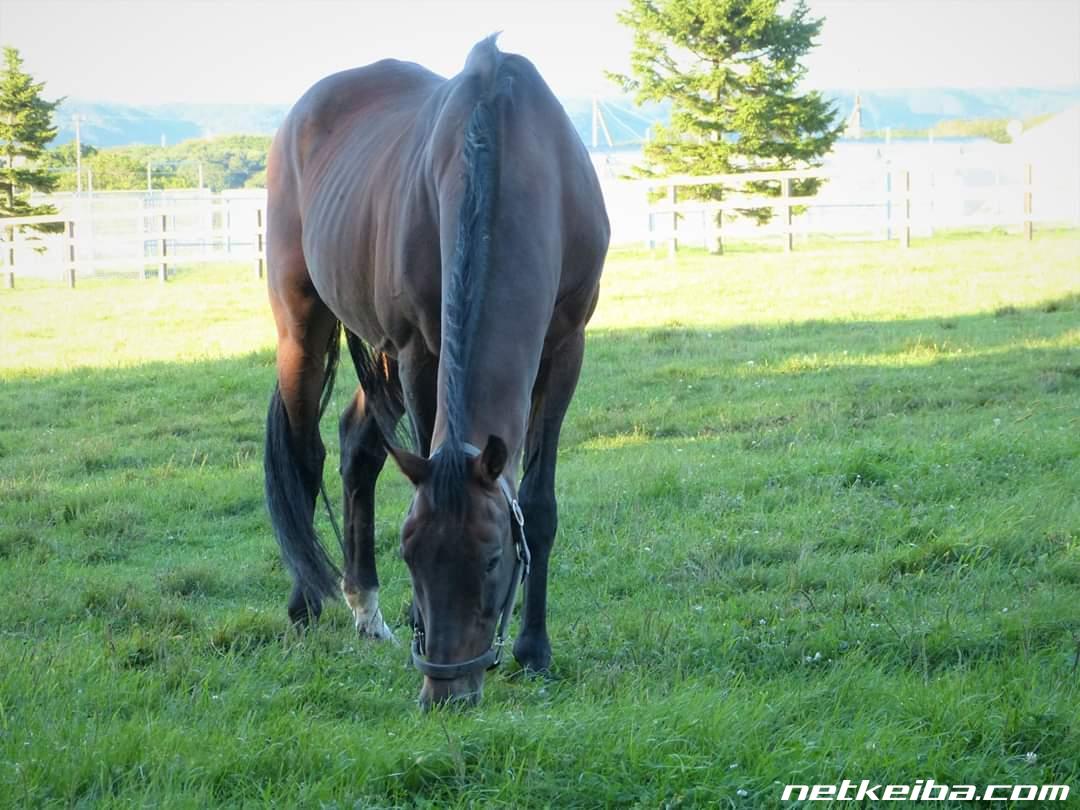
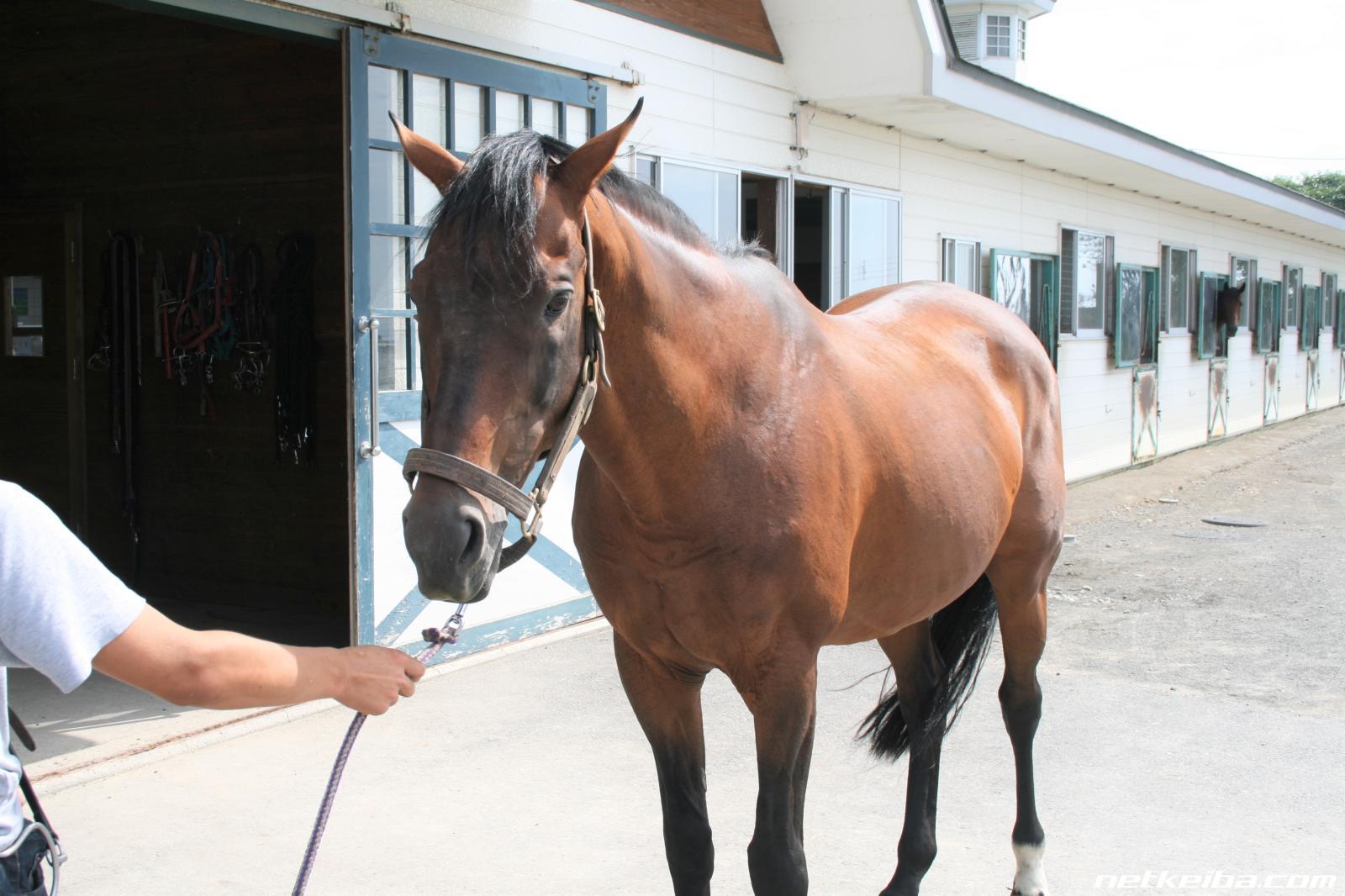
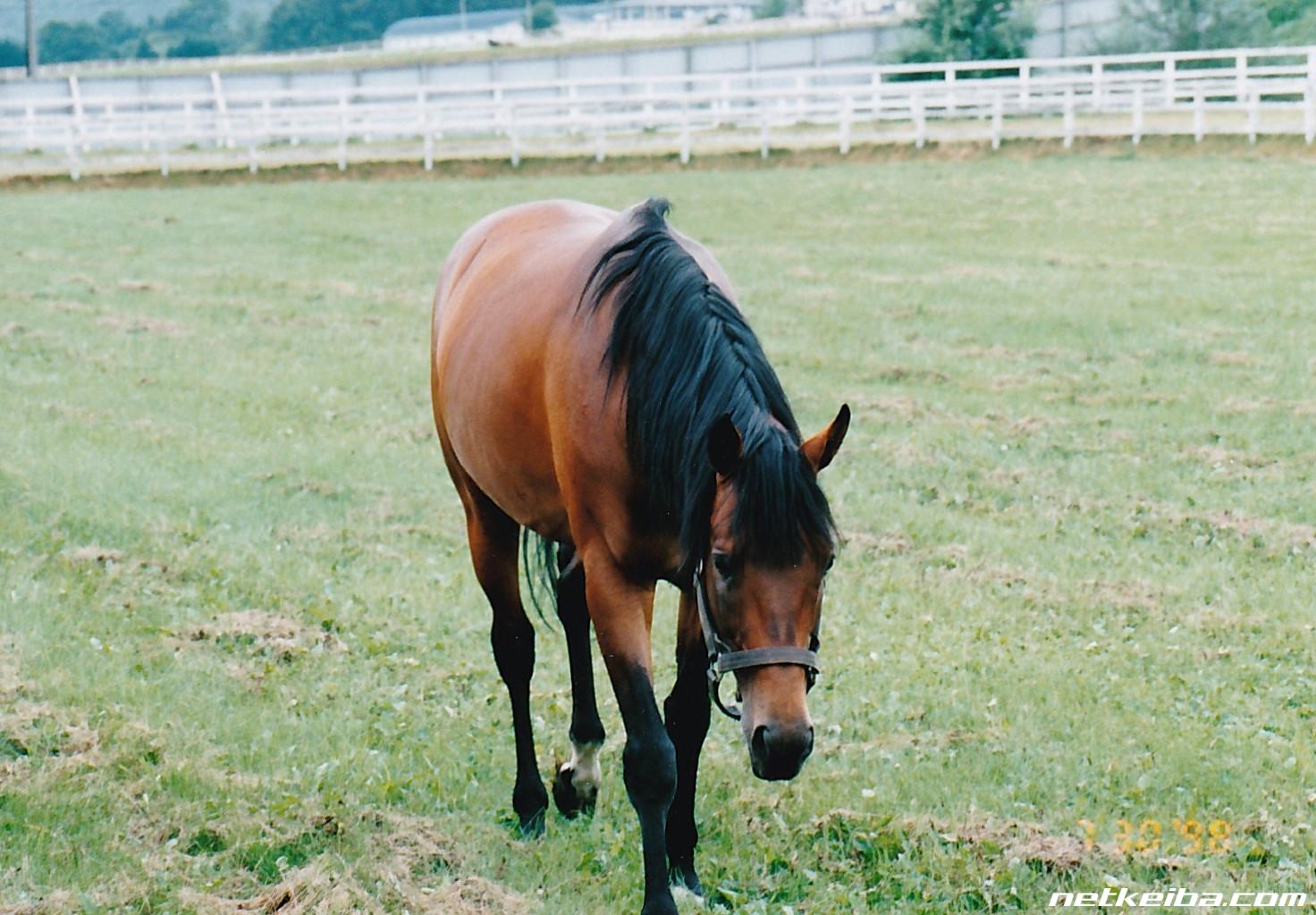
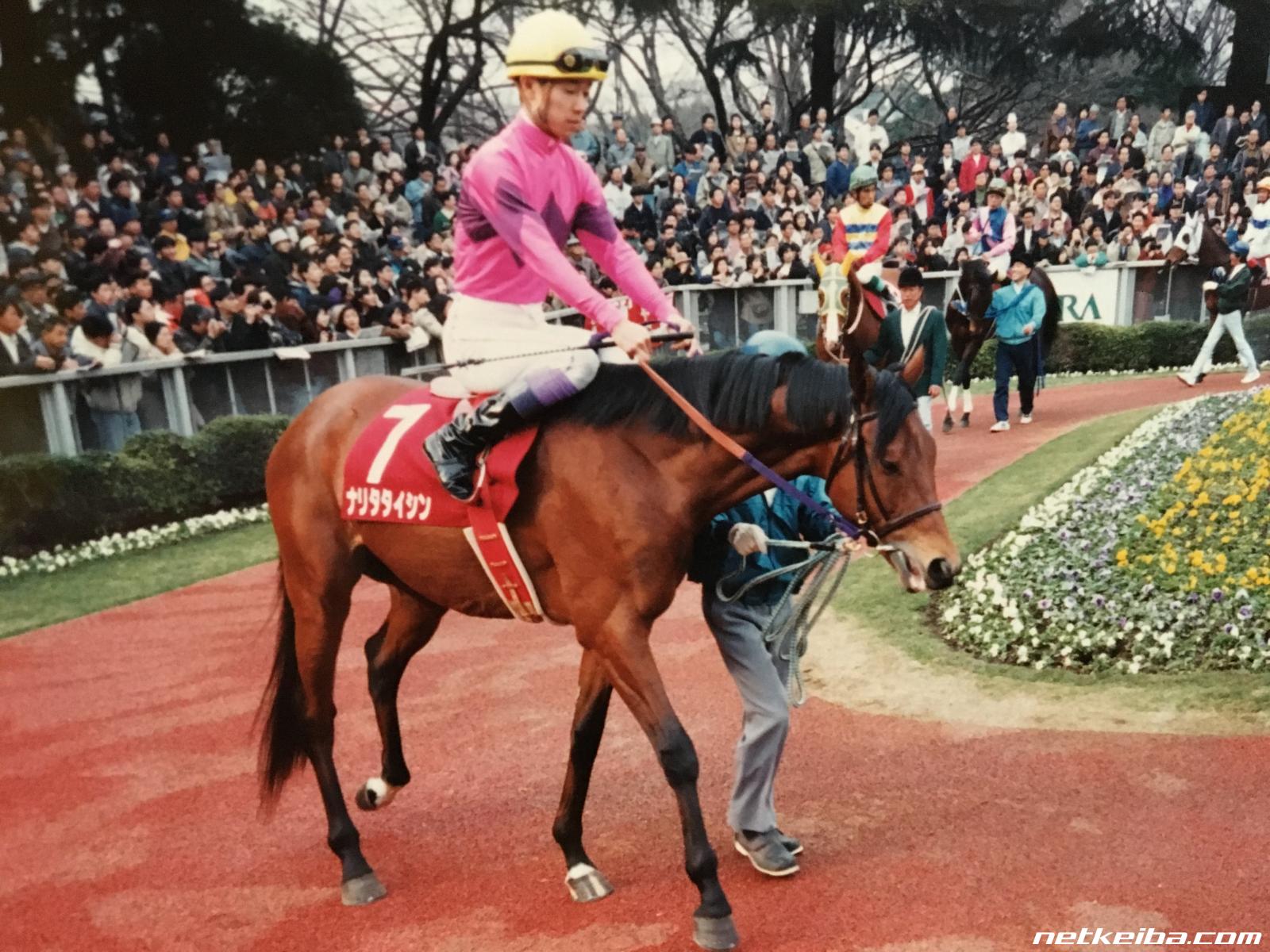
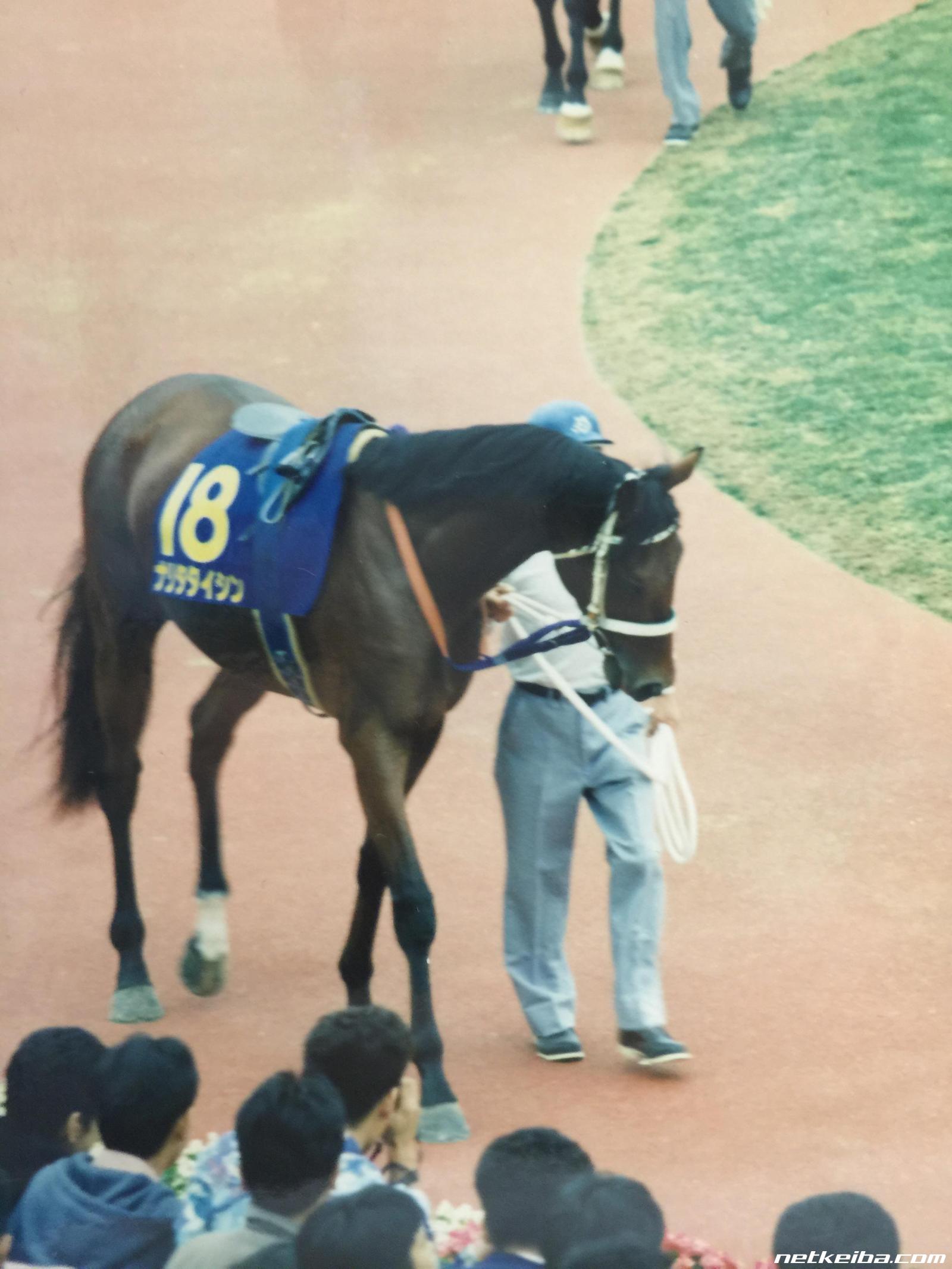
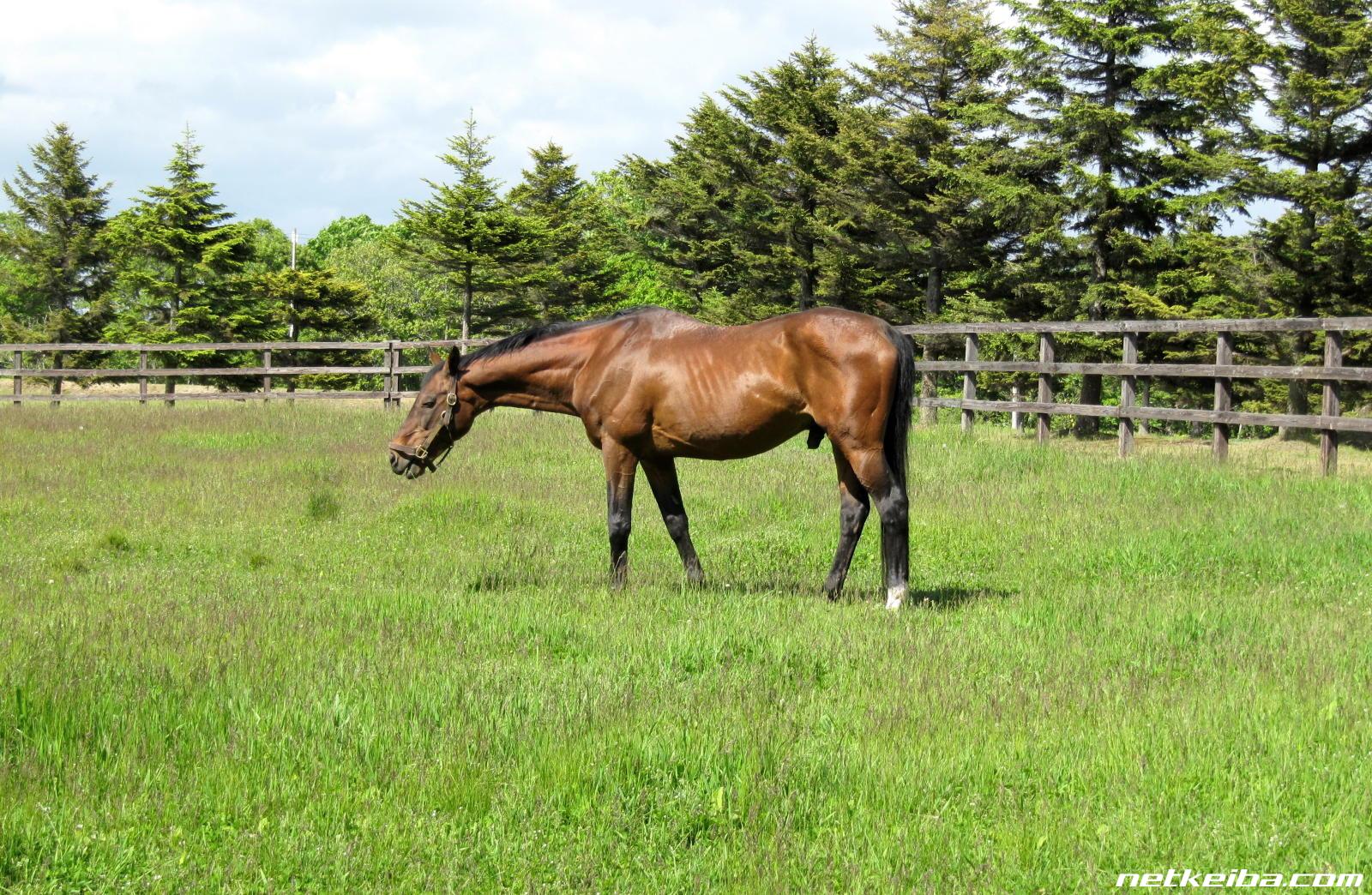
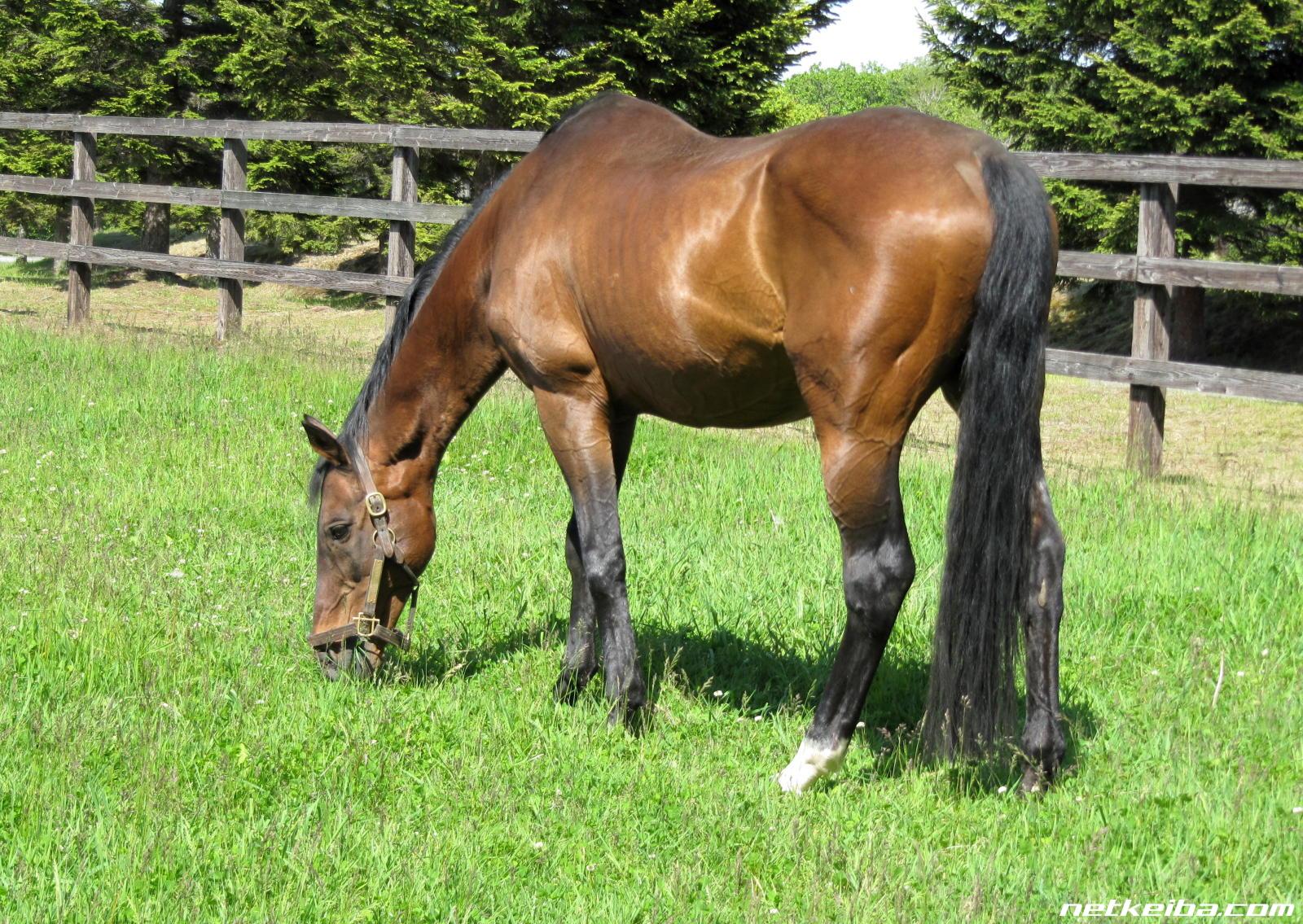
Narita Taishin was one of the notable Japanese middle-distance colts of the early 1990s, a bay stallion foaled on 10 June 1990. Bred by Etsuo Kawakami, he raced in the colours of Hidenori Yamaji and was trained from Ritto by Masaaki Okubo. He was by Rivlia out of Taishin Lily, with Ladiga as his damsire, giving him a pedigree that combined imported influence with a Japanese female family.
Career at a glance
Track record
Featured races
Finished 1st · G1 · at Nakayama · over 2000m · Nakayama (JP)
Finished 1st · G3 · at Hanshin · over 2000m · Hanshin (JP)
Finished 1st · G2 · at Tokyo · over 2500m · Tokyo (JP)
At a glance
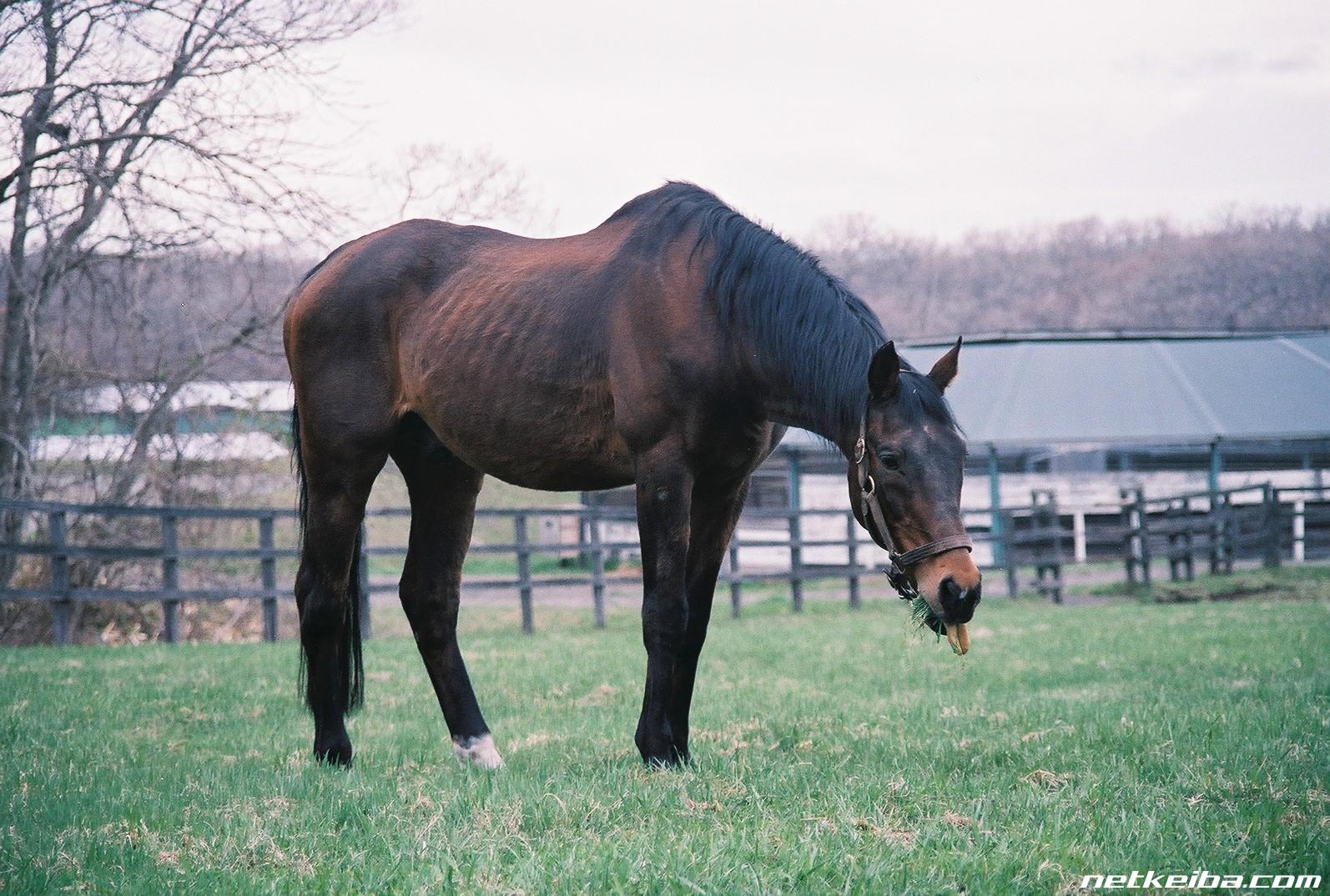
His racing career was relatively compact but high class. Across 15 starts he compiled a record of 4 wins, 6 seconds, and 1 third, earning ¥351.70 million in JRA prize money according to netkeiba, with Wikipedia listing total earnings of ¥397,408,000. Even in a career without a long list of top-level victories, he consistently competed at a high standard and built a reputation as a serious performer of his generation.
Narita Taishin is best remembered for his victory in the 1993 Satsuki Shō (Japanese 2000 Guineas), the first leg of the Japanese Triple Crown and the defining achievement of his career. That success secured his place among the classic winners of the era and remains the central reason he is remembered in Japanese racing history. Before that classic breakthrough, he had already shown talent by winning the 1992 Radio Tampa Hai Sansai Stakes, marking him out as a leading juvenile.
He remained competitive beyond his classic season, later adding the 1994 Meguro Kinen to his résumé. That helped underline his quality beyond a single spring peak and showed that he could continue to perform in important company as an older horse. His overall profile is that of a colt who may be chiefly celebrated for one great classic triumph, but whose form across multiple seasons gave that triumph lasting context.
After retirement, Narita Taishin stood at stud and was credited with 160 progeny. His legacy rests first on the Satsuki Shō, one of Japan’s cornerstone races, and on his place in the strong crop of early-1990s runners. He died on 13 April 2020.
More photographs
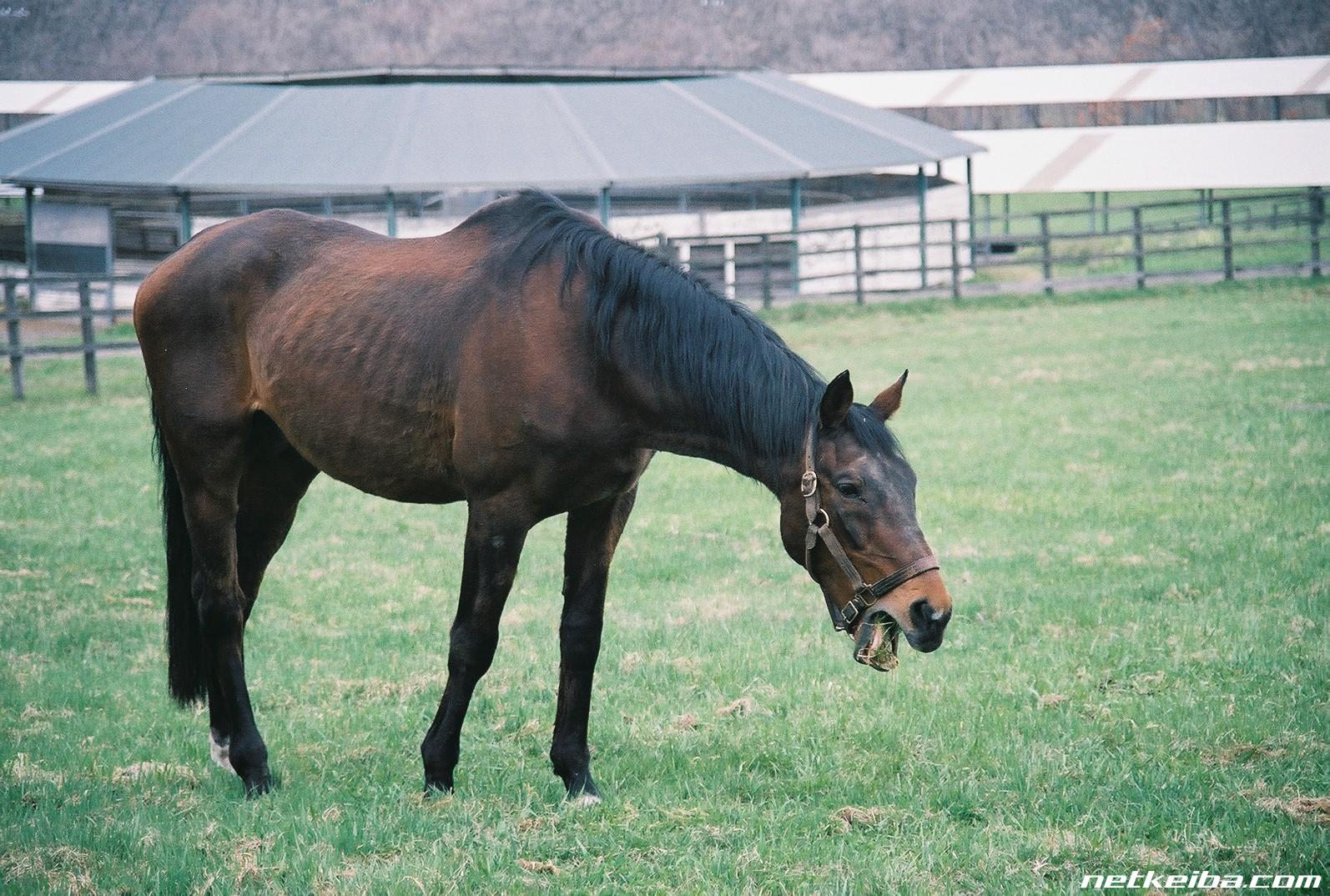
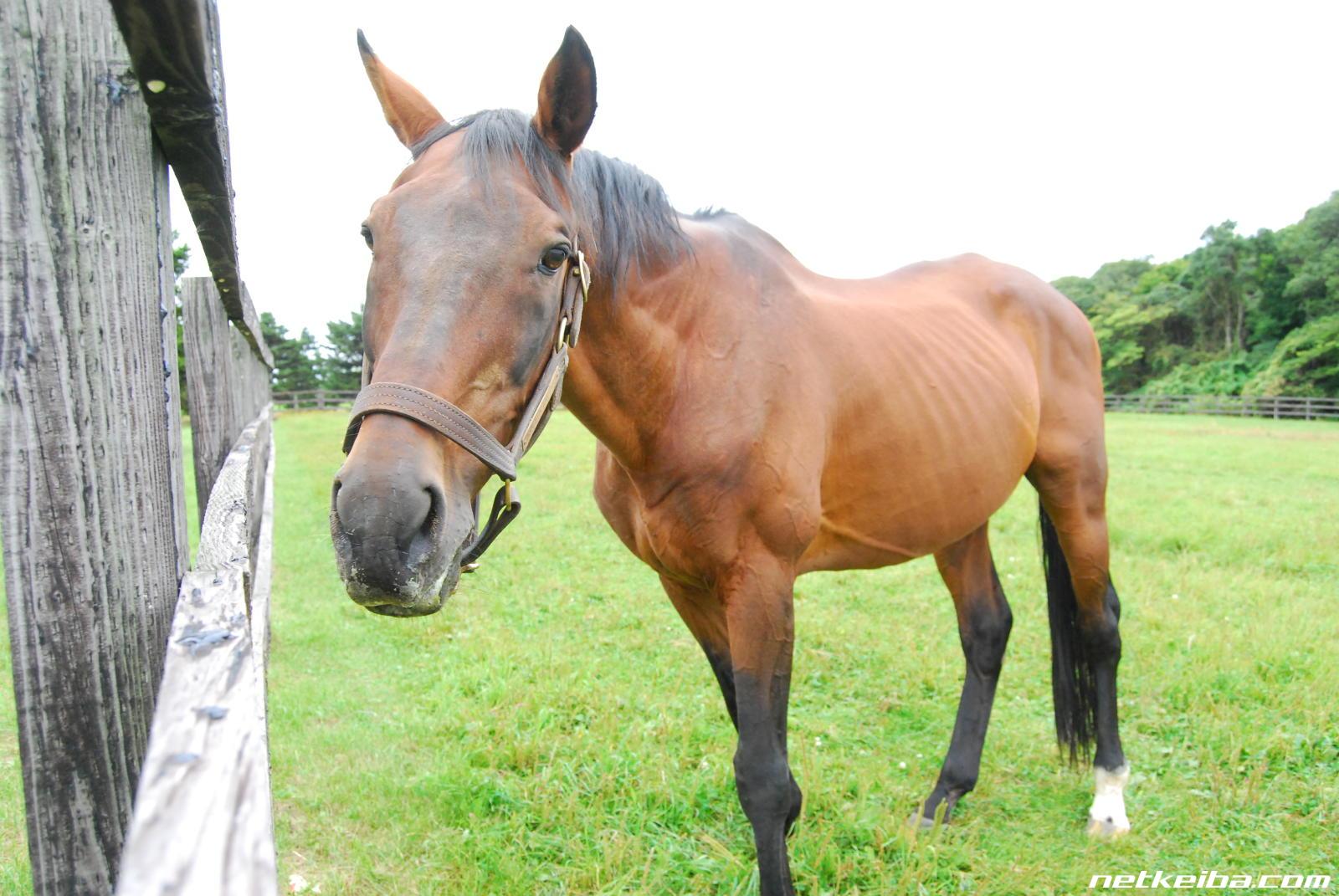
IRL image archive
8 more images
| Date | Race | Grade | Course | Going | Dist | Pos | Draw | Jockey | Wgt | SP | Time |
|---|---|---|---|---|---|---|---|---|---|---|---|
| 1995-06-04 |
TAKARAZUKA KINEN
|
G1 | Kyoto (JP) | Good to Soft | 2200 m | 16 | 8 | T.Yamada | 57.0 kg | 13.3 | 2:12.1 |
| 1994-04-24 |
TENNO SHO (SPRING)
|
G1 | Hanshin (JP) | Good to Soft | 3200 m | 2 | 6 | Yutaka Take | 58.0 kg | 6.5 | 3:22.8 |
| 1994-02-20 |
MEGURO KINEN
|
G2 | Tokyo (JP) | Good | 2500 m | 1 | 7 | Yutaka Take | 58.5 kg | 5.5 | 2:34.0 |
| 1993-11-07 |
KIKUKA SHO (JAPANESE ST.LEGER)
|
G1 | Kyoto (JP) | Good | 3000 m | 17 | 18 | Yutaka Take | 57.0 kg | 11.1 | 3:14.1 |
| 1993-07-11 |
TAKAMATSUNOMIYA HAI
|
G2 | Kyoto (JP) | Good | 2000 m | 2 | 4 | Yutaka Take | 56.0 kg | 2.2 | 1:59.2 |
| 1993-05-30 |
TOKYO YUSHUN (JAPANESE DERBY)
|
G1 | Tokyo (JP) | Good | 2400 m | 3 | 1 | Yutaka Take | 57.0 kg | 4.0 | 2:25.8 |
| 1993-04-18 |
SATSUKI SHO (JAPANESE 2000 GUINEAS)
|
G1 | Nakayama (JP) | Good | 2000 m | 1 | 14 | Yutaka Take | 57.0 kg | 9.2 | 2:00.2 |
| 1993-03-07 |
HOCHI HAI YAYOI SHO
|
G2 | Nakayama (JP) | Good | 2000 m | 2 | 9 | Yutaka Take | 55.0 kg | 3.5 | 2:00.4 |
| 1993-01-17 |
NIKKAN SPORTS SHO SHINZAN KINEN
|
G3 | Kyoto (JP) | Good | 1600 m | 2 | 10 | E.Shimizu | 56.0 kg | 4.7 | 1:36.0 |
| 1992-12-26 |
RADIO TAMPA HAI SANSAI STAKES
|
G3 | Hanshin (JP) | Good | 2000 m | 1 | 1 | E.Shimizu | 54.0 kg | 16.3 | 2:05.8 |
| 1992-12-19 |
ALW (1 Win)
|
Pre-OP | Hanshin (JP) | Good | 1600 m | 2 | 2 | E.Shimizu | 54.0 kg | 21.9 | 1:38.2 |
| 1992-11-21 |
FUKUSHIMA SANSAI STAKES
|
OP | Fukushima (JP) | Good | 1200 m | 2 | 2 | E.Shimizu | 53.0 kg | 13.8 | 1:10.7 |
| 1992-10-25 |
ALW (1 Win)
|
Pre-OP | Fukushima (JP) | Good | 1700 m | 6 | 9 | M.Uchiyama | 53.0 kg | 4.5 | 1:46.3 |
| 1992-10-10 |
3yo MDN
|
Maiden | Fukushima (JP) | Good to Soft | 1700 m | 1 | 3 | E.Shimizu | 53.0 kg | 2.4 | 1:44.7 |
| 1992-07-11 |
3yo DBT
|
Maiden | Sapporo (JP) | Good | 1000 m | 6 | 5 | Norihiro Yokoyama | 53.0 kg | 2.1 | 1:00.3 |
Citations
Race Result Sources
AI Race Import 2026-06-22 10:08 UTC
Imported and enriched race results from supported racing sources.