

Uma profile

Mejiro McQueen


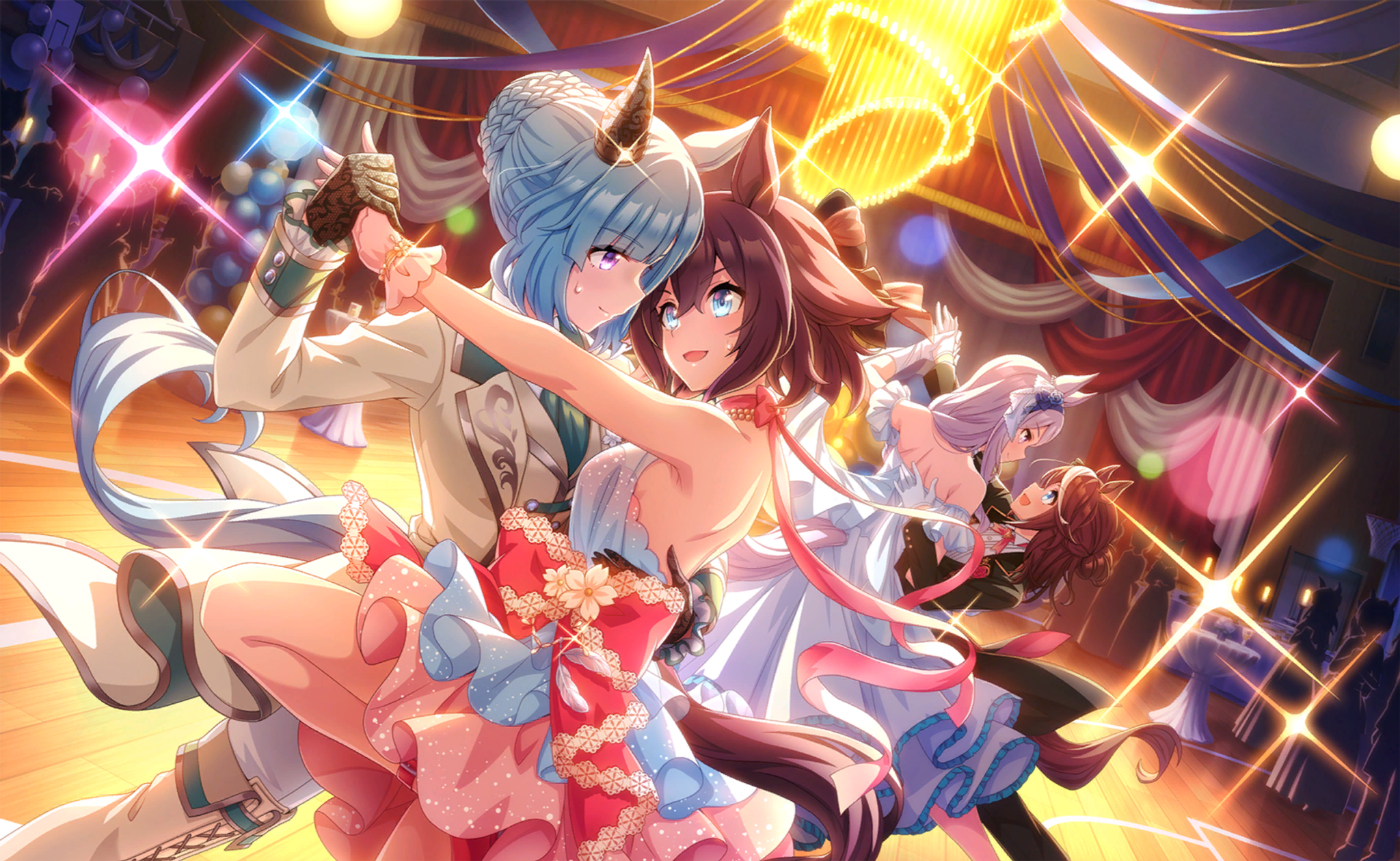
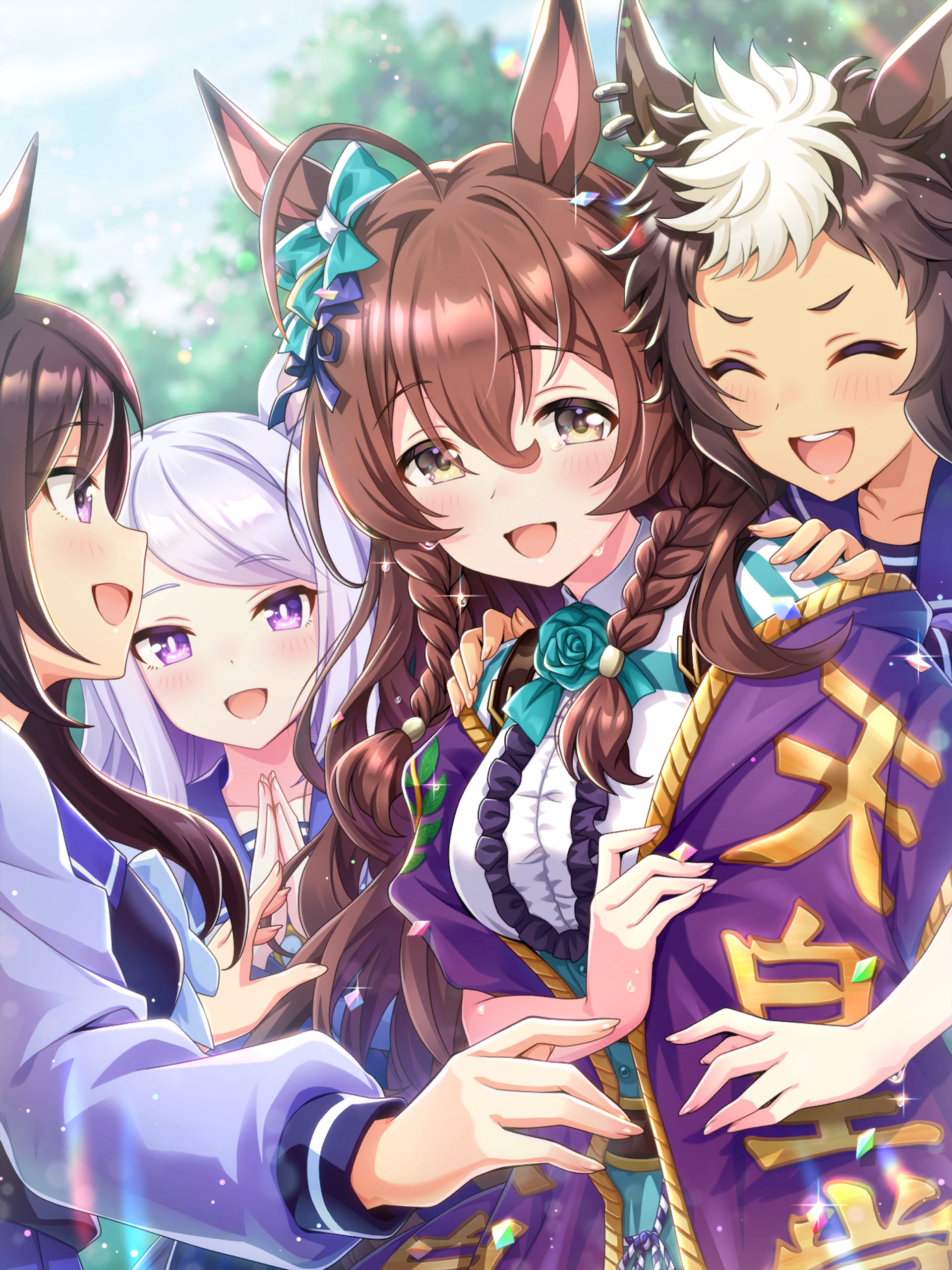
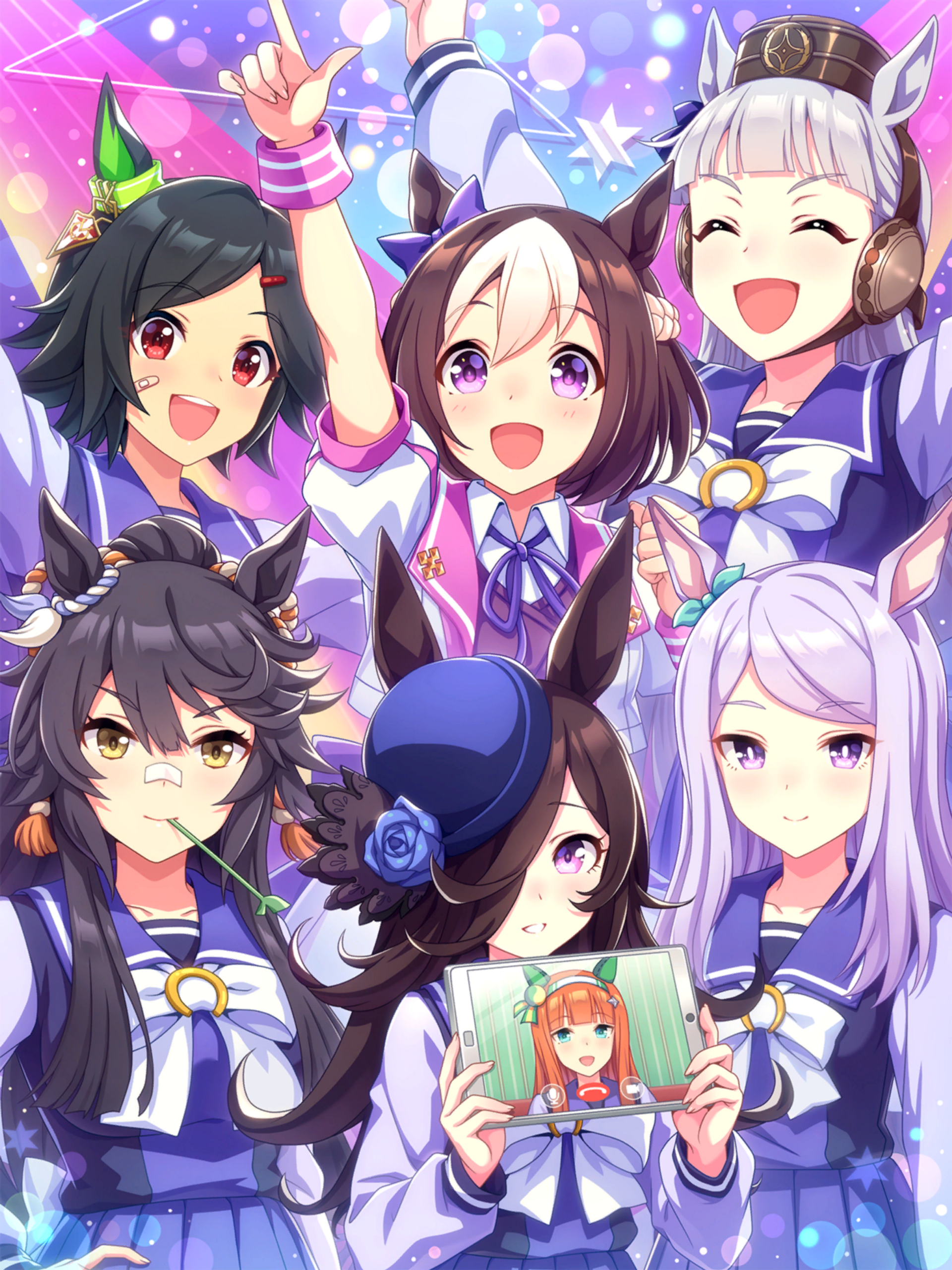
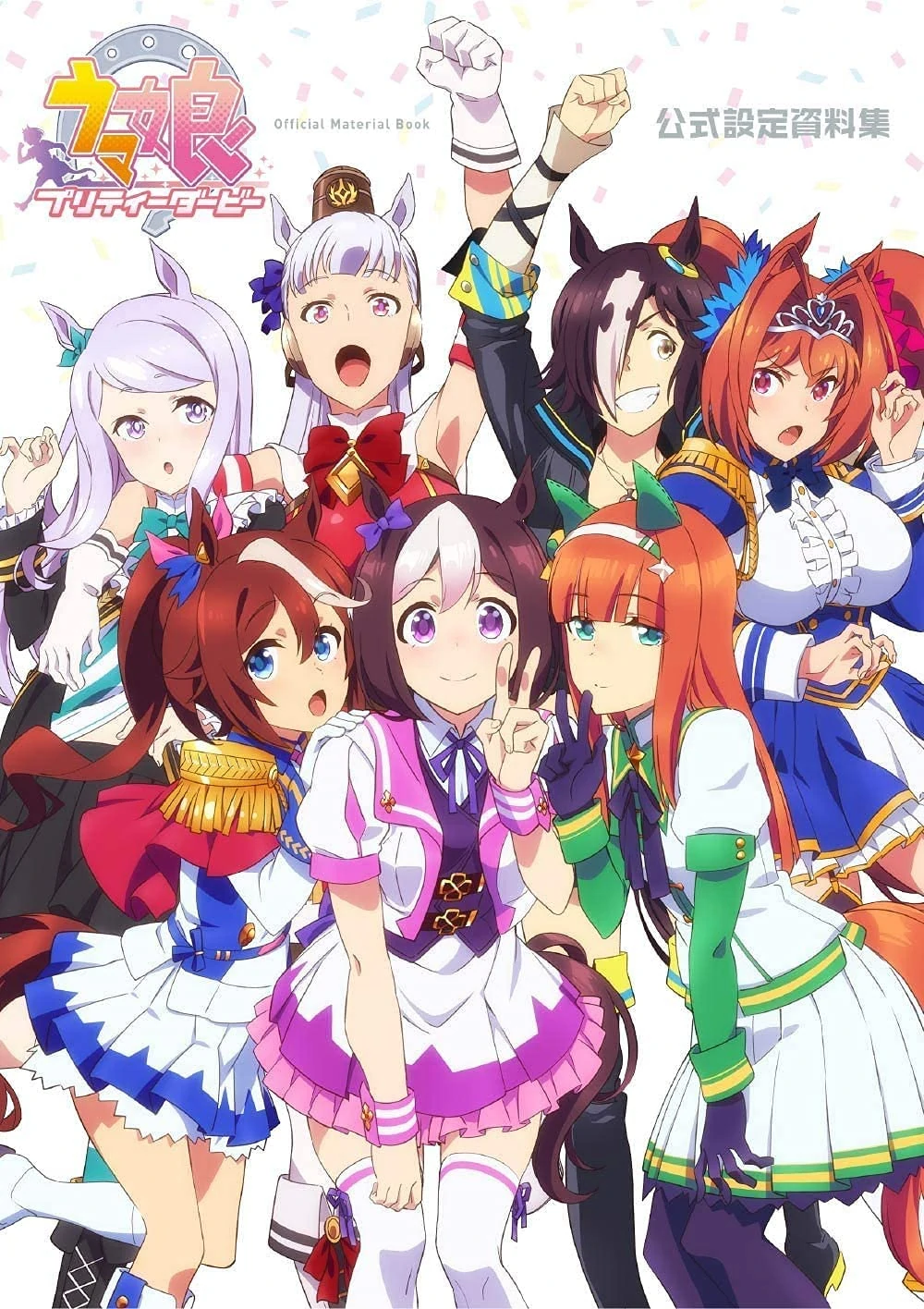
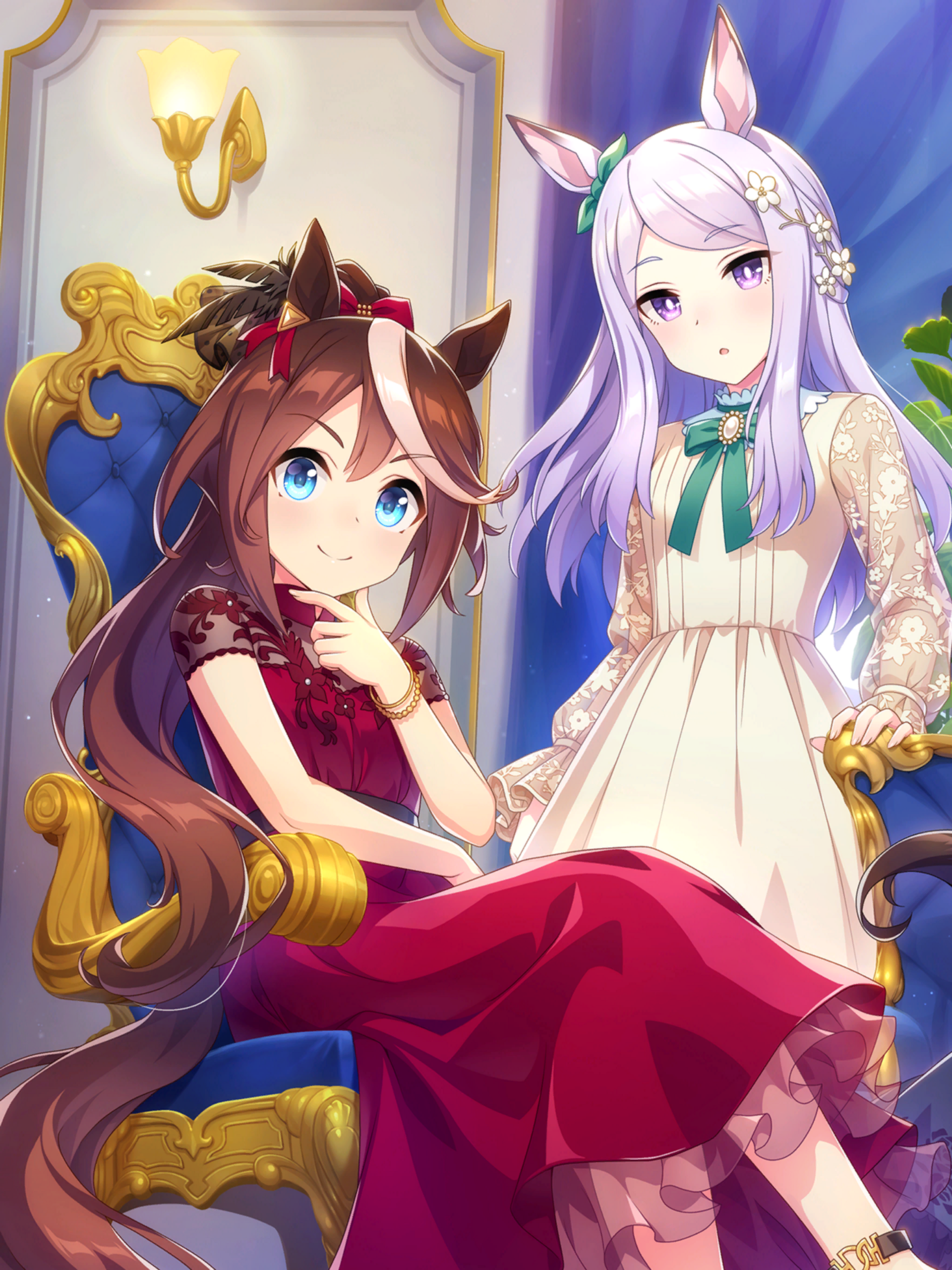
Mejiro McQueen carries herself with the kind of poise that makes “elegant” feel almost too small a word. A member of the Junior Division and a resident of Ritto Dorm, she gives off a polished, aristocratic air, right down to her refined self-pronoun, watakushi. Yet that stately image is balanced by the wonderfully human little details that keep her from feeling distant: she calls her mentor Trainer-san, shares a room with Ikuno Dictus, and even has the memorable official weight note, “Slight increase (making frantic adjustments!).” For all her grandeur, McQueen is not above a moment of fluster.
Physically, she is a compact 159 cm, with a recorded shoe size of 22.5 cm and measurements of B71/W54/H76. Her official color palette, a cool turquoise paired with soft lavender, suits her beautifully: composed, dignified, and just a touch dreamy. She is voiced by Saori Onishi, whose performance helps define that balance in McQueen’s presence between noble composure and approachable charm. Even her archive emoji, 🍰, adds a wink of personality to the image.
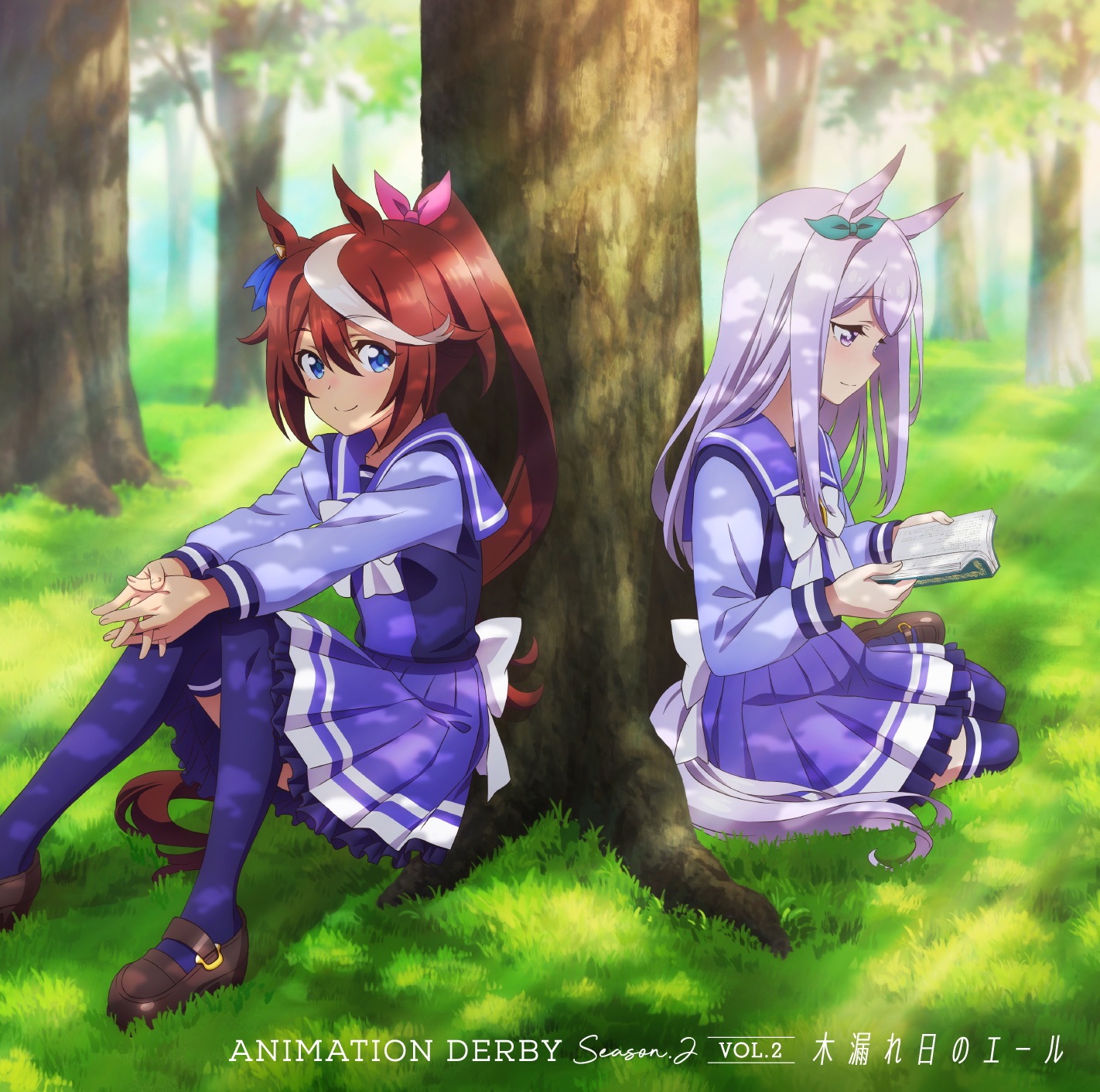
In the broader Uma Musume story, McQueen is far from a background ornament. She appears as a supporting character in Season 1 of the anime, rises to co-protagonist status in Season 2 alongside Tokai Teio, and returns again in a supporting role in Season 3. She is also featured in the Cinderella Gray manga. That recurring prominence fits a character who feels built for the spotlight: not flashy in a chaotic way, but quietly commanding, with the kind of gravitas that naturally draws attention.
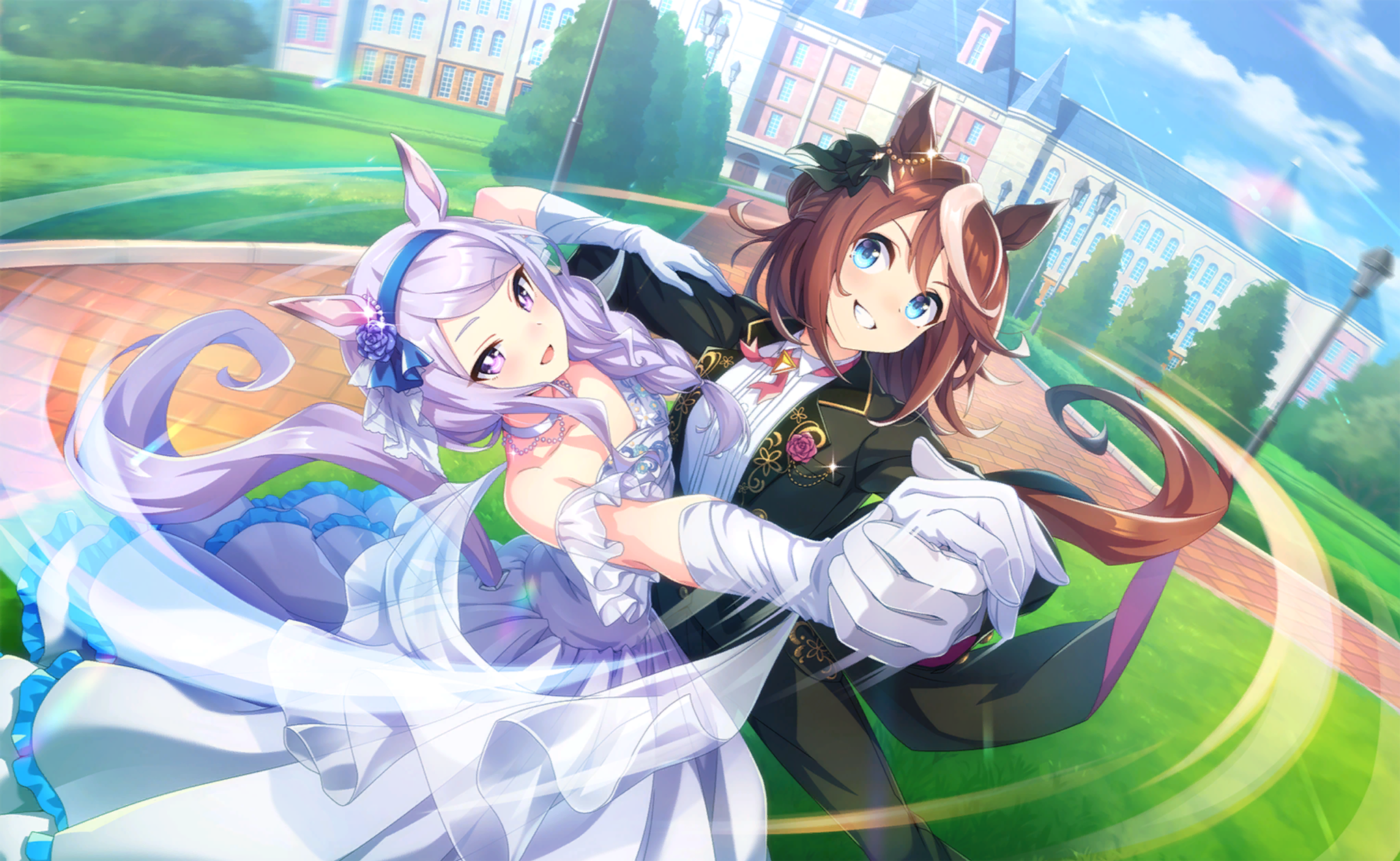
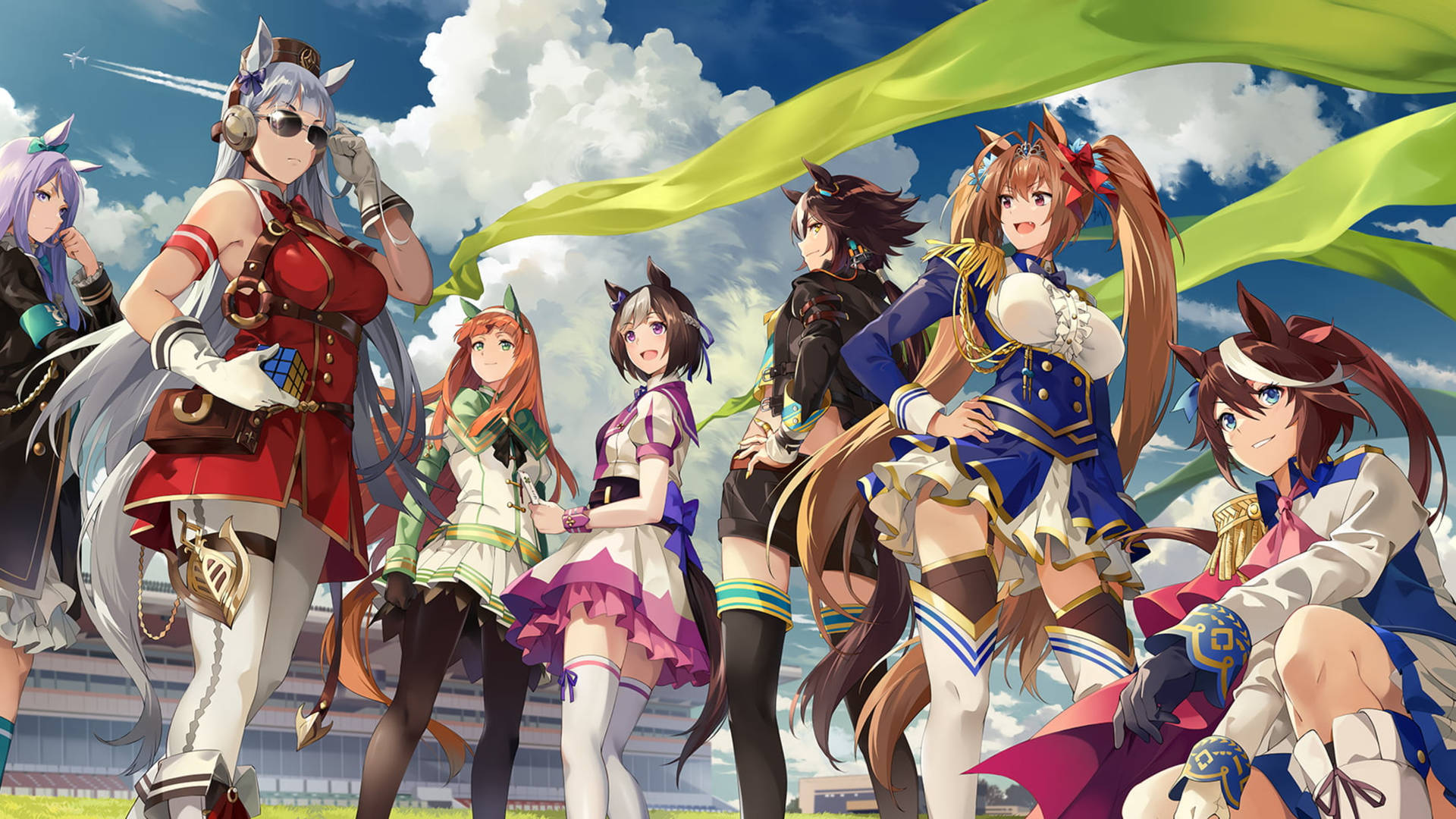
Her connection map is one of the most eye-catching parts of her profile. Tokai Teio and Mejiro Ryan are both listed as rivals, giving McQueen a competitive orbit that feels central to her identity, while Gold Ship, Ikuno Dictus, and Ryan also appear among her related characters. Tokai Teio in particular stands out simply because the two are paired so prominently in the anime record; McQueen’s profile gains extra dramatic weight from that association alone. She feels like the sort of Uma Musume who sharpens the story around her just by being in it.
Even without an elaborate official bio attached here, Mejiro McQueen’s outline is already vivid: graceful, high-born in bearing, unmistakably important, and just relatable enough to avoid becoming untouchable. She is a character of composure and presence, with a public image polished to a shine and a few delightfully earnest edges showing through.
Sources

















Touch fallback
Mejiro McQueenTouch and smaller layouts use grouped connection cards instead of the live radar. Open any entry to follow the relationship directly.
Same races
Same Races
10 shared rivals

Latest: KYOTO DAISHOTEN · 1993-10-10

Latest: TAKARAZUKA KINEN · 1993-06-13

Latest: Arima Kinen · 1991-12-22

Latest: SANKEI OSAKA HAI · 1993-04-04

Latest: TAKARAZUKA KINEN · 1993-06-13

Latest: TENNO SHO (SPRING) · 1993-04-25

Latest: TENNO SHO (SPRING) · 1993-04-25

Latest: Arima Kinen · 1991-12-22

Latest: Arima Kinen · 1991-12-22

Latest: TAKARAZUKA KINEN · 1991-06-09
Related Umas
4 total · 4 linked
Rivals
2 total · 2 linked
Mentioned By Related Umas
10 profiles


Mentioned By Rivals
3 profiles
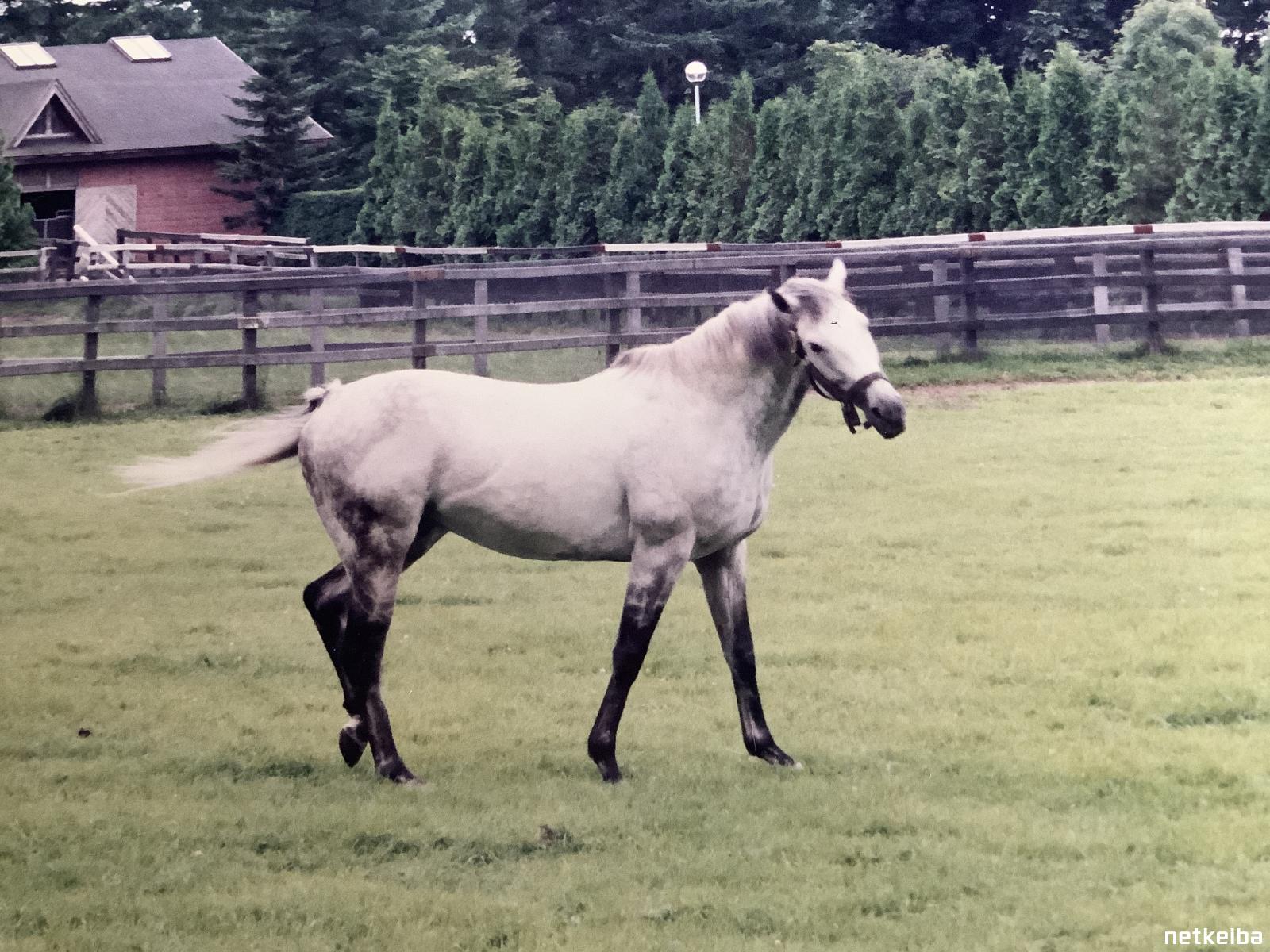
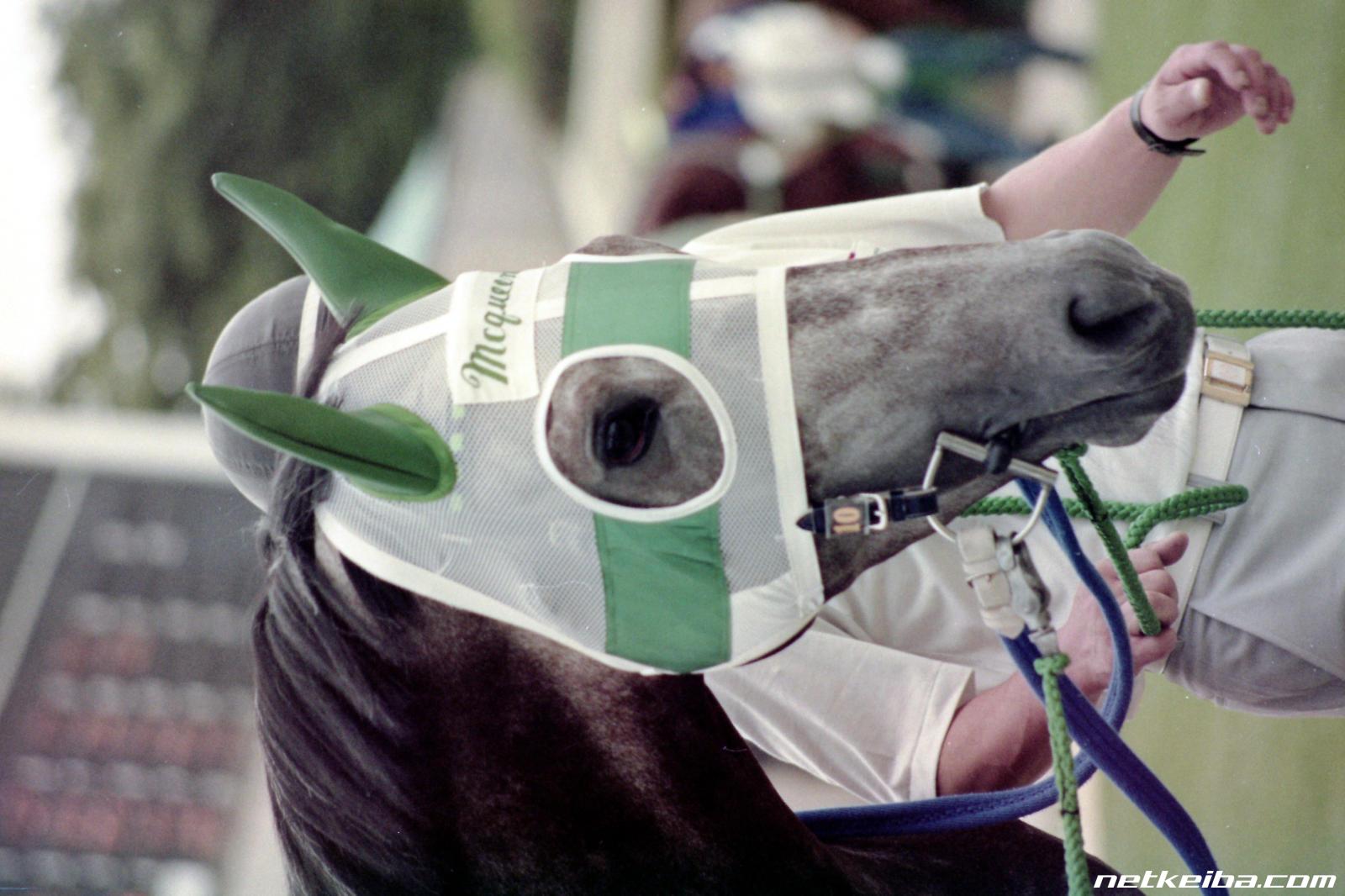
Mejiro McQueen was one of Japan’s standout grey champions of the late 1980s and early 1990s, a horse whose record and staying-class made him a lasting name in JRA history. Foaled on 3 April 1987 and bred in Japan by Katashi Yoshida, he raced in the colours of Mejiro Shoji and was trained by Yasuo Ikee. Over a relatively compact career, he compiled a record of 21 starts for 12 wins, 6 seconds and 1 third, with total earnings of 1,014,657,700 yen.
Career at a glance
Track record
Featured races
Finished 1st · G1 · at Kyoto · over 3000m · Kyoto (JP)
Finished 1st · G1 · at Kyoto · over 3200m · Kyoto (JP)
Finished 1st · G1 · at Hanshin · over 2200m · Hanshin (JP)
At a glance
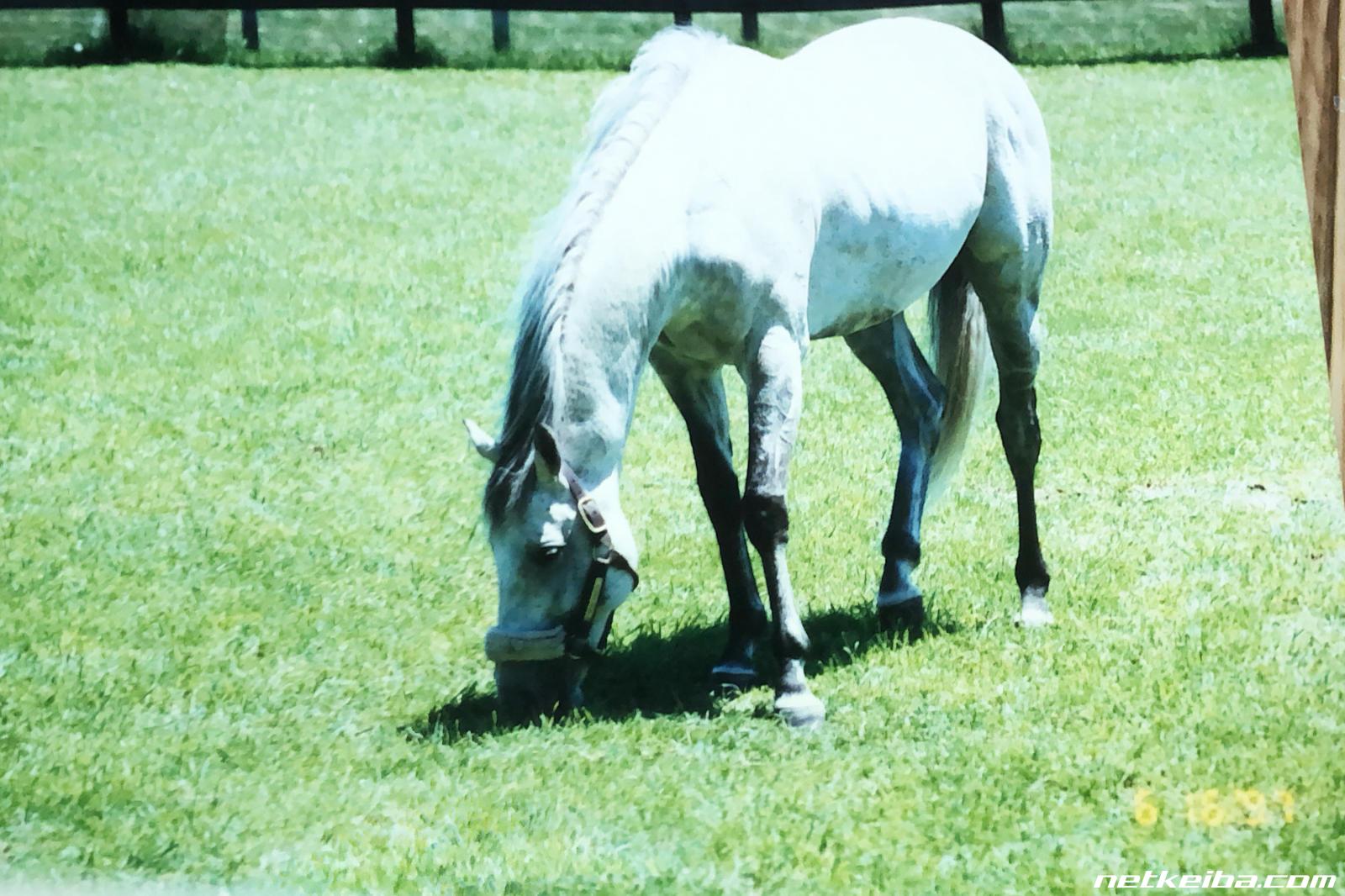
He was strongly tied to the distinguished Mejiro family. Mejiro McQueen was by Mejiro Titan, a son of Mejiro Asama, and out of Mejiro Aurola, by Remand. His close relations included Mejiro Durren, Mejiro Darwin, and Mejiro Limburg, underlining the depth of the family cultivated around the Mejiro name. In pedigree terms as well as performance, he represented one of the notable home-bred Japanese lines of his era.
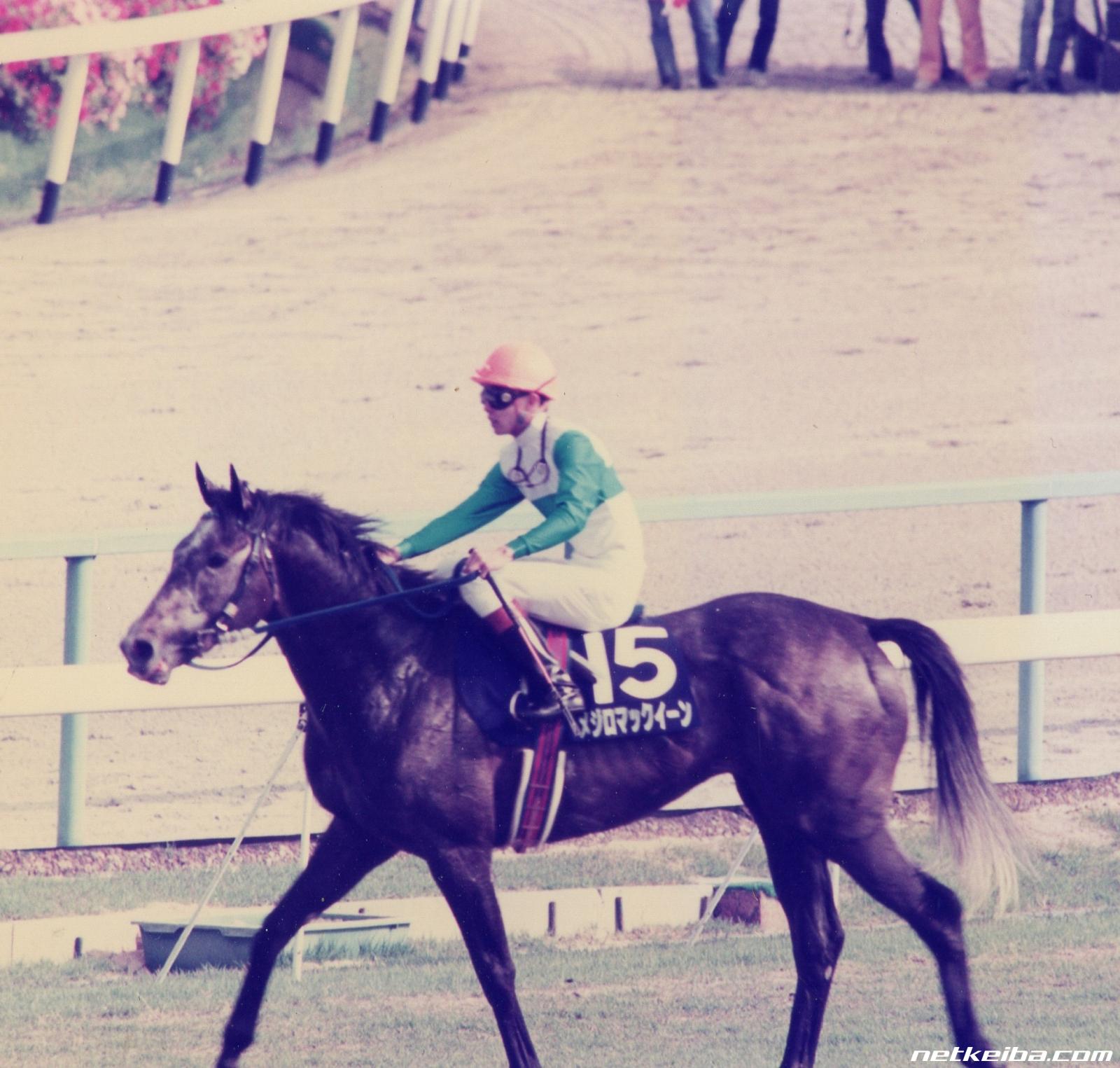
His rise to the top was confirmed in the 1990 Kikuka Sho, one of the Japanese Triple Crown races, and he then became especially prominent among older horses. In 1991 he won the Hanshin Daishoten, the Tenno Sho (Spring), and the Kyoto Daishoten, a sequence that helped earn him the JRA Award for Best Older Male Horse. He repeated in the Tenno Sho (Spring) in 1992, giving him back-to-back victories in one of Japan’s great staying prizes, and also added a second Hanshin Daishoten.
Mejiro McQueen remained a major force into 1993, capturing the Sankei Osaka Hai, another Kyoto Daishoten, and the Takarazuka Kinen. Across his career, his major wins showed both durability and class, and his earnings in JRA races alone reached ¥998.10 million. His achievements were recognised formally when he was inducted into the JRA Hall of Fame in 1994.
After retirement, his stature as a racehorse remained secure, and he is remembered as one of the hallmark grey stars of modern Japanese racing. Mejiro McQueen died on 3 April 2006, fittingly on his nineteenth birthday, but his name endures through his race record, Hall of Fame status, and place within the storied Mejiro bloodline.
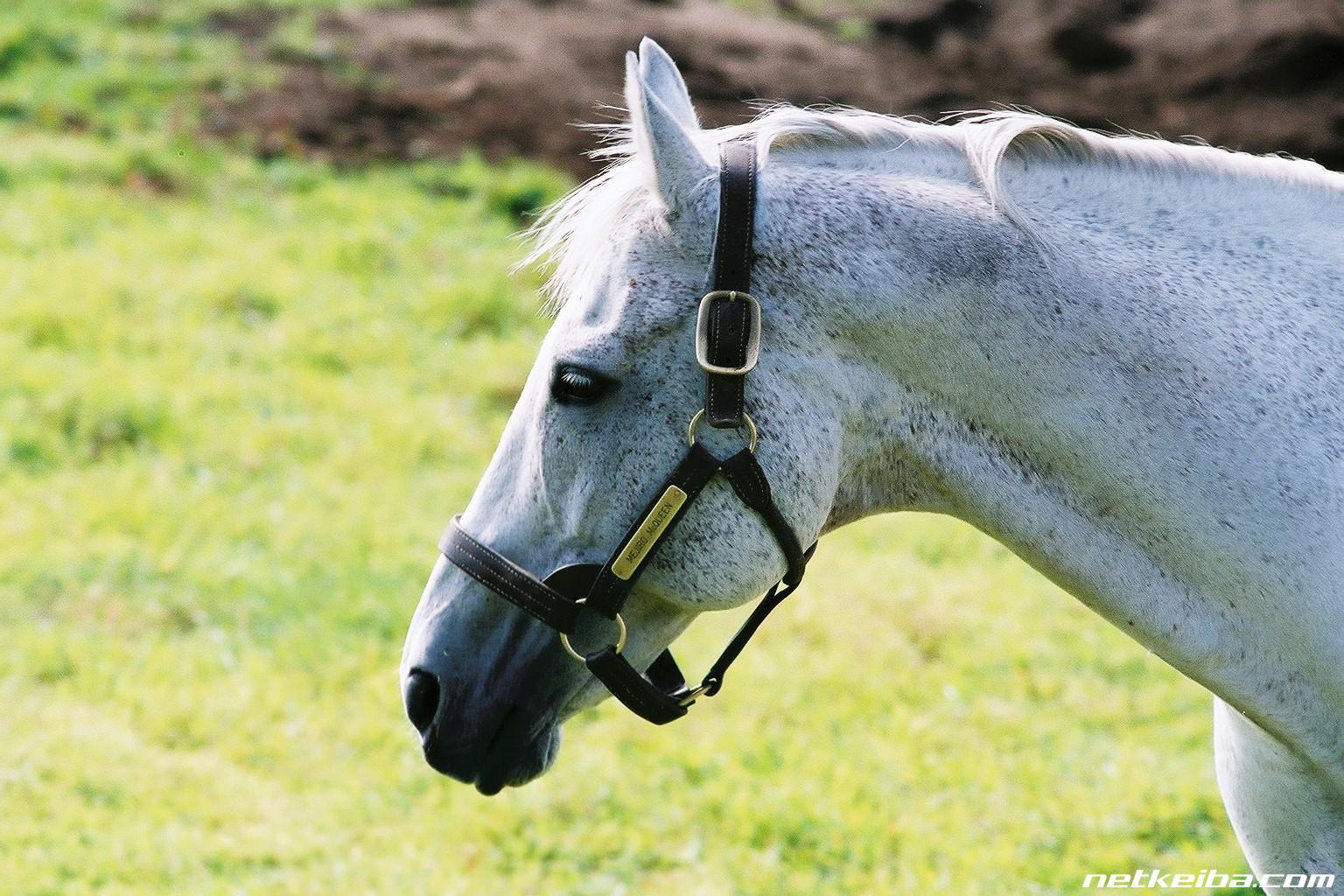
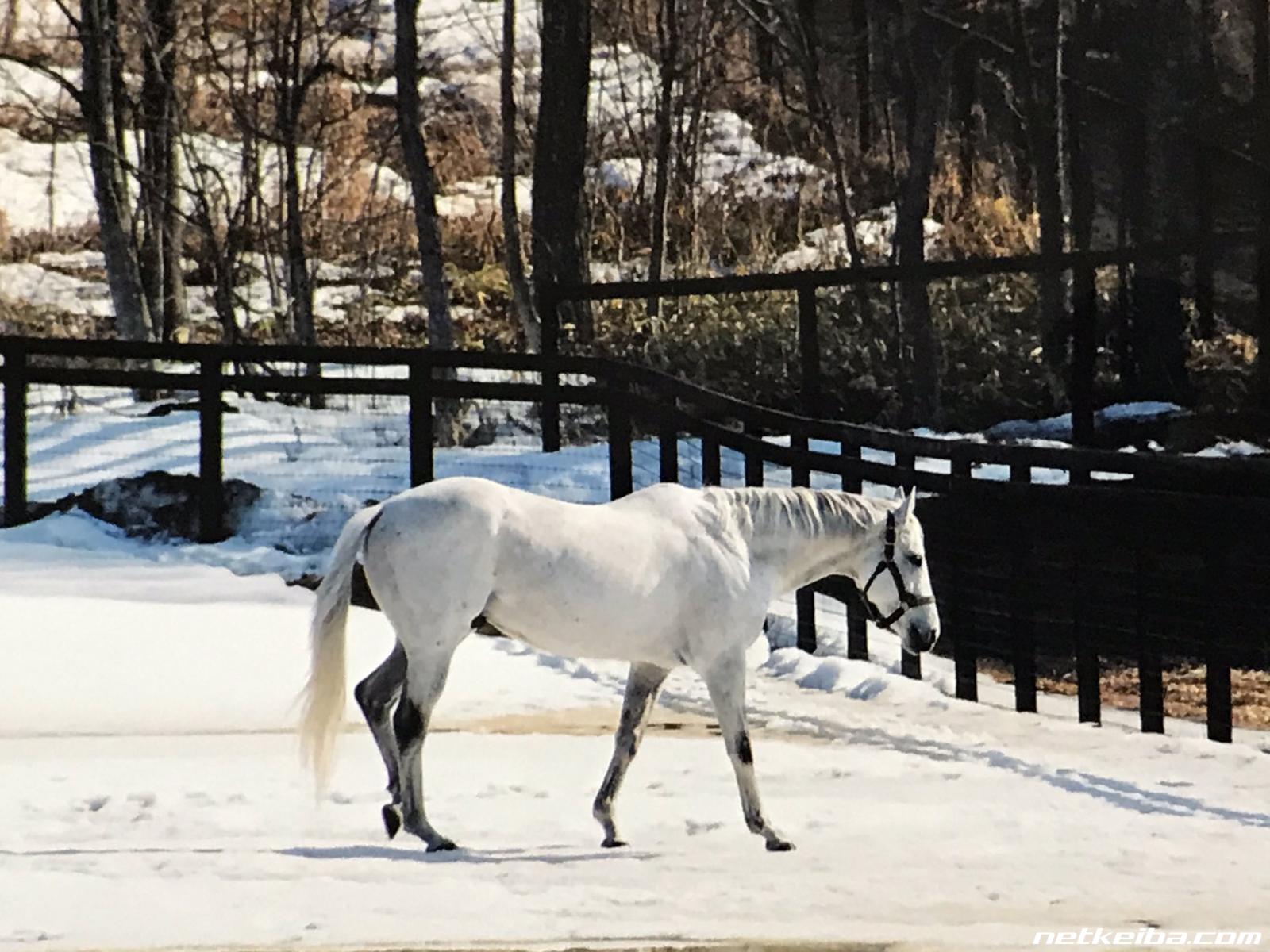
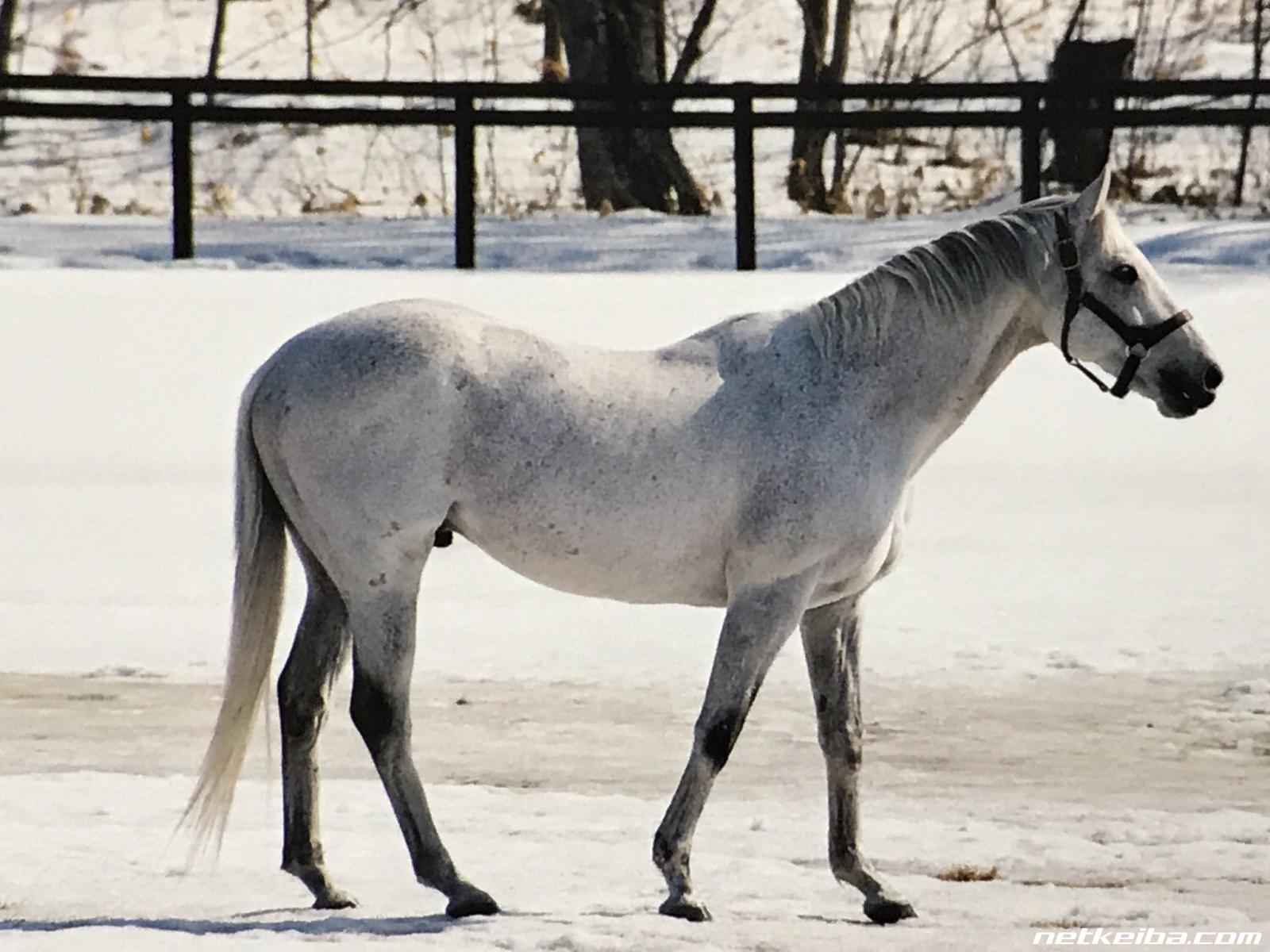
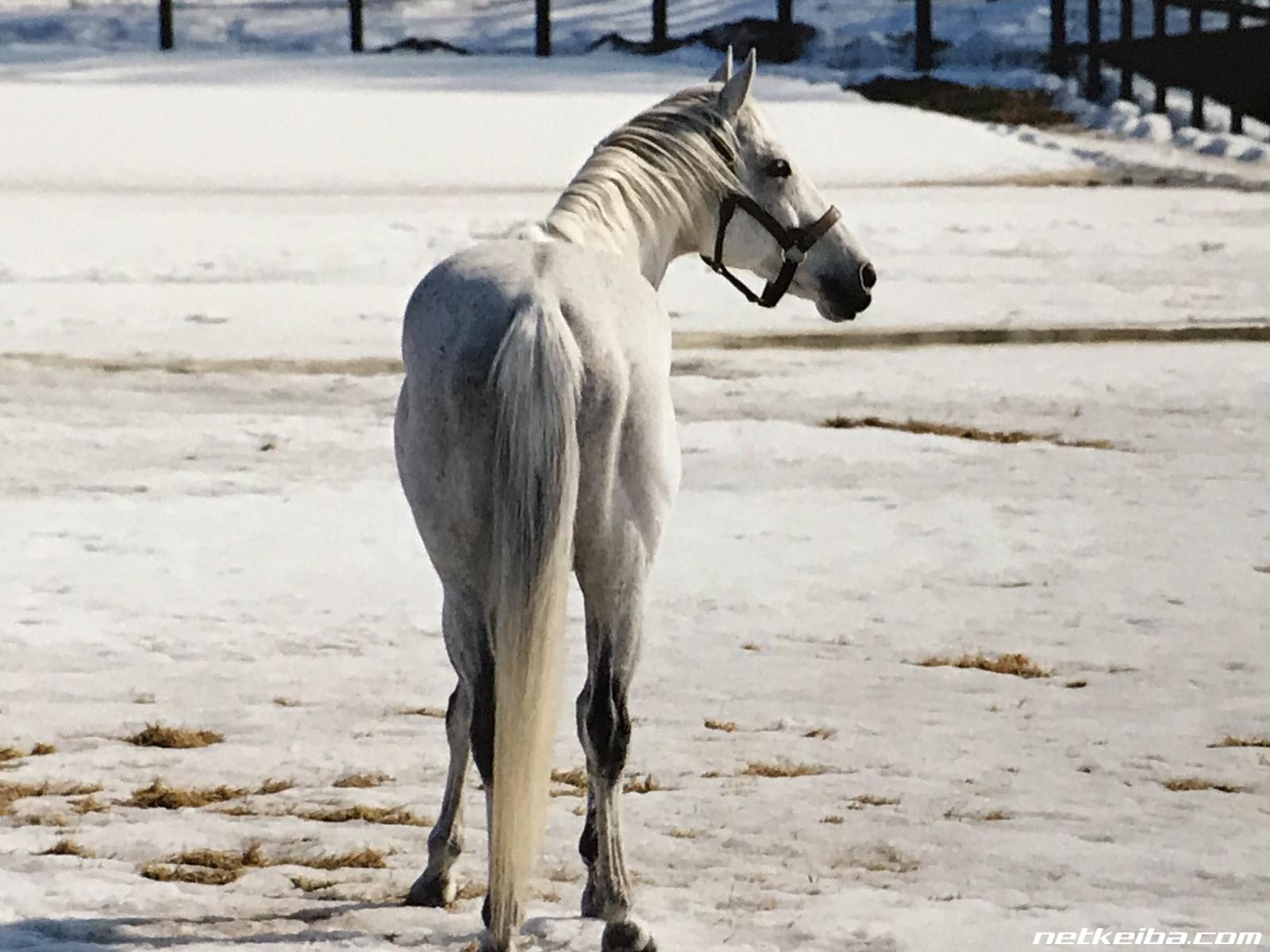
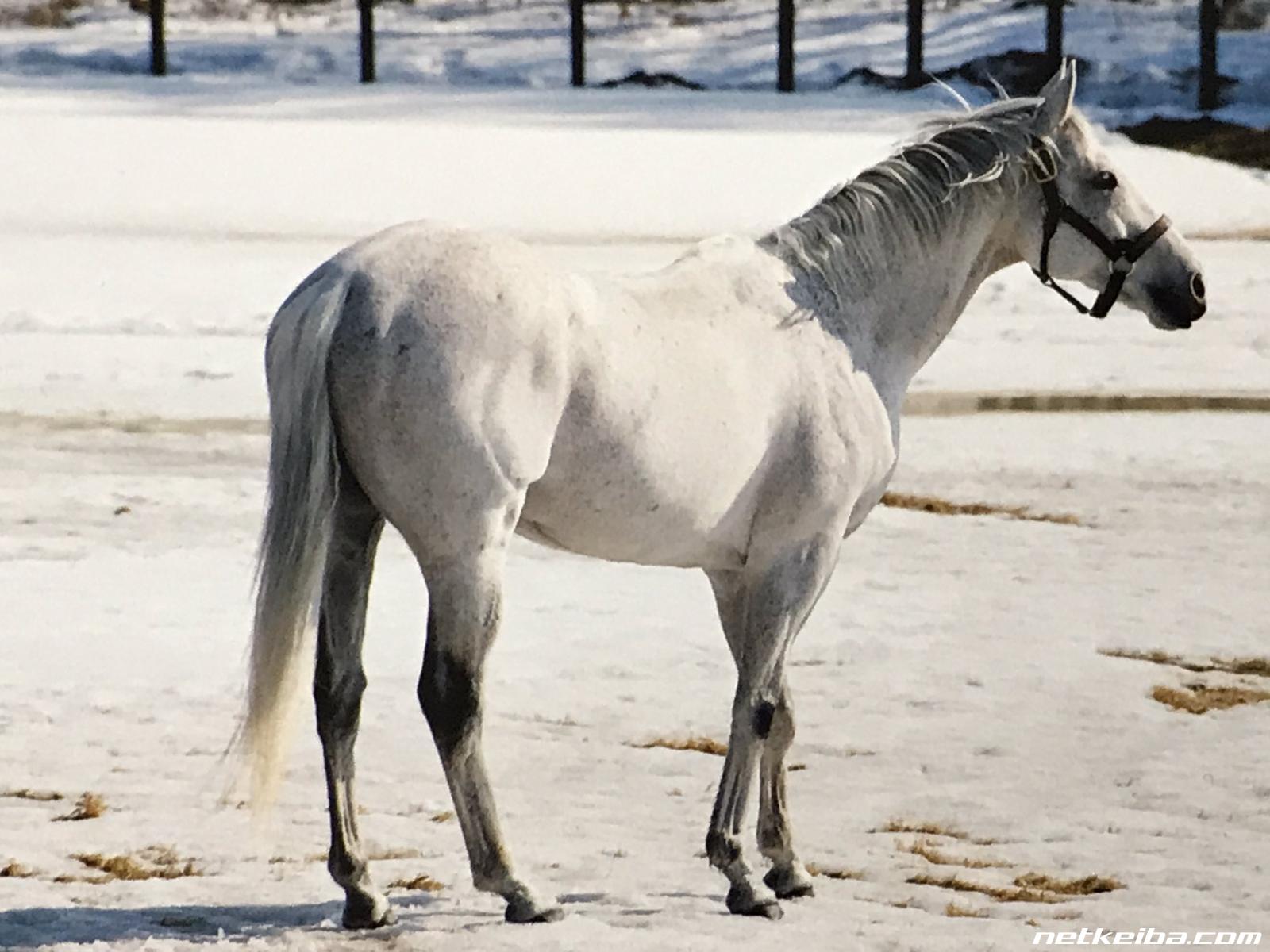
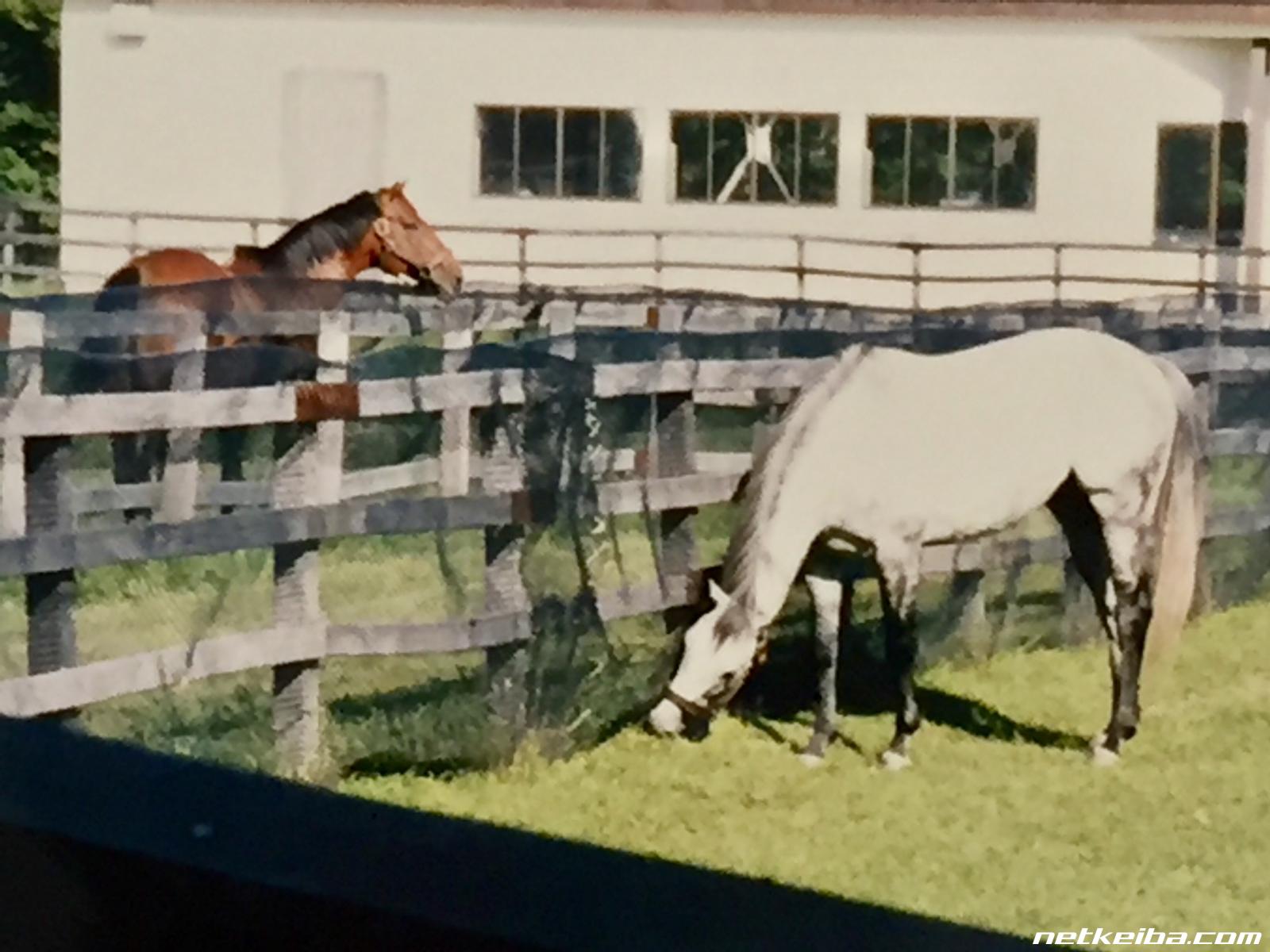
More photographs
IRL image archive
8 more images
| Date | Race | Grade | Course | Going | Dist | Pos | Draw | Jockey | Wgt | SP | Time |
|---|---|---|---|---|---|---|---|---|---|---|---|
| 1993-10-10 |
KYOTO DAISHOTEN
|
G2 | Kyoto (JP) | Good | 2400 m | 1 | 1 | Yutaka Take | 59.0 kg | 1.2 | 2:22.7 |
| 1993-06-13 |
TAKARAZUKA KINEN
|
G1 | Hanshin (JP) | Good | 2200 m | 1 | 6 | Yutaka Take | 56.0 kg | 1.5 | 2:17.7 |
| 1993-04-25 |
TENNO SHO (SPRING)
|
G1 | Kyoto (JP) | Good | 3200 m | 2 | 14 | Yutaka Take | 58.0 kg | 1.6 | 3:17.5 |
| 1993-04-04 |
SANKEI OSAKA HAI
|
G2 | Hanshin (JP) | Good | 2000 m | 1 | 13 | Yutaka Take | 59.0 kg | 2.4 | 2:03.3 |
| 1992-04-26 |
TENNO SHO (SPRING)
|
G1 | Kyoto (JP) | Good | 3200 m | 1 | 5 | Yutaka Take | 58.0 kg | 2.2 | 3:20.0 |
| 1992-03-15 |
Hanshin Daishoten
|
G2 | Hanshin (JP) | Good to Soft | 3000 m | 1 | 4 | Yutaka Take | 59.0 kg | 1.3 | 3:13.5 |
| 1991-12-22 | G1 | Nakayama (JP) | Good | 2500 m | 2 | 1 | Yutaka Take | 57.0 kg | 1.7 | 2:30.8 | |
| 1991-11-24 |
G1
|
G1 | Tokyo (JP) | Good | 2400 m | 4 | 5 | Yutaka Take | 57.0 kg | 1.9 | 2:25.3 |
| 1991-10-27 |
G1
|
G1 | Tokyo (JP) | Heavy | 2000 m | 18 | 13 | Yutaka Take | 58.0 kg | 1.9 | 2:02.9 |
| 1991-10-06 |
KYOTO DAISHOTEN
|
G2 | Kyoto (JP) | Good | 2400 m | 1 | 4 | Yutaka Take | 59.0 kg | 1.1 | 2:26.5 |
| 1991-06-09 |
TAKARAZUKA KINEN
|
G1 | Kyoto (JP) | Good | 2200 m | 2 | 10 | Yutaka Take | 56.0 kg | 1.4 | 2:13.8 |
| 1991-04-28 |
TENNO SHO (SPRING)
|
G1 | Kyoto (JP) | Good | 3200 m | 1 | 15 | Yutaka Take | 58.0 kg | 1.7 | 3:18.8 |
| 1991-03-10 |
Hanshin Daishoten
|
G2 | Chukyo (JP) | Good | 3000 m | 1 | 4 | Yutaka Take | 58.0 kg | 1.2 | 3:07.3 |
| 1990-11-04 |
Kikuka Sho
|
G1 | Kyoto (JP) | Soft | 3000 m | 1 | 2 | K.Uchida | 57.0 kg | 7.8 | 3:06.2 |
| 1990-10-13 |
ARASHIYAMA STAKES
|
- | Kyoto (JP) | Good | 3000 m | 2 | 5 | - | - | - | 3:06.6 |
| 1990-09-23 |
ONUMA STAKES
|
- | Hakodate (JP) | Heavy | 2000 m | 1 | 12 | - | - | - | 2:04.5 |
| 1990-09-16 |
ALW (1 Win)
|
- | Hakodate (JP) | Soft | 1700 m | 1 | 4 | K.Uchida | 55.0 kg | 1.2 | 1:47.3 |
| 1990-09-02 |
ALW (1 Win)
|
- | Hakodate (JP) | Good | 1700 m | 2 | 8 | K.Uchida | 55.0 kg | 1.7 | 1:46.6 |
| 1990-05-12 |
ALW (1 Win)
|
- | Kyoto (JP) | Good | 2200 m | 3 | 3 | Y.Muramoto | 55.0 kg | 1.7 | 2:17.5 |
| 1990-02-25 |
ALW (1 Win)
|
- | Hanshin (JP) | Soft | 2000 m | 2 | 6 | Y.Muramoto | 55.0 kg | 2.2 | 2:04.6 |
| 1990-02-03 |
4yo DBT
|
- | Hanshin (JP) | Heavy | 1700 m | 1 | 6 | Y.Muramoto | 55.0 kg | 3.3 | 1:47.7 |
Citations
Race Result Sources
AI Race Import 2026-06-12 14:46 UTC
Imported and enriched race results from supported racing sources.