

Uma profile

Dicta Striker


Dicta Striker (ディクタストライカ) makes an immediate impression on name alone, and her best-known nickname only sharpens it: “The Chestnut-Haired Bullet.” A student affiliated with Tracen Academy, she appears in Umamusume: Pretty Derby – Cinderella Gray and carries the kind of presence that suits a straight-line specialist—clean, forceful, and impossible to ignore once she gets moving.
Her defining trait is speed, specifically a sprinting style famous enough to earn its own dramatic label: Bullet Shot. Dicta Striker is known for an extremely fast, explosive approach to racing, the sort of talent that turns her from just another runner into a benchmark for pure acceleration. Even without a long list of extra frills, that image is vivid: a racer built around hitting hard and fast, all momentum and intent.
She also has a notably proud competitive streak. After Oguri Cap’s early string of victories, Dicta Striker comes to see her as a rival, placing her squarely in the orbit of one of Cinderella Gray’s biggest names. What makes that rivalry especially telling is the standard she sets for herself. Her quoted line—“When I win... I don't want people to say she wasn't in perfect shape.”—speaks to someone who does not want excuses, asterisks, or diminished victories. She wants a win that stands cleanly on its own merits.
There is a bit of extra flavor in the way she presents herself, too: Dicta Striker uses ore as her self-pronoun, giving her voice a rougher, more assertive edge than a softer first impression might suggest. It fits neatly with the rest of her image—direct, self-assured, and unafraid to come off a little sharp if that is what competition demands. With Yumiri Hanamori voicing her, she stands as a compact but memorable presence: fast, proud, and defined by the thrilling simplicity of a racer who wants to prove herself at full speed against worthy opposition.
- Birthday: April 28
- Voice actor: Yumiri Hanamori
- Affiliation: Tracen Academy
- Self-pronoun: ore
- Notable rival: Oguri Cap
- Signature style: Bullet Shot
Sources



Touch fallback
Dicta StrikerTouch and smaller layouts use grouped connection cards instead of the live radar. Open any entry to follow the relationship directly.
Related Umas
1 total · 1 linked
Rivals
1 total · 1 linked
Mentioned By Related Umas
1 profile
Mentioned By Rivals
1 profile
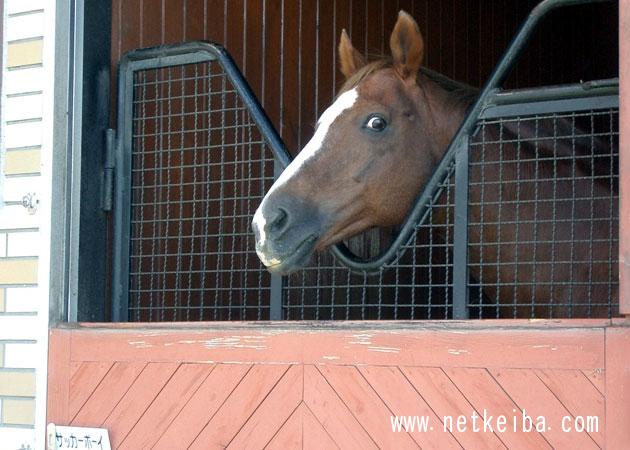
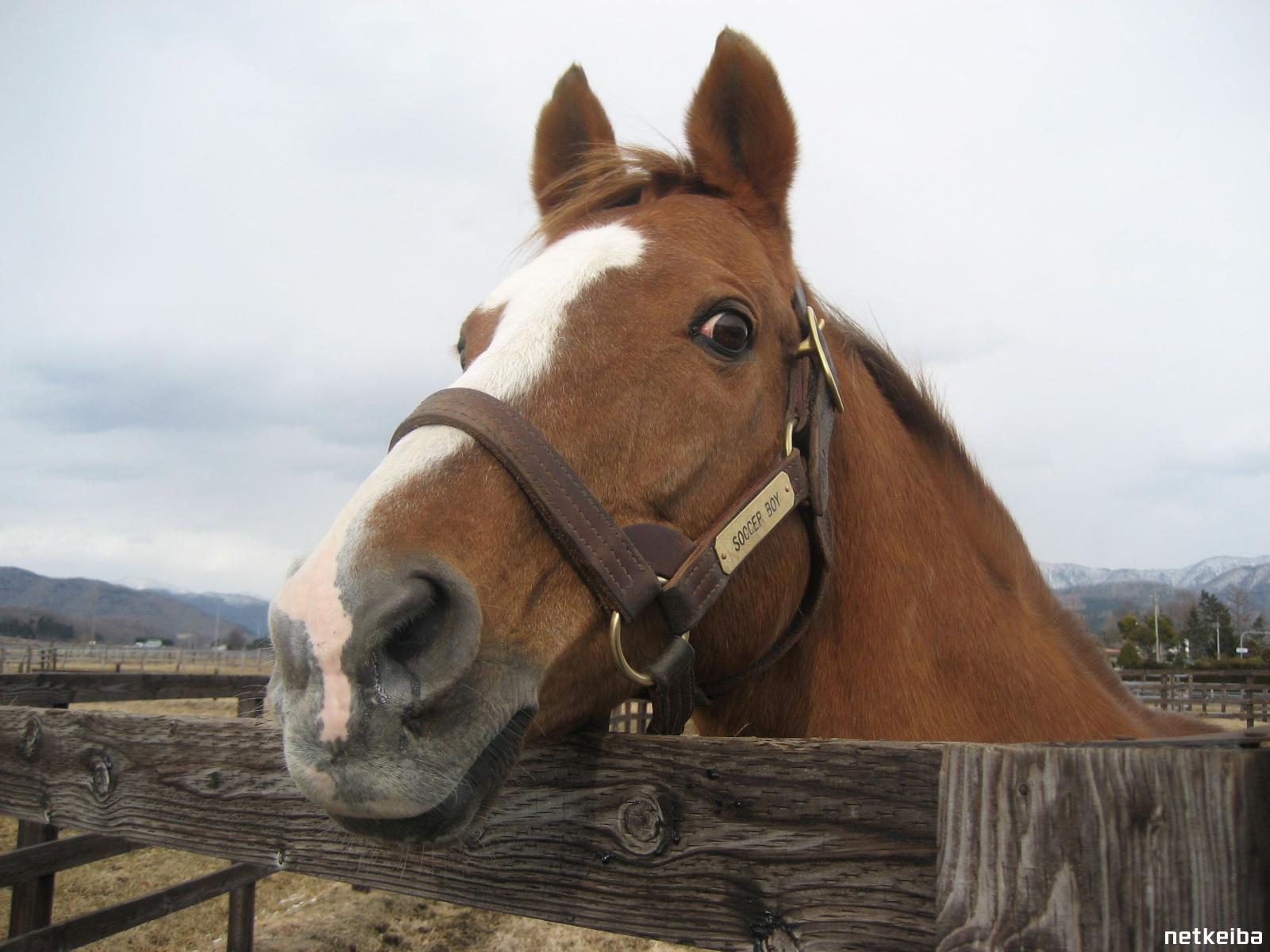
The real racehorse represented by Dicta Striker is Soccer Boy (サッカーボーイ), a dark chestnut Japanese stallion whose compact career made him one of the leading milers of the late 1980s. He won six of his 11 starts, including two Grade 1 races, and earned JRA championships at both two and three.
At a glance
Origins and pedigree
Soccer Boy was foaled on 28 April 1985 in Shiraoi, Hokkaido. Bred by Shiraoi Farm, he was by Dictus out of Dyna Sash, whose sire was Northern Taste.
His pedigree later provided part of the inspiration for the name Dicta Striker. The fictional name combines a reference to Dictus with “striker,” the attacking position in soccer, while retaining an indirect link to the registered name Soccer Boy.
Soccer Boy raced for Shadai Racehorse Co. Ltd. and was trained by Yukiharu Ono from the Ritto training base. These connections accompanied him throughout a short but highly productive racing career: from 11 starts, he recorded six victories and earned ¥219,932,000.
Career at a glance
- Foaled: 28 April 1985
- Colour and sex: Dark chestnut stallion
- Breeder: Shiraoi Farm
- Owner: Shadai Racehorse Co. Ltd.
- Trainer: Yukiharu Ono
- Racing base: Ritto
- Record: 11 starts, 6 wins
- Earnings: ¥219,932,000
- Principal Grade 1 wins: 1987 Hanshin 3-year-old Stakes; 1988 Mile Championship
- JRA honours: Best Two-Year-Old Colt in 1987; Best Sprinter or Miler in 1988
Racing career
A championship juvenile season
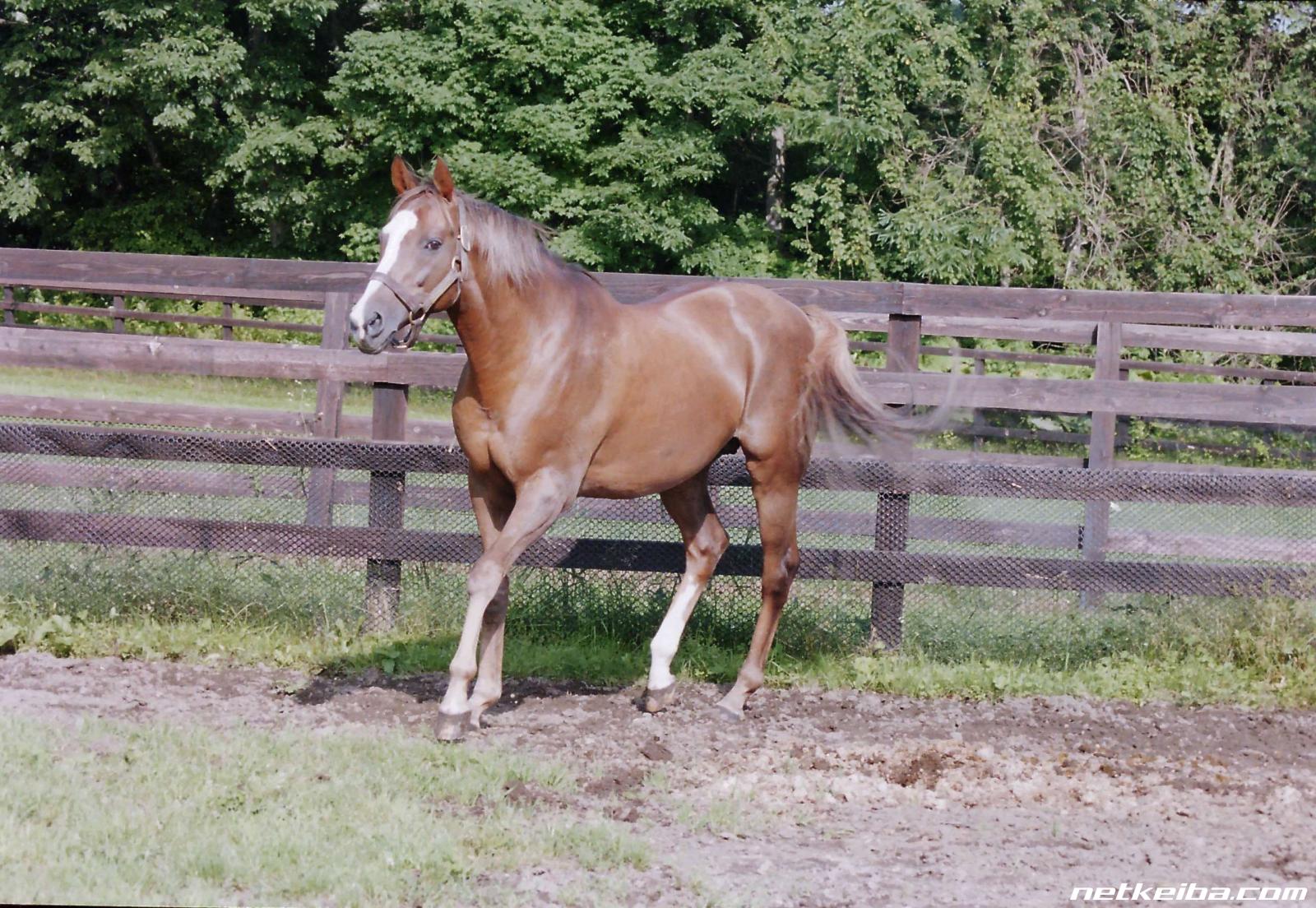
Soccer Boy established himself at the highest level in 1987 by winning the Hanshin 3-year-old Stakes, then classified as a Grade 1 contest. The victory was the defining result of his juvenile campaign and placed him among the foremost members of his generation.
That performance contributed to his recognition as the 1987 JRA Award for Best Two-Year-Old Colt. It was an important early distinction: before reaching his three-year-old season, Soccer Boy had already won at Grade 1 level and secured a national divisional championship.
The Hanshin success also introduced the central quality of his racing identity. Soccer Boy’s lasting reputation would be built around speed, particularly at approximately a mile, rather than around a long and heavily raced career. His juvenile championship was therefore not an isolated honour but the first stage of a concentrated two-season rise.
Progressing through the grades in 1988
As a three-year-old in 1988, Soccer Boy added the Chunichi Sports Sho 4-year-old Stakes, a Grade 3 race, to his record. The Japanese age designation then in use counted horses as a year old at birth, so the race’s contemporary “4-year-old” title corresponds to what is now described as a three-year-old campaign.
The Grade 3 victory showed that Soccer Boy had carried his juvenile ability into the following season. Rather than remaining defined solely by his early Grade 1 success, he continued accumulating major wins while developing into a specialist whose speed was best expressed over shorter middle distances and around a mile.
Another important step came in the 1988 Hakodate Kinen, also a Grade 3 event. Together, the Chunichi Sports Sho 4-year-old Stakes and Hakodate Kinen gave his three-year-old campaign substance beyond its eventual championship race. They demonstrated that his season was not built on a single peak performance: he was repeatedly capable of winning graded contests before returning to Grade 1 company.
Defining races
1987 Hanshin 3-year-old Stakes
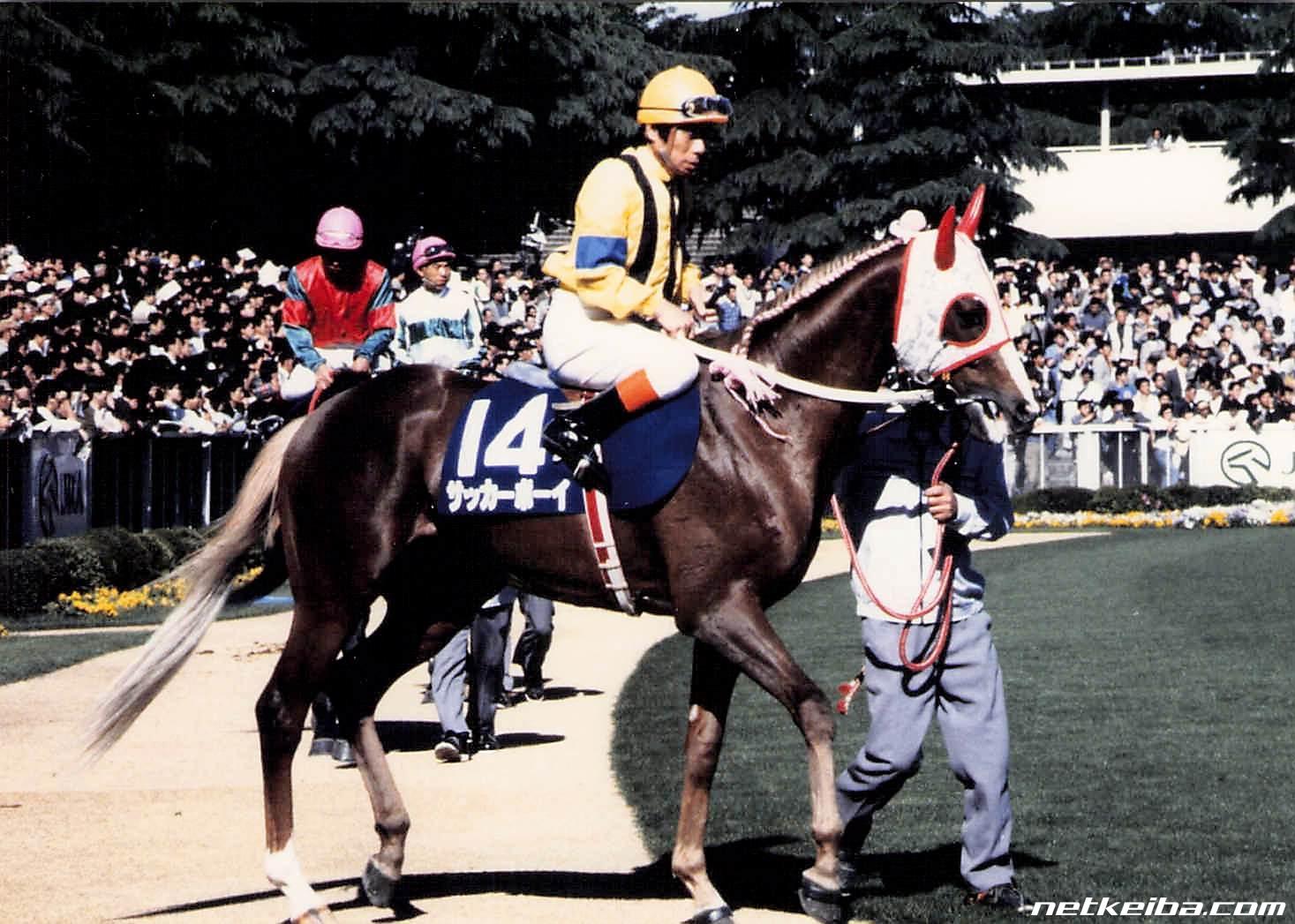
The Hanshin 3-year-old Stakes was the race that established Soccer Boy’s national standing. A Grade 1 victory as a juvenile gave him an immediate place among the best horses of his crop and supplied the foundation for his first JRA award.
Its importance also lies in what followed. Soccer Boy did not simply emerge early and disappear from the top level; he returned the next year to win another Grade 1 race in the division that came to define him. The Hanshin victory therefore marked the beginning of a coherent championship career rather than an isolated juvenile achievement.
1988 Hakodate Kinen
The Hakodate Kinen was one of Soccer Boy’s principal graded successes during his second season. Although the Mile Championship would become the clearest expression of his specialty, the Hakodate victory broadened the record behind that defining result.
Coming in the same year as his Chunichi Sports Sho 4-year-old Stakes success, it helped form the progression of his campaign: a juvenile Grade 1 winner continuing to defeat graded fields at three before reaching his season’s decisive mile contest.
1988 Mile Championship
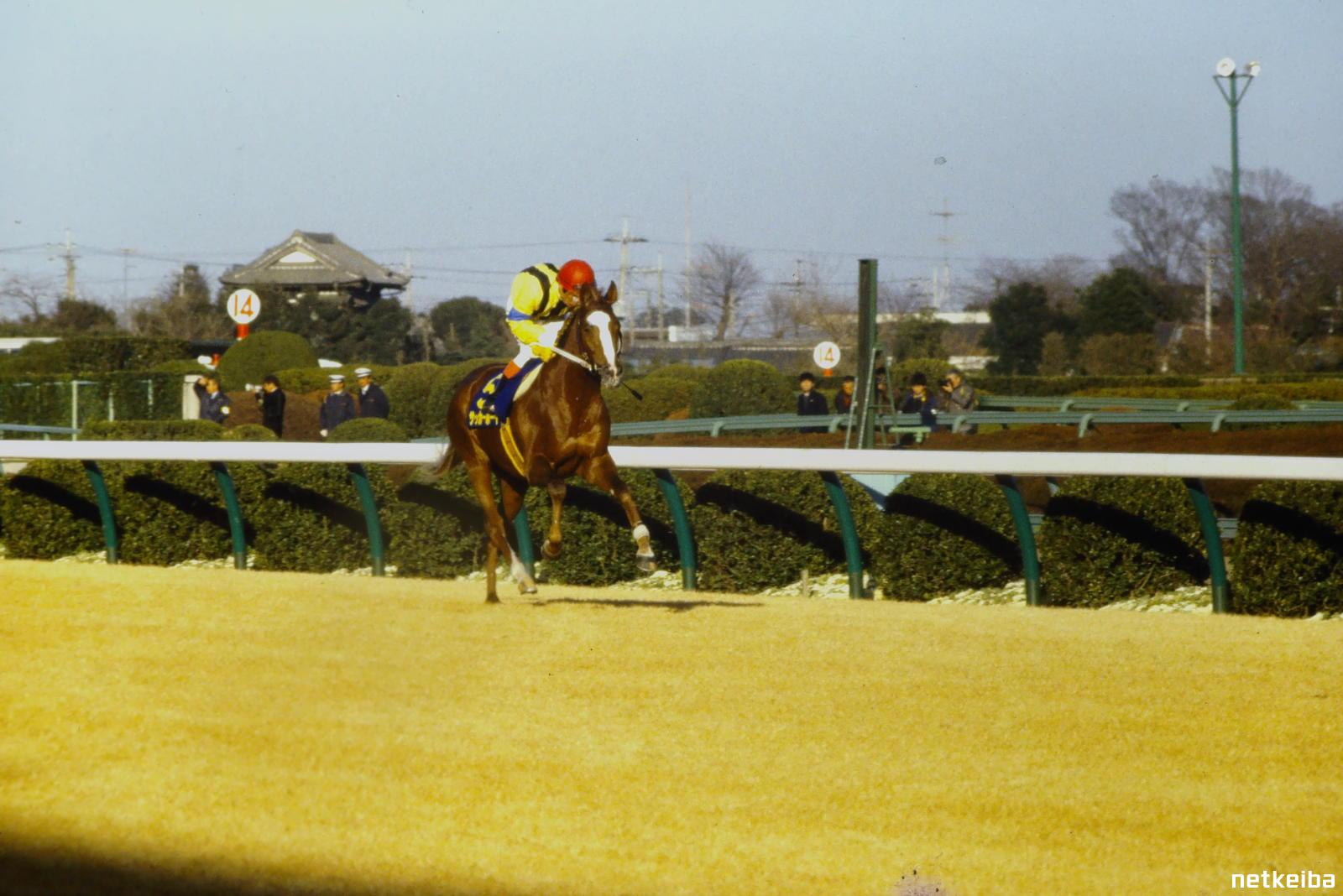
Soccer Boy’s victory in the 1988 Mile Championship was the culmination of his racing career and the result most closely associated with his identity as a top-class miler. It delivered his second Grade 1 success and confirmed that the promise of his championship juvenile season had developed into elite ability at a mile.
The race also completed a rare awards sequence across successive seasons. After being named the leading two-year-old colt of 1987, Soccer Boy received the 1988 JRA Award for Best Sprinter or Miler. His two championship titles reflected different stages of the same brief career: first as an outstanding juvenile, then as one of Japan’s leading speed horses.
The Mile Championship matters most because it gave precise shape to Soccer Boy’s legacy. His record included several major victories, but this Grade 1 success identified the distance category in which he was remembered. With six wins from only 11 appearances, his reputation rested on concentrated achievement rather than longevity.
Racing identity and significance
Soccer Boy’s principal results trace a clear development. He first reached Grade 1 level as a two-year-old, remained a major graded winner at three, and concluded that progression by winning one of Japan’s premier mile races. His ¥219,932,000 in earnings and six victories came from a notably small total of starts.
His honours reinforce that pattern. The 1987 juvenile award recognized his early superiority, while the 1988 sprinter-or-miler title recognized his mature racing specialty. Taken together, the awards distinguish him from a horse remembered for only one major afternoon: Soccer Boy was a divisional champion in consecutive years and at two different stages of his development.
Although his profile is most strongly associated with the mile, his career was not a long sequence of narrowly repetitive assignments. Victories in the Hanshin 3-year-old Stakes, Chunichi Sports Sho 4-year-old Stakes, Hakodate Kinen and Mile Championship gave him a graded record extending from his juvenile season through the principal successes of his three-year-old campaign.
Retirement and continuing legacy
Soccer Boy lived until 7 October 2011, reaching the age of 26. His standing in Japanese racing history rests on the economy of his record: 11 starts were enough to produce six wins, two Grade 1 victories and two consecutive JRA divisional honours.
A later form of recognition came through Umamusume: Pretty Derby. In that franchise, including Cinderella Gray, the character associated with Soccer Boy is called Dicta Striker rather than by the horse’s registered name. The altered name preserves two links to the real animal: “Dicta” evokes his sire Dictus, while “Striker” connects with the soccer theme in Soccer Boy’s own name.
That fictional identity has introduced the horse to audiences far removed from the JRA scene of the late 1980s. Behind Dicta Striker remains the record of Soccer Boy: a dark chestnut champion whose speed carried him from juvenile Grade 1 honours to victory in the Mile Championship, and whose six-win career left an impact disproportionate to its brevity.
More photographs
IRL image archive
1 more image
No track data
No race results recorded yet.
This profile does not have race history loaded into the archive yet.
Citations
Race Result Sources
AI Race Import 2026-07-10 12:32 UTC
Imported and enriched race results from supported racing sources.
- No official JBIS/netkeiba horse page could be found for this horse.